


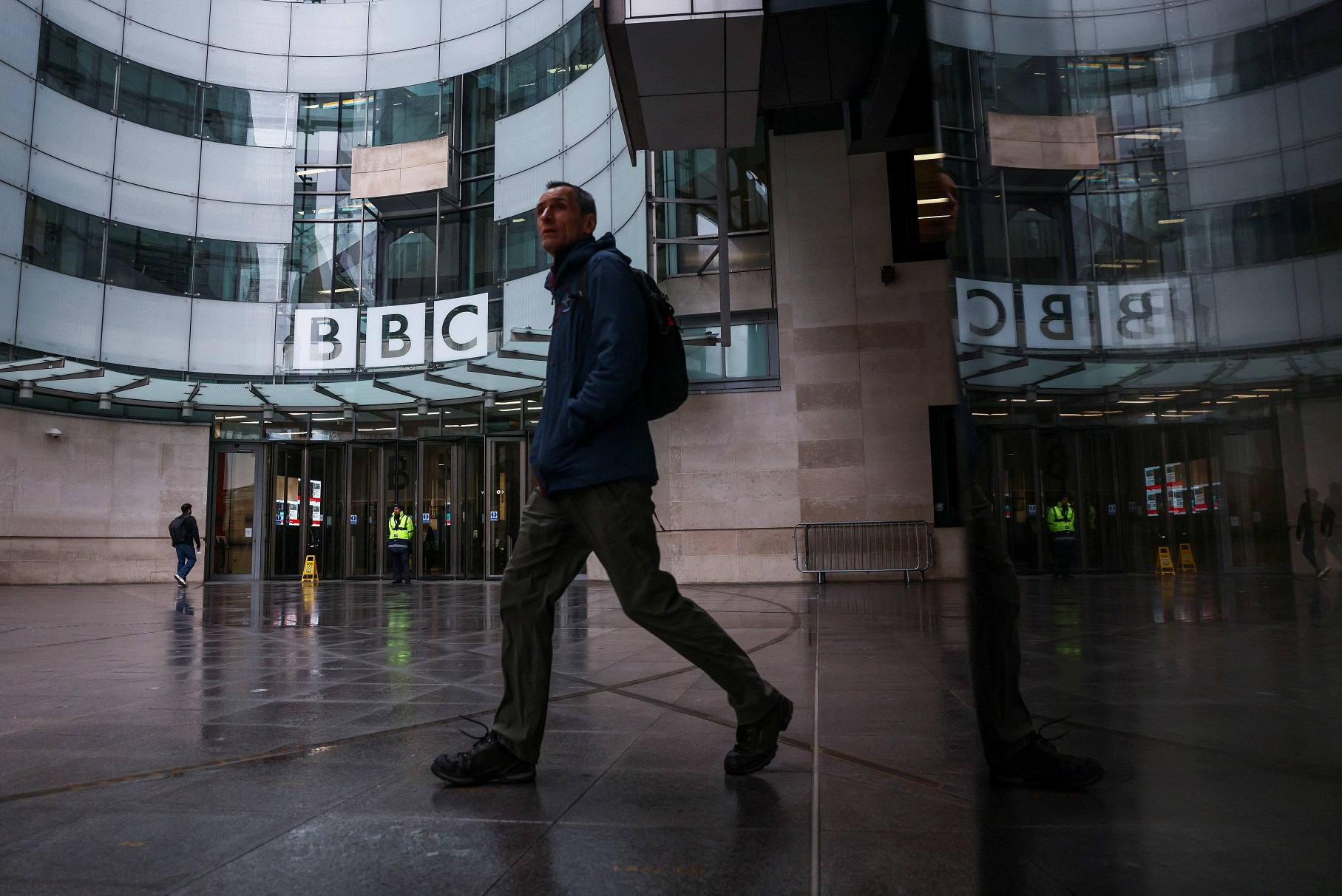
US President Donald Trump has threatened legal action against the BBC for its editing of a speech he made in 2021 on the day his supporters overran the Capitol, which the British broadcaster admitted on Monday was an "error of judgement".
In the letter sent on Sunday and seen by Reuters, the president's lawyers said the BBC must retract its documentary by Friday or face a lawsuit for "no less" than US$1 billion.
The letter also demanded that the BBC issue an apology and compensate Trump for what it said was "overwhelming reputational and financial harm".
The documentary, which aired on the BBC's flagship Panorama news programme, spliced together three video excerpts from Trump's speech, creating the impression he was inciting the January 6, 2021, riot.
His lawyers said this was "false and defamatory".
The BBC also left out parts of the speech in which Trump said he expected his supporters to march "peacefully and patriotically," the letter said.
The revelation about the speech and wider criticism of BBC News have plunged the broadcaster into crisis, resulting in the resignations of Director General Tim Davie and Chief Executive of News Deborah Turness on Sunday.
BBC Chair Samir Shah on Monday apologised for the editing of the footage, but he rejected claims of systemic bias in the broadcaster's reporting.
Shah said the BBC was considering how to respond to the legal threat. A BBC spokesperson said the broadcaster would "respond directly in due course".
The crisis was sparked by the leaking of an internal report that raised concerns about the BBC's coverage, including the edit of the Trump speech, which the BBC broadcast shortly before the November 2024 US presidential election.
A spokesman for Trump’s legal team said in a statement this was an attempt to influence the election.
“The BBC defamed President Trump by intentionally and deceitfully editing its documentary in order to try and interfere in the Presidential Election,” he said.
Shah said the BBC accepted that the way the speech was edited gave the impression of a direct call for violence.
"The BBC would like to apologise for that error of judgement," he said in a letter to lawmakers.
Trump's lawyers said the BBC violated Florida defamation law by deliberately omitting some facts and deceptively juxtaposing others to create a false impression of what Trump said.
Trump's home is in Florida, and citing Florida law suggested he would file a lawsuit there.
It is typically difficult for public figures like Trump to win defamation cases under US law because they must prove defendants knew or should have known information was false but published it anyway.
In England and Wales, a claimant must show a publication has caused, or is likely to cause, serious harm to their reputation. (Reuters)
_____________________________
Last updated: 2025-11-11 HKT 07:15
Trump threatens to sue BBC over speech edit
2025-11-10 HKT 22:42
Share this story


