


The US Department of Homeland Security is replacing its longstanding lottery system for H-1B work visas with a new approach that prioritises skilled, higher-paid foreign workers.
The announcement by the department on Tuesday came as a federal judge rejected a challenge by the largest US business lobby group to President Donald Trump's US$100,000 fee on new H-1B visas for highly skilled foreign workers, saying it fell under his broad powers to regulate immigration.
District Judge Beryl Howell in Washington, DC, rejected arguments by the US Chamber of Commerce that the fee conflicted with federal immigration law and would lead many companies, hospitals and other employers to cut jobs and the services they provide to the public.
"The parties’ vigorous debate over the ultimate wisdom of this political judgment is not within the province of the courts," wrote Howell, who was appointed by Barack Obama when he was the president in 2010. "So long as the actions dictated by the policy decision and articulated in the proclamation [made by Trump in announcing the US$100,000 levy] fit within the confines of the law, the proclamation must be upheld.
The Department of Homeland Security change follows a series of actions by the Trump administration aimed at reshaping a visa programme that critics say has become a pipeline for overseas workers willing to work for lower pay but whose supporters say drives innovation.
“The existing random selection process of H-1B registrations was exploited and abused by US employers who were primarily seeking to import foreign workers at lower wages than they would pay American workers,” said US Citizenship and Immigration Services spokesman Matthew Tragesser.
A press release announcing the new rule says it is “in line with other key changes the administration has made, such as the presidential proclamation that requires employers to pay an additional US$100,000 per visa as a condition of eligibility.”
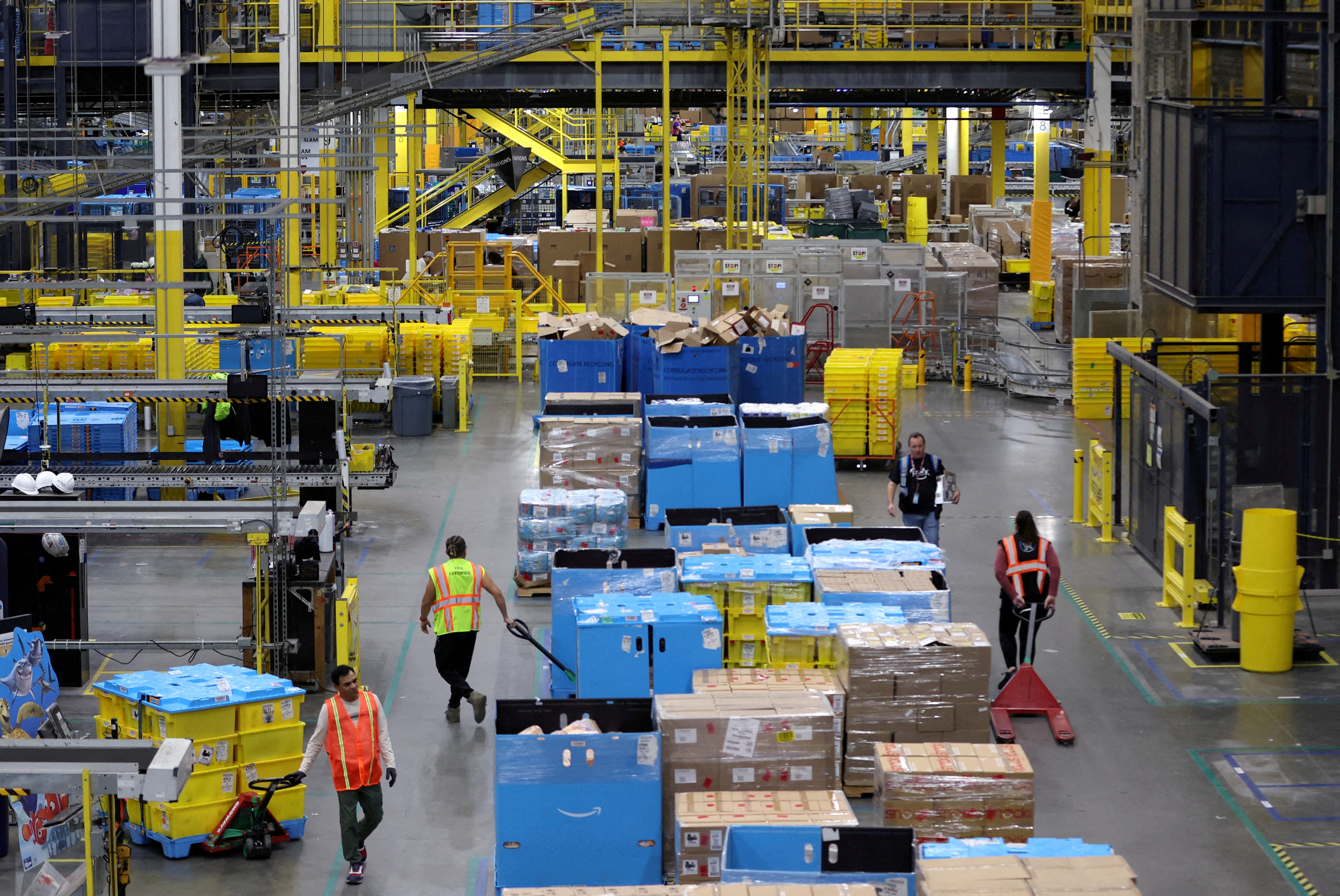
Historically, H-1B visas have been awarded through a lottery system. This year, Amazon was by far the top recipient, with more than 10,000 visas approved, followed by Tata Consultancy Services, Microsoft, Apple and Google. California has the highest concentration of H-1B workers.
The new system will “implement a weighted selection process that will increase the probability that H-1B visas are allocated to higher-skilled and higher-paid” foreign workers, according to the department. It will go into effect on February 27, 2026, and will apply to the upcoming H-1B cap registration season.
Supporters of the H-1B programme say it is an important pathway to hiring healthcare workers and educators. They say it drives innovation and economic growth in the country and allows employers to fill jobs in specialised fields.
Critics argue that the visas often go to entry-level positions rather than senior roles requiring specialised skills. While the programme is intended to prevent wage suppression or the displacement of US workers, critics say companies can pay lower wages by classifying jobs at the lowest skill levels, even when the workers hired have more experience.
The number of new visas issued annually is capped at 65,000, plus an additional 20,000 for people with a master’s degree or higher. (AP/Reuters)
US replaces H-1B visas with system based on pay levels
2025-12-24 HKT 15:01
Share this story


