


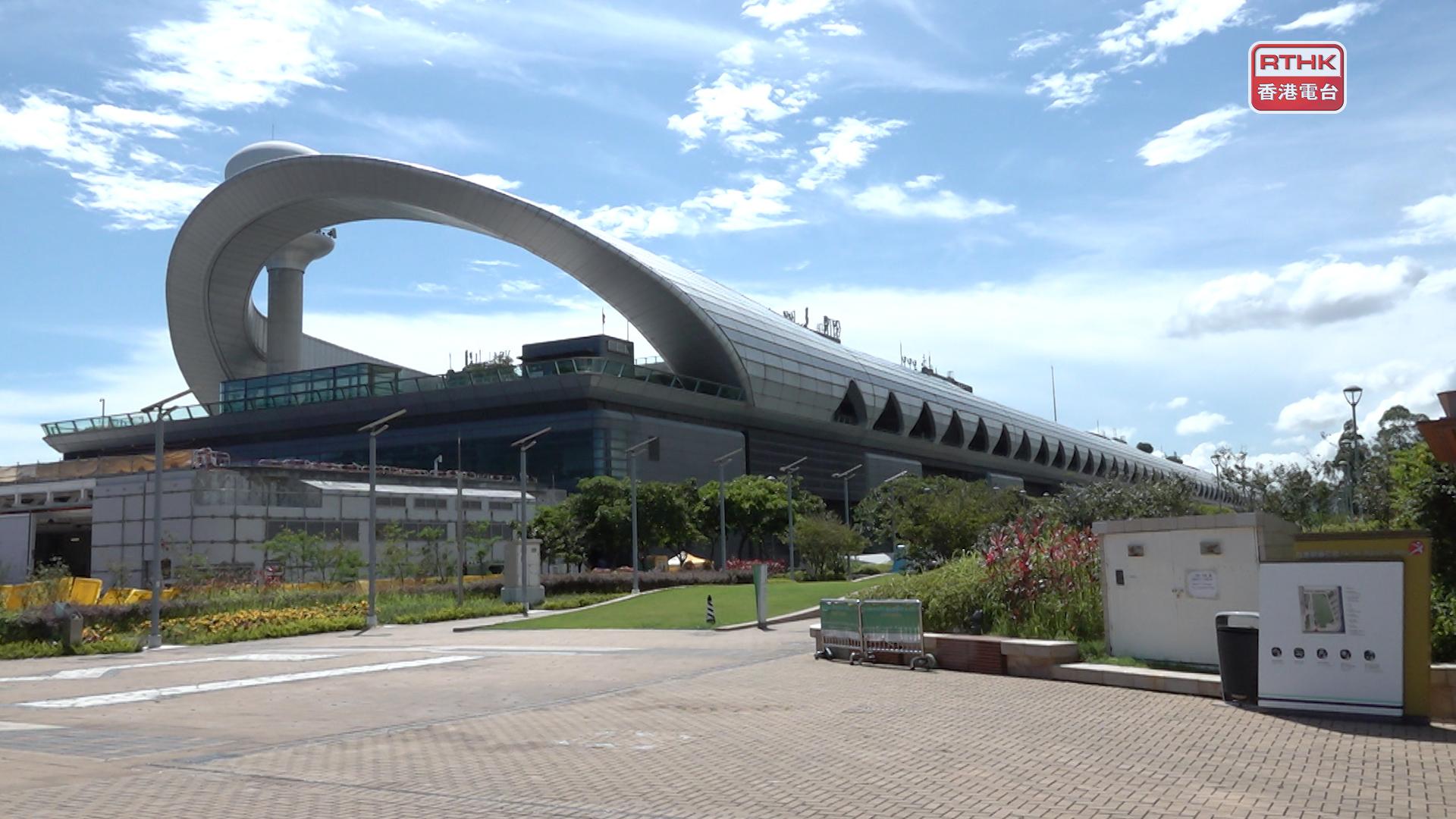
The future operator and manager of Kai Tak Cruise Terminal will have to comply with four new key performance indicators (KPIs) announced by the government at the launch of an open tender exercise on Wednesday.
Bids will be welcome until May 22, 2026, a little more than two years before the contract of the current operator expires.
The indicators are the number of annual ship calls, the number of annual non-cruise-related events and visitors brought by them, as well as the occupancy rate of nearby commercial areas.
The winning bidder would operate the terminal for a decade, possibly 15 years if it performed well.
But officials said the performance indicators would not be effective immediately.
"Taking into account that the terminal operator requires time to adjust and adapt to the terminal operation, the provisions regarding compensation to the government arising from the operator's failure to meet the targets will take effect from the third year of the tenancy agreement," the government said in a statement.
It said these new requirements are aimed at strengthening performance monitoring of the future operator, which will also have to manage public spaces at the terminal, including the rooftop park and the podium gardens on the second floor.
Fourteen submissions have been received from various groups expressing interest regarding how the space could be better used.
Tenders will be assessed by way of a "two-envelope approach".
"A weighting of 70 percent will be allocated to the assessment of the non-price proposal and 30 percent to the price proposal," the government said.
"The non-price proposal includes the aforementioned KPIs as well as the execution plan for the operation and management of the [terminal]."
Two prerequisites have been set for tender applicants to be eligible for selection.
Firms will only be considered if they have managed a cruise terminal facility for three straight years within the past decade from May next year and have experience in handling the berthing of cruise ships with a gross tonnage of 160,000 or above.
Four benchmarks set for next cruise terminal operator
2025-12-24 HKT 17:16
Share this story


