


Shanghai's stock benchmark edged up on Monday, marking its longest winning streak in more than a year, buoyed by a stronger yuan and fresh government commitments to boost domestic consumption.
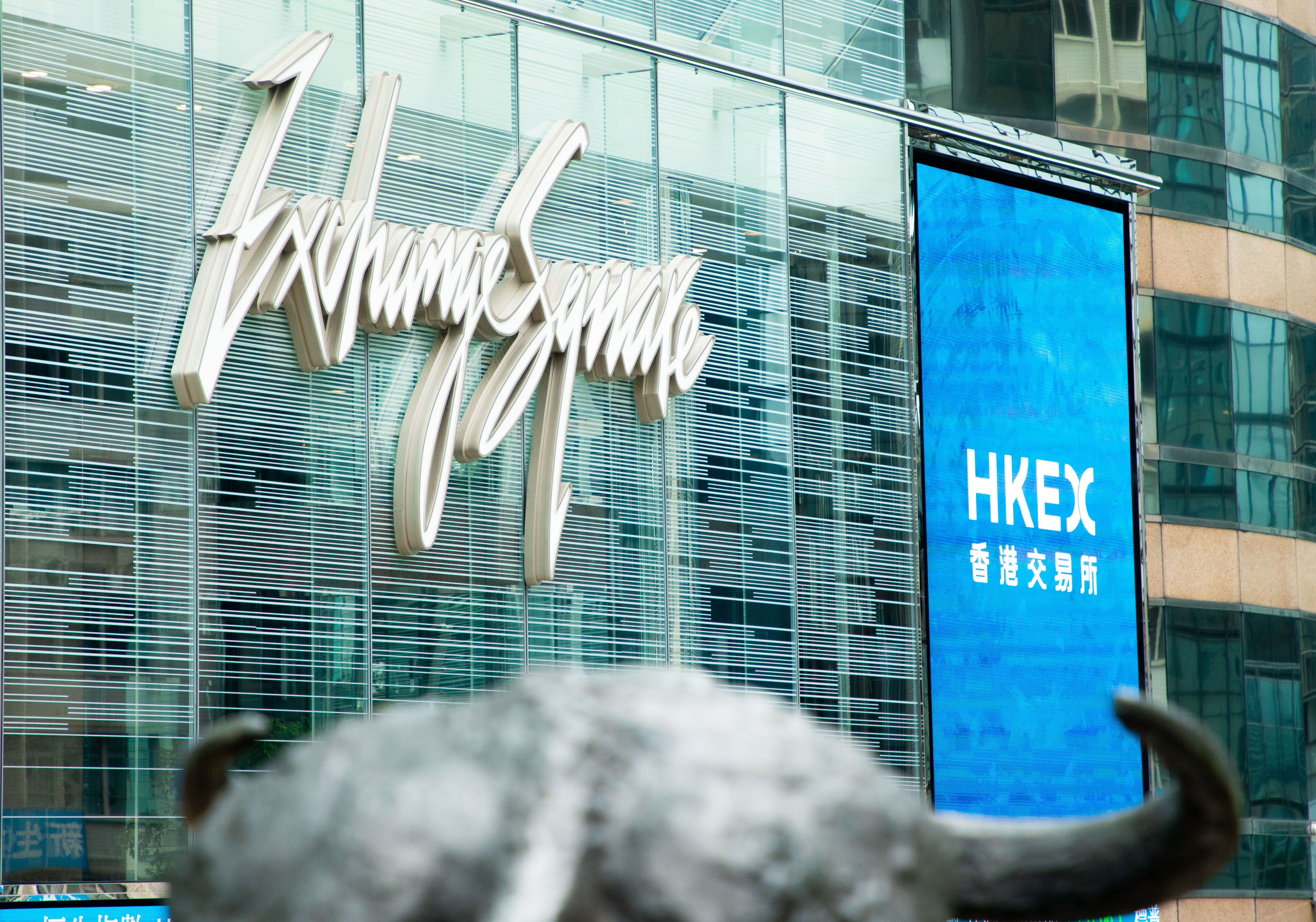
In Hong Kong, the benchmark Hang Seng Index closed down 183 points, or 0.71 percent, at 25,635 while the tech index was down 16 points, or 0.3 percent, at 5,483, pulling back from a two-week high, and the China Enterprises Index was 23 points, 0.26 percent, lower at 8,891.
The benchmark Shanghai Composite Index crept up 1.6 points, or 0.04 percent, to 3,965 while the Shenzhen Component Index was 66 points, or 0.49 percent, lower at 13,537 and the ChiNext Index, tracking China's Nasdaq-style board of growth enterprises, lost 21 points, 0.66 percent, to close at 3,222.
The Shanghai benchmark has now climbed for nine straight sessions, its longest winning streak since a 10-day winning run in September 2024.
The combined turnover of the main Shanghai and Shenzhen indexes was 2.14 trillion yuan, down from 2.16 trillion yuan on Friday.
Stocks related to aircraft manufacturing and textile machinery led gains while the power and chemical sectors posted notable declines.
The blue-chip CSI300 index reversed earlier gains and closed 17 points, or 0.4 percent, lower, snapping a six-day winning streak.
The Finance Ministry in Beijing said on Sunday that fiscal policy would be "more proactive" next year, reiterating its focus on domestic consumption, technological innovation and the social safety net.
"As favourable policy signals strengthen and the renminbi continues to appreciate, stock markets are gaining upward momentum," analysts at Nanhua Futures said, adding that bulls might be more eager to jump in and that market sentiment remained upbeat.
However, with major indexes trading near the year's highs, technical resistance pressure is building up; failure to break through could lead to another round of flat trading, they added.
The defence sector added 1.1 percent to near a three-year high, leading market gains on Monday.
The energy sector jumped 1.2 percent and the banking index added one percent.
Weighing on the markets were the new energy vehicle index and the new energy sector, which dropped 1.9 percent and 1.7 percent, respectively.
China's passenger car association head said demand for Chinese lithium batteries would likely slump in early 2026 due to an expected tumble in domestic electric vehicle sales and slowing battery exports. (Reuters/Xinhua)
HK stocks end lower amid mainland policy signals
2025-12-29 HKT 17:46
Share this story


