


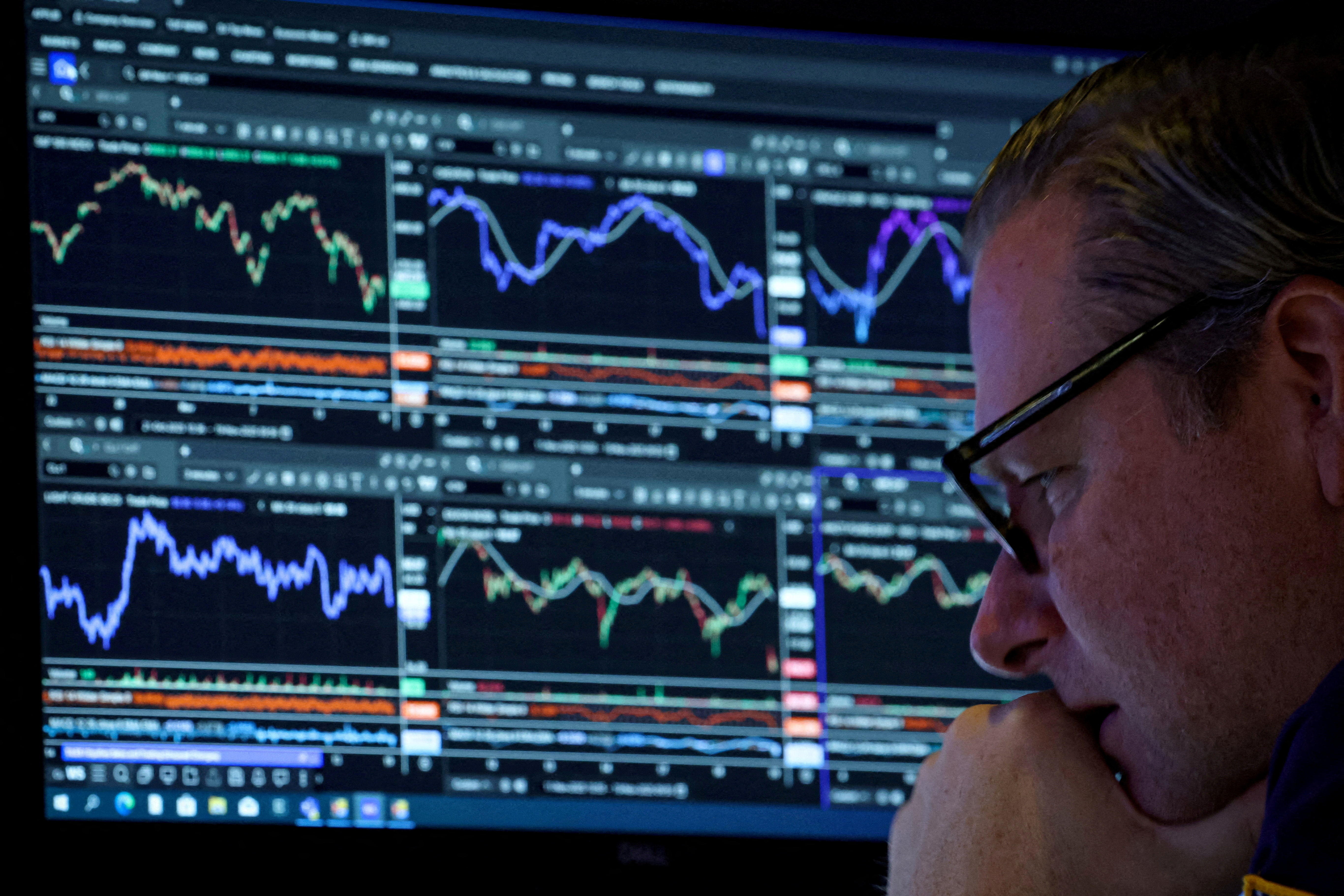
Wall Street ended higher on Monday, with surging financial shares helping lift the Dow Jones Industrial Average to an all-time peak, while energy firms jumped after a US military strike captured Venezuelan President Nicolas Maduro.
US President Donald Trump's administration plans to meet with executives from American oil companies this week to discuss boosting Venezuelan production.
The S&P 500 energy index rose 2.7 percent to its highest since March 2025, with heavyweights Exxon Mobil and Chevron both surging.
Weapons manufacturers also advanced after Washington's military action. Lockheed Martin and General Dynamics climbed, while the S&P 500 aerospace and defence index rose to a record high.
"Energy stocks are really benefiting from the expectation that President Trump is intending to send them in to do more investment in Venezuela and ultimately make more money for themselves," said Rob Haworth, senior investment strategist at US Bank Wealth Management in Seattle.
"The lack of permanent boots on the ground, the fact that we're not permanently engaged, means the broader equity markets are able to set aside what might have been fears of a prolonged engagement," Haworth said.
Tesla climbed 3.1 percent after seven straight sessions of losses. Nvidia dipped 0.4 percent and Apple declined 1.4 percent.
The S&P 500 climbed 0.6 percent to end the session at 6,902 points. The Nasdaq gained 0.7 percent to 23,395 points, while the Dow rose 1.2 percent to 48,977 points.
Volume on US exchanges was heavy, with 19.1 billion shares traded, far exceeding the average of 15.9 billion shares over the previous 20 sessions.
The S&P 500 financials index jumped 2.2 percent as investors looked to upcoming quarterly reports. Analysts on average see S&P 500 financial companies growing their earnings 6.7 percent year-over-year in the December quarter.
Goldman Sachs and JPMorgan Chase rose more than 3 percent and hit record highs. "The mood has been favouring financial stocks in recent days and as people look beyond tech, this is a sector many are choosing to look toward," said Steve Sosnick, chief market analyst at Interactive Brokers. (Reuters)
Dow hits record, energy stocks end higher
2026-01-06 HKT 07:34
Share this story


