


Hong Kong must harness digital innovation to revitalise its crucial trade finance sector, an economist said on Wednesday, adding that the city’s traditional financing models are failing to keep pace with a fast-fragmenting global trade landscape.
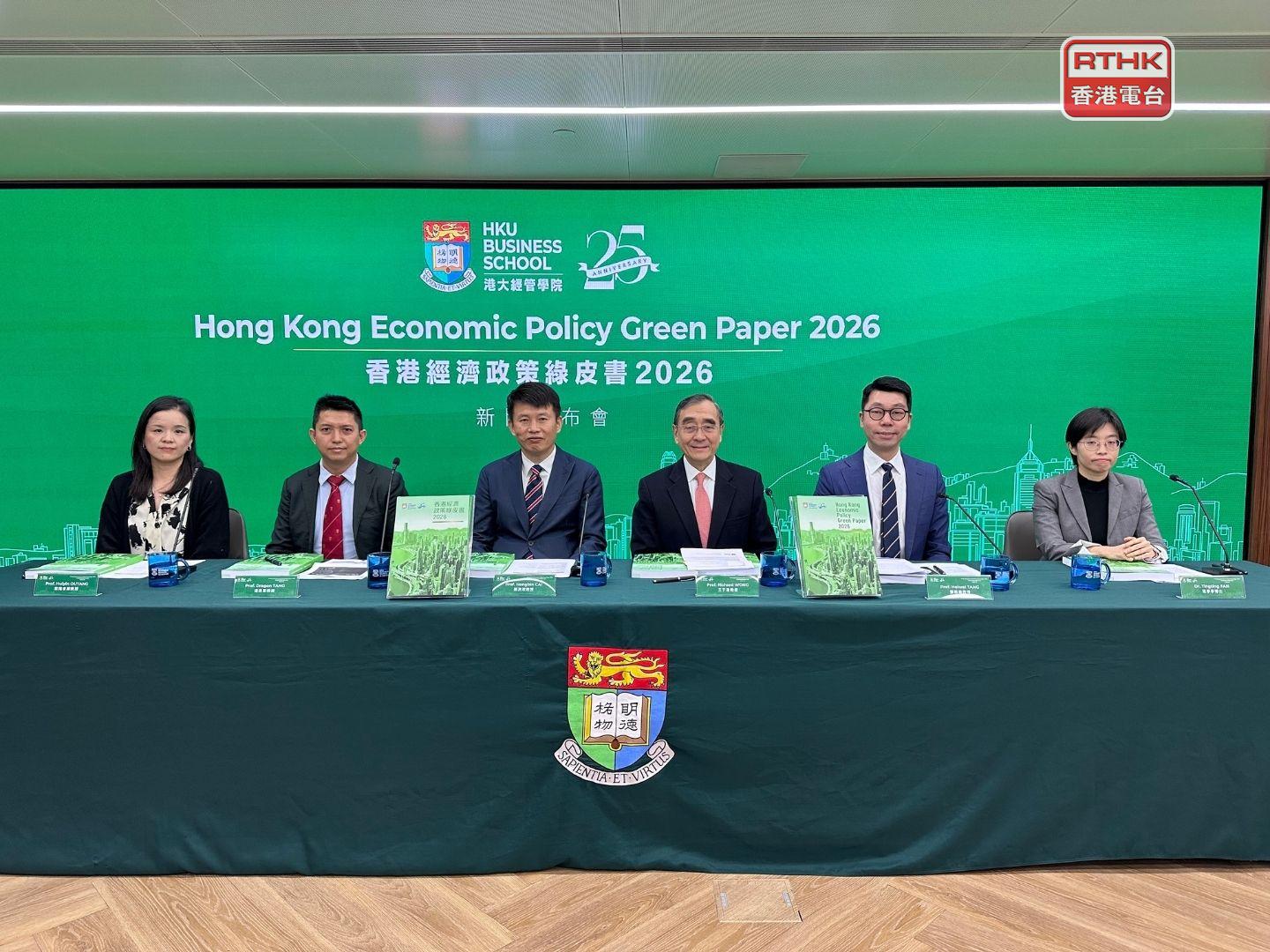
The call to action came with the release of the “Hong Kong Economic Policy Green Paper 2026” by HKU Business School, which examines challenges and opportunities across the city’s economy.
Associate Dean Heiwai Tang emphasised that trade is the city’s “essential lifeline” - with total merchandise trade valued at three times its HK$3.2 trillion GDP in 2024 - making the health of trade finance critical.
However, he noted that loans for trade finance have been declining just as global trade undergoes profound transformation.
Geopolitical shifts and technological change are diverting flows away from traditional large markets toward smaller, more diverse economies in Southeast Asia and Latin America, he said, while consumer goods trade is now driven by smaller, more frequent orders with shorter cycles.
"There is this bias against small companies and small transactions because usually insurers or bankers would consider small activities to be more risky as compared to large volume trade," Tang said.
"But I think with new technologies such as blockchain, as well as, new supply chain platform technologies, those small packages, small transactions can be more systematically evaluated to assess their risk level."
He added that digitisation is key to upgrading Hong Kong’s trade finance services.
Financial institutions must streamline approvals and create flexible products for e-commerce and logistics-driven cash cycles, he said.
Tang urged authorities to unify core digital trade functions and accelerate interoperability of trade data platforms with the mainland and other economies to enable seamless data exchange.
"I think this comes with more risks, but also more opportunities, especially for insurance companies, platform economies, as well as companies that have provided services to consolidate supply chain restructuring," he said.
Shifting to the city’s innovation ecosystem, Tang acknowledged positive developments in the startup landscape, including growing numbers and stronger collaboration within the Greater Bay Area.
The next challenge, he said, is scaling these startups into sustainable, commercial businesses.
To achieve that, he called for a stronger financial ecosystem with more venture capital, private equity, and angel investment.
“There should be more risk-taking capital attracted to Hong Kong,” Tang urged, welcoming recent government initiatives to draw international funds.
The ultimate goal, he added, is to nurture future unicorns and viable public listings, cementing Hong Kong’s role as a premier financier of innovation.
'HK urged to innovate trade finance amid changes'
2026-01-14 HKT 15:57
Share this story


