


Asian stocks were mostly down on Tuesday, while the dollar remained under pressure and US Treasury yields climbed to their highest level in more than four months, as a resurgence of trade-war concerns hit risk sentiment and sparked selling in US assets.
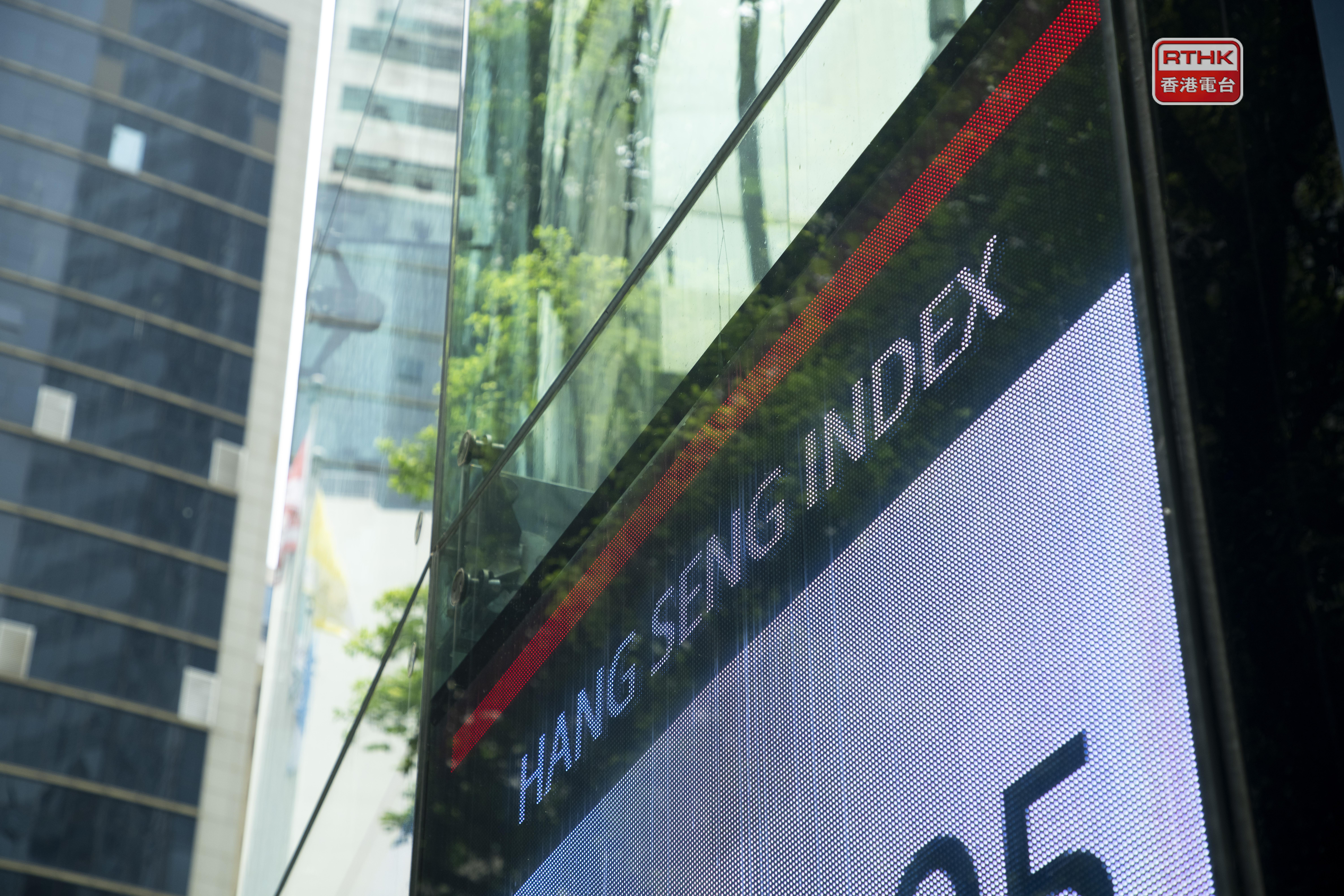
In Hong Kong, the Hang Seng Index was down 19 points, or 0.07 percent, at 26,544. The China enterprises index was 15 points, or 0.2 percent, lower at 9,119 while the tech index was 12 points, or 0.2 percent, down at 5,737.
On the mainland, the Shanghai Composite Index was up 0.06 percent at 4,116 while the Shenzhen Component Index was 0.09 percent higher at 14,307. The ChiNext Index, tracking China's Nasdaq-style board of growth enterprises, was up 0.09 percent to open at 3,340.
The Star Composite Index, which reflects the performance of stocks on China's sci-tech innovation board, opened 0.13 percent higher at 1,853 while the Star 50 Index, which tracks the largest stocks listed on the board that also meet certain liquidity requirements, opened 0.1 percent up at 1,508.
US President Donald Trump's push to take control of Greenland by threatening additional tariffs – a move that risks fuelling trade tensions with Europe – has led to uncertainty in the markets with investors scurrying for safe-haven assets, including the Swiss Franc and gold.
The tensions have revived talk of the "Sell America" trade that emerged in the aftermath of his sweeping "Liberation Day" levies in April, when investors sold US stocks, dollar and Treasuries. That trade appeared to be gathering momentum in Asian hours on Tuesday.
Nasdaq and S&P 500 futures slid 1 percent in early trade, while the dollar remained vulnerable and the yield on 10-year US Treasury note rose to 4.265 percent, its highest level since early September.
MSCI's broadest index of Asia-Pacific shares outside Japan was 0.44 percent lower, inching further away from record highs it hit last week.
MUFG's Europe economist Henry Cook said last year had "taught us not to overreact to Trump's threats", noting European policymakers would look to pursue dialogue and negotiation first in the hope of at least buying some more time.
Trump's threats triggered a sharp pushback in Europe and his remarks have raised questions on the outlook of trade deals struck since then with Europe.
"Even if there is de-escalation this episode will still cause many to doubt the credibility of any deal with Trump and so tariff uncertainty will remain elevated," Cook said.
Citi has downgraded European equities as strategists feared the latest step-up in tensions and tariff uncertainty could dent the near-term investment prospects, and cast doubt on broad-based earnings inflection in 2026.
European futures were 0.12 percent lower, pointing to another mellow opening later in the day.
All eyes will now be on Davos where Trump is expected to meet global business leaders on Wednesday, sources said, as the US president's presence looms large over the annual gathering of the global elite in Switzerland.
Japan's Nikkei fell 0.8 percent and the yen last bought 157.92 per dollar as investors looked ahead to next month's election with Prime Minister Sanae Takaichi seeking voter backing for increased spending, tax cuts and a new security strategy that is expected to accelerate a defence build-up.
A sale of long-term Japanese government bonds (JGBs) on Tuesday will provide an early test by the markets of Takaichi's election campaign pledge to cut taxes.
In commodities, gold was little changed at US$4,670 per ounce, just shy of the record high touched on Monday. (Reuters/Xinhua)
HK stocks down as trade war fears dampen sentiment
2026-01-20 HKT 10:43
Share this story


