


Experts on Sunday said there are multiple ways to observe children and identify tell-tale signs of potential abuse.
The remarks came as the Mandatory Reporting of Child Abuse Ordinance came into effect last week, requiring people working in 25 professional categories to report suspected serious maltreatment cases.
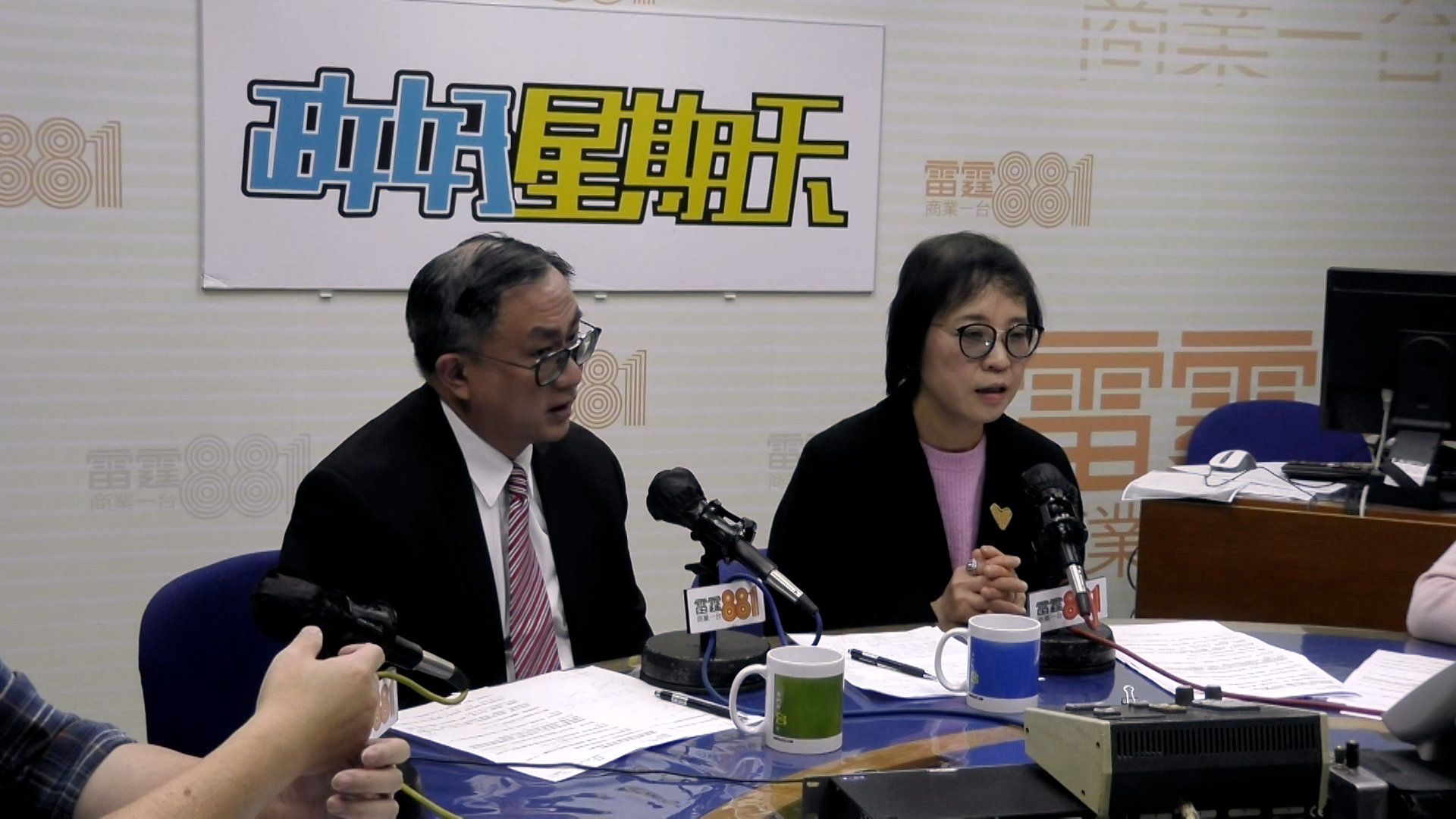
Speaking on a radio programme, Mike Kwan from the University of Hong Kong’s Department of Paediatrics and Adolescent Medicine said doctors will pay special attention to suspicious scars, knife wounds, bruises and injuries on children’s bodies.
They will also look out for injuries to their eyes, ears and nose.
"It is our responsibility to protect children at all times,” Kwan said, adding that it is also important for people to identify subtle changes in children's emotions and the way they communicate with their caregivers.
Speaking on the same programme, Anne Cheng, chairperson of the Hospital Authority’s Medical Coordinators on Child Abuse, agreed that there are different signs that could suggest a child had been poorly treated.
"We will pay attention to the child's physical condition, behaviour or caregiver's behaviour. Sometimes there are situations that don't match with what the caregiver or parent has described," Cheng explained.
Watch out for signs of child abuse: experts
2026-01-25 HKT 21:29
Share this story


