


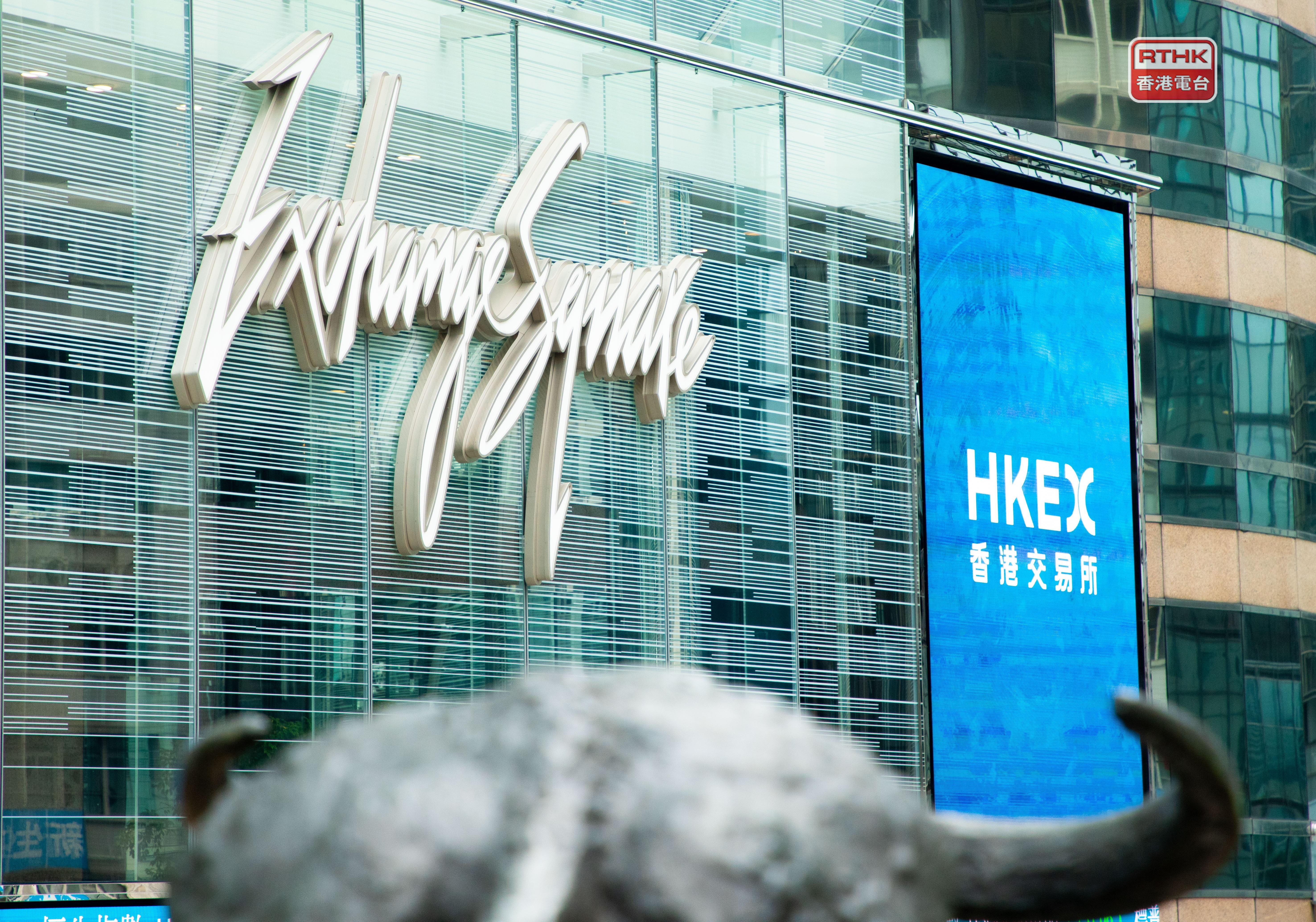
Asian shares and US futures skidded on Monday as worries over American President Donald Trump’s nominee to be the next Federal Reserve chair amplified jitters over a possible bubble in the artificial intelligence boom.
In Hong Kong, the benchmark Hang Seng Index ended the day down 611 points, or 2.23 percent, at 26,775. The China enterprises index was down 236 points, or 2.54 percent, at 9,080 while the tech index was down 191 points, or 3.36 percent, at 5,526.
On the mainland, the benchmark Shanghai Composite Index ended down 102 points, or 2.48 percent lower, at 4,015, while the Shenzhen Component Index was down 381 points, or 2.69 percent lower at 13,824. The ChiNext Index, tracking the nation's Nasdaq-style board of growth enterprises, was 82 points, or 2.46 percent, down at 3,264.
South Korea’s exchange, heavily influenced by tech-related developments, briefly suspended trading on its benchmark Kospi index, which closed 274 points, or 5.26 percent, lower at 4,949. Samsung Electronics gave up 6.3 percent while chipmaker SK Hynix sank 8.7 percent.
The Kospi has been forging records for weeks as big tech companies piggybacked on the AI craze with deals with major players like chipmaker Nvidia and OpenAI.
Japan's Nikkei share average slumped the most in a week as a drop in technology and resource stocks outweighed early gains driven by a weaker yen.
The benchmark Nikkei 225 Index ended 667 points, or 1.25 percent, down at 52,655 while the broader Topix slid 30 points, or 0.85 percent, to 3,536.
Investors are considering how Kevin Warsh, Trump’s nominee to lead the Federal Reserve after Fed chair Jerome Powell's term ends in May, might handle interest rates.
Wall Street futures fell around one percent.
Warsh’s nomination requires Senate approval. But financial markets fear the Fed may lose some of its independence because of Trump, who has pushed hard for more and faster rate cuts. That fear has helped catapult skyward the price of gold and weaken the US dollar’s value over the last year.
“People do not get handed the keys to the most powerful central bank on earth because they plan to drive in the opposite direction of the people who gave them the keys,” Stephen Innes of SPI Asset Management said in a commentary. (AP/Xinhua)
HK, Asian stocks in retreat as Trump moves feed fears
2026-02-02 HKT 17:18
Share this story


