



Accountancy body CPA Australia said on Monday it expected Hong Kong to see a fiscal deficit of HK$900 million this financial year.
It said that while a buoyant stock market had been boosting revenue, the government had committed large amounts of capital expenditure on projects like the Northern Metropolis.
It forecast reserves to dip to HK$653 billion through the end of March – a level it considers to be healthy.
Ahead of the financial secretary's budget proposals later this month, the group proposed that one way for the government to further increase revenue was to offer tax deductions for companies seeking to list in the Hong Kong bourse, which would generate more market activities and stamp-duty income.
Another is to group strategic enterprises, such as those in life sciences, artificial intelligence and fintech, under a special tax system to attract them to set up shop in the Northern Metropolis.
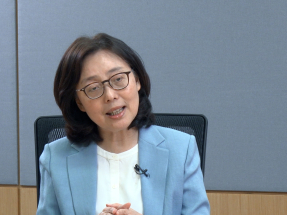
"We recommend offering a preferential profits tax rate as low as 5 percent," said Karina Wong, CPA Australia Greater China's taxation committee deputy chairwoman.
"At the same time, the government may consider exempting stamp duties on property leases for commercial and industrial developments in the metropolis for defined periods, say 10 years."
Wong proposed keeping the 100 percent salaries tax rebate for this fiscal year for individual taxpayers, capped at HK$6,000, along with other concessions.
"We suggest the introduction of a tax deduction of up to HK$60,000 for working families who employ domestic helpers for caring for children and the elderly.
"And we propose the introduction of a tax deduction of up to HK$2,000 for sports-related expenses to encourage taxpayers to focus on physical health and wellness."
For small to medium enterprises (SMEs), the group proposes doubling the tax concession cap under the two-tier profits tax regime at the concessional 8.25 percent rate from HK$2 million to HK$4 million of assessable profits.
It also said the SME Financing Guarantee Scheme, which is due to end in March, should be extended by another two years to give firms more breathing room.
CPA Australia puts SAR budget deficit at HK$900m
2026-02-02 HKT 18:58
Share this story


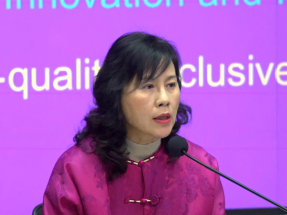
Karina Wong speaks to Damon Pang


2026-04-29 HKT 14:47
2026-04-22 HKT 15:59
2026-04-14 HKT 21:39
2026-03-08 HKT 12:28
2026-03-01 HKT 13:41
2026-03-01 HKT 13:30
2026-03-01 HKT 13:24
2026-02-28 HKT 15:30
2026-02-28 HKT 13:51
2026-02-28 HKT 12:40

2026-02-27 HKT 19:13
2026-02-27 HKT 16:45
2026-02-27 HKT 16:26
2026-02-27 HKT 16:01

2026-02-27 HKT 12:56

2026-02-27 HKT 12:19
