


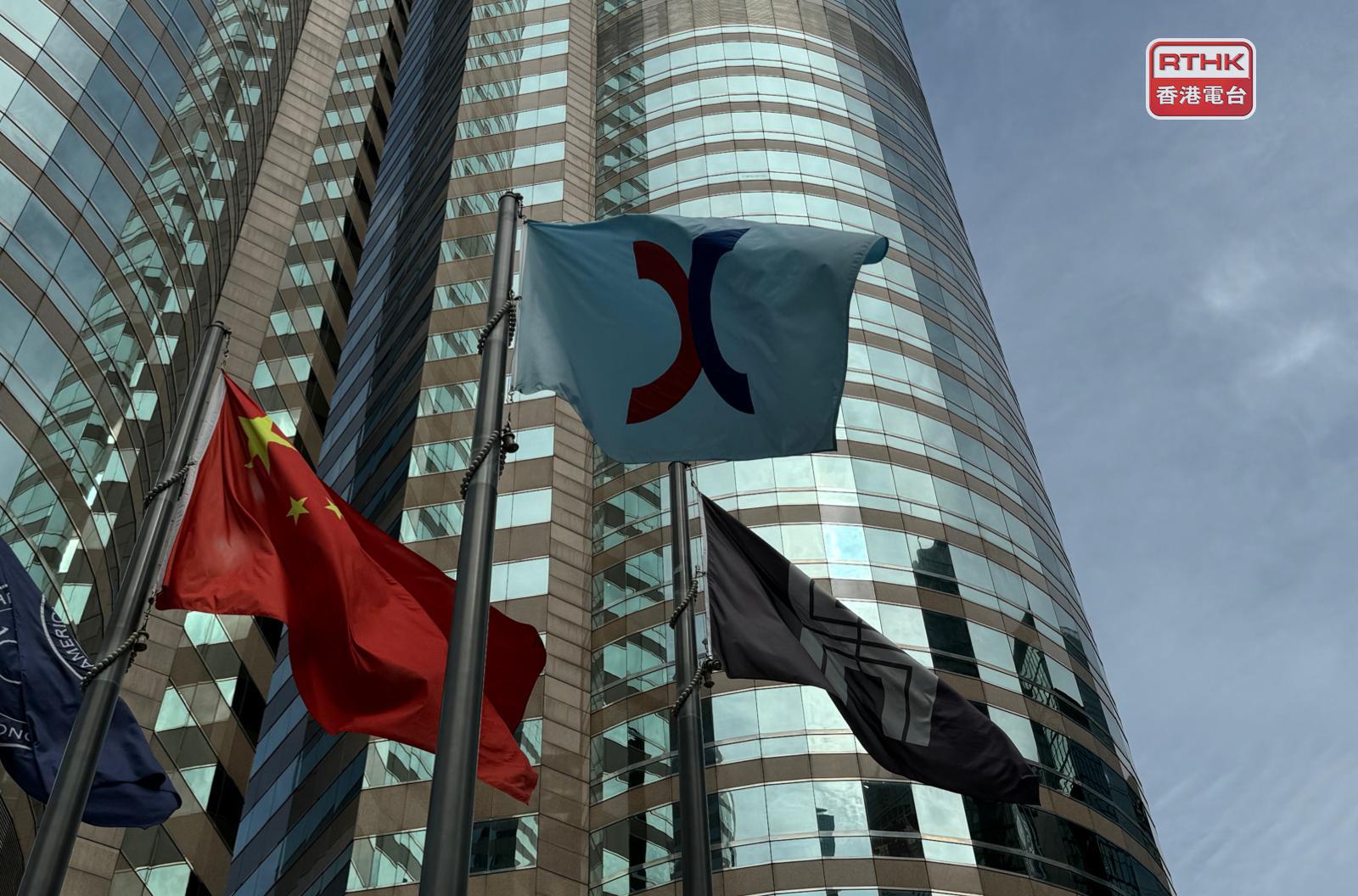
Mainland stocks fell in thin trading on Friday ahead of a week-long holiday while Hong Kong shares sank following a tech-led selloff on Wall Street.
The benchmark Hang Seng Index ended trading down 465 points, or 1.72 percent, at 26,567, a one-week low.
The China enterprises index was down 142 points, or 1.55 percent, at 9,032 while the tech index was lower by 46 points, or 0.9 percent, at 5,360.
Sentiment in Hong Kong was spoiled after major American stock indexes fell sharply on Thursday as technology shares slid and investors were cautious ahead of US inflation data later on Friday.
Material stocks tumbled as gold and silver prices slumped again.
The benchmark Shanghai Composite Index up north ended down almost 52 points, or 1.26 percent, at 4,082.
The same China's blue-chip CSI300 Index also fell prey to a similar percentage loss.
The Shenzhen Component Index was 182 points, or 1.28 percent, lower at 14,100 while the ChiNext Index, tracking China's Nasdaq-style board of growth enterprises, lost 52 points, or 1.57 percent, to close at 3,275.
Many have left trading rooms for the nine-day Chinese New Year festival kicking off on February 15.
Mainland markets will be shut next week, while Hong Kong will be closed from Tuesday to Thursday.
Trading typically thins ahead of the Spring Festival holiday, but China's stock market has held "at a relatively high level" without pulling back, Topsperity Securities said in a report, concluding that a strengthening yuan is lending support.
The yuan is set for its longest weekly winning streak in 13 years, aided by a weak US dollar and resilient Chinese exports.
China's consumer-related stocks rose as investors bet they would likely benefit from holiday spending.
Chipmakers also gained as investors expect more Chinese breakthroughs in artificial intelligence.
The mainland market was also anchored by signs of improvement in Sino-US relations after the Trump administration shelved several key tech security measures aimed at Beijing ahead of an April meeting between the two countries' presidents. (Reuters/Xinhua)
Hang Seng Index retreats as holiday mood thins trades
2026-02-13 HKT 17:01
Share this story


