


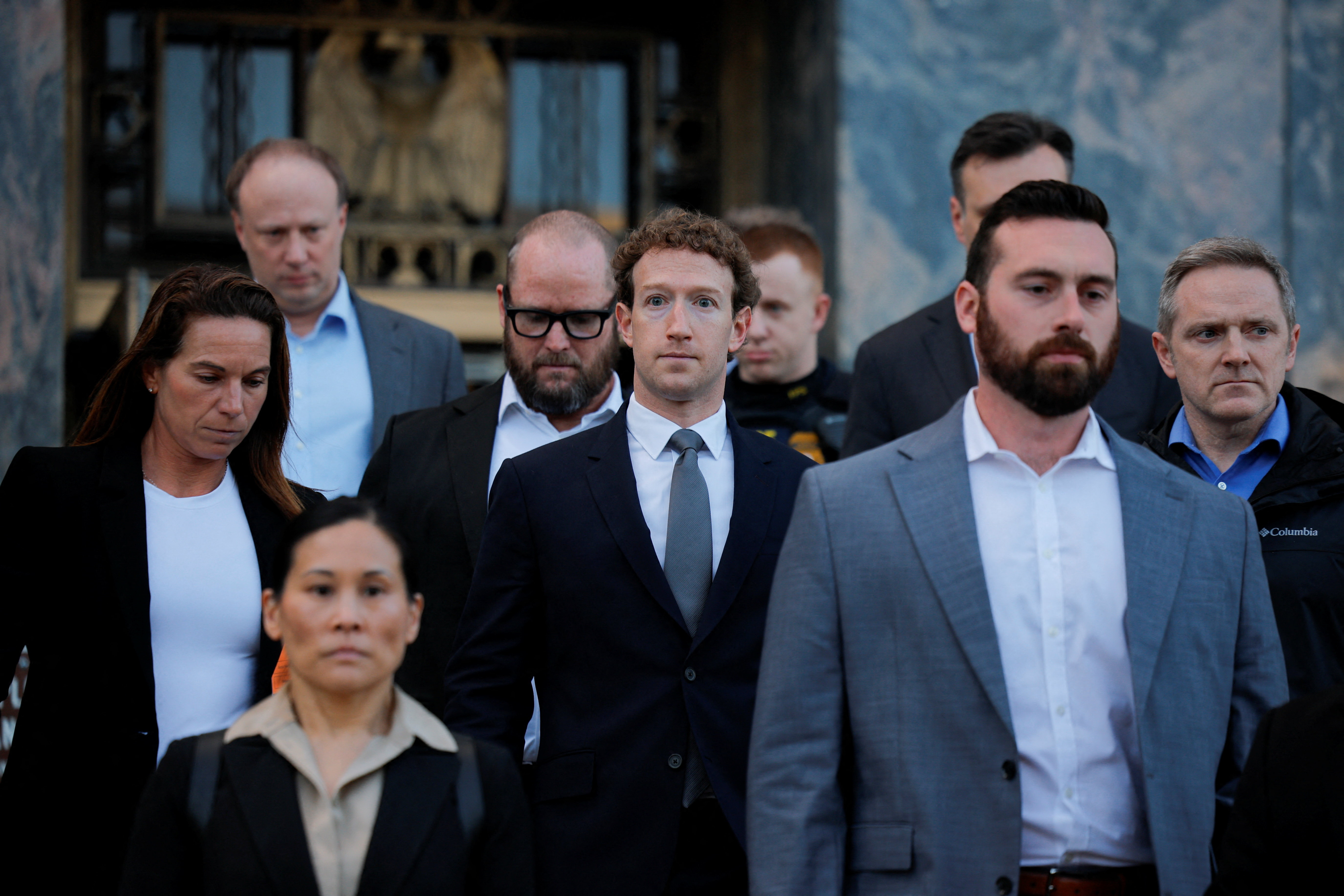
Mark Zuckerberg and opposing lawyers dueled on Wednesday in a Los Angeles courtroom, where the Meta chief answered questions about young people’s use of Instagram, his congressional testimony and internal advice he’s received about being “authentic” and not “robotic”.
His testimony is part of an unprecedented social media trial that questions whether Meta's platforms, such as Instagram, deliberately addict and harm children. During questioning by the plaintiff's lawyer, Zuckerberg said he still agrees with a previous statement he made that the existing body of scientific work has not proven that social media causes mental health harms.
Mark Lanier, an attorney for the plaintiff, now a 20-year-old woman identified by the initials KGM, claims her early use of social media addicted her to the technology and exacerbated depression and suicidal thoughts. Meta Platforms and Google’s YouTube are the two remaining defendants in the case, which TikTok and Snap have settled.
Lanier questioned Zuckerberg extensively about a comment he made during a past congressional hearing, where he said Instagram employees are not given goals to increase amount of time people spent on the platform.
He presented internal documents that seemed to contradict that statement. Zuckerberg replied that they previously had goals associated with time, but said he and the company made the conscious decision to move away from those goals, focusing instead on utility. He said he believes in the “basic assumption” that “if something is valuable, people will use it more because it’s useful to them”.
Lanier also asked Zuckerberg about what he characterised as extensive media training, including for testimonies like the one he was giving in court. Lanier pointed to an internal document about feedback on Zuckerberg's tone of voice on his own social media, imploring him to come off as “authentic, direct, human, insightful and real,” and instructing him to “not try hard, fake, robotic, corporate or cheesy” in his communication.
Zuckerberg pushed back against the idea that he’s been coached on how to respond to questions or present himself, saying those offering the advice were “just giving feedback”.
Regarding his media appearances and public speaking, Zuckerberg said, “I think I’m actually well known to be sort of bad at this.”
Lanier spent a considerable stretch of his time with Zuckerberg asking about the company’s age verification policies.
Zuckerberg stressed his belief that Apple and Google, the companies behind operating systems powering most of the world's smartphones, should arrange for age verification at the handset level instead of leaving it to each app.
"Doing it at the level of the phone is just a lot clearer than having every single app out there have to do this separately," he said. "It would be pretty easy for them."
As was the case with head of Instagram Adam Mosseri’s testimony last week, Zuckerberg was grilled about policies relating to cosmetic beauty filters on Instagram. Zuckerberg said he didn’t believe there was enough evidence pointing to harm the filters could cause and said he has a “high bar” for blocking tools or features that would limit people’s expression. Lanier pointed to external experts Meta hired to assess the filters and their potential impacts, saying that all 18 of them raised concerns.
Children's advocates slammed Zuckerberg's testimony as disingenuous.
“All Mark Zuckerberg accomplished with his testimony today was to prove yet again that he cannot be trusted, especially when it comes to kids’ safety," said Josh Golin, executive director of Fairplay. “Under oath, Meta’s CEO testified that his company does not have an objective to increase users’ time spent on Instagram. But we know Zuckerberg and his fellow executives prevented Instagram from getting rid of features like visible like counts and plastic surgery filters – features that are by their very nature addictive.”
The case, along with two others, has been selected as a bellwether trial, meaning its outcome could impact how thousands of similar lawsuits against social media companies are likely to play out.
Meta is also facing a separate trial in New Mexico that began last week. (AP/AFP)
Edited by Cecil Wong
Zuckerberg grilled in court in social media trial
2026-02-19 HKT 10:49
Share this story


