


Asia's financial markets were higher on Wednesday with South Korean chipmakers leading gains as investors doubled down on what they saw as the safest bet on artificial intelligence and the yen remained in focus.
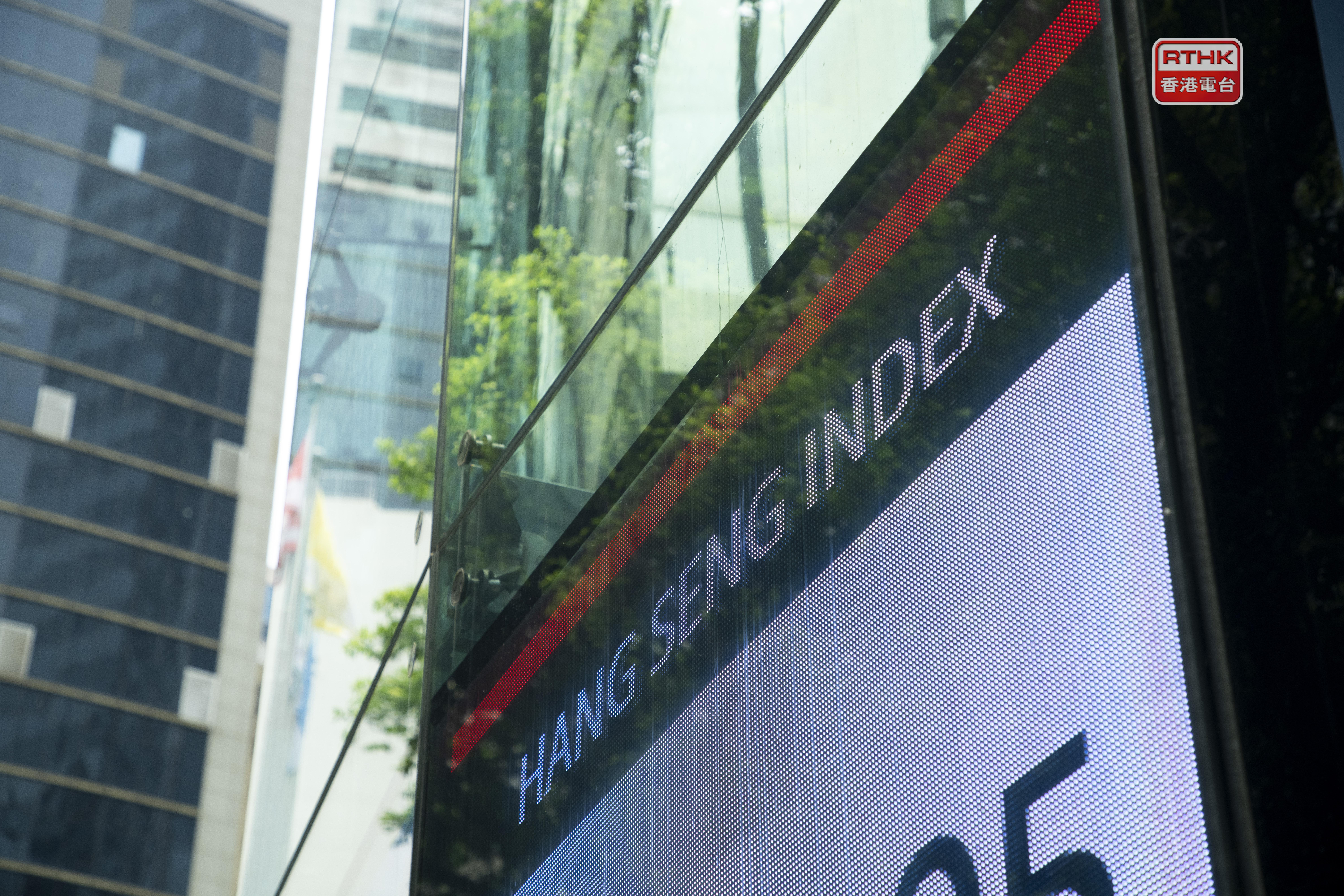
In Hong Kong, the benchmark Hang Seng Index opened 154 points, or 0.58 percent, up at 26,745.
The China enterprises index was 61 points, or 0.7 percent, higher at 9,069 while the tech index was 45 points, or 0.9 percent, higher at 5,316.
On the mainland, the benchmark Shanghai Composite Index opened up just over six points, or 0.15 percent, at 4,123.
The Shenzhen Component Index was just over 30 points, or 0.21 percent, higher at 14,322.
The ChiNext Index, tracking China's Nasdaq-style board of growth enterprises, was up 0.15 percent at 3,313.
Investors rocked by volatility in recent months were also awaiting US President Donald Trump's State of the Union speech on Tuesday in Washington. Market participants are bracing for comments that could touch on policies from trade to affordability to Iran.
MSCI's broadest index of Asia-Pacific shares outside Japan was 1 percent higher in early trading.
Japan's Nikkei set a record high. It was up 1.1 percent at 57,956 in early trade after touching an intraday peak of 58,047. The broader Topix edged up 0.07 percent to 3,818.
In Seoul, the Kospi was nearly 1.7 percent higher to trade above 6,000 for the first time. The index is up 44 percent so far this year.
A global memory chip shortage has seen Samsung Electronics and SK Hynix stock prices double since October, as cash has surged up the AI supply chain to the enormously popular chipmakers. Leading global chipmaker Nvidia Corp reports its fourth-quarter results after the US market close on Wednesday.
Australia's S&P/ASX200 was up as much as 1.1 percent to a record high despite higher consumer prices in January that increased the risk of more interest rate hikes.
The yen strengthened 0.12 percent against the greenback to 155 per dollar on Wednesday, after dropping by 0.8 percent on Tuesday.
A news report said Japanese Prime Minister Sanae Takaichi had conveyed her reservations about further interest rate hikes to Bank of Japan governor Kazuo Ueda, raising doubts over the next rate increase. (Reuters & Xinhua)
Edited by Edmond Fong
HK stocks open up as regional chipmakers lead gains
2026-02-25 HKT 10:33
Share this story


