


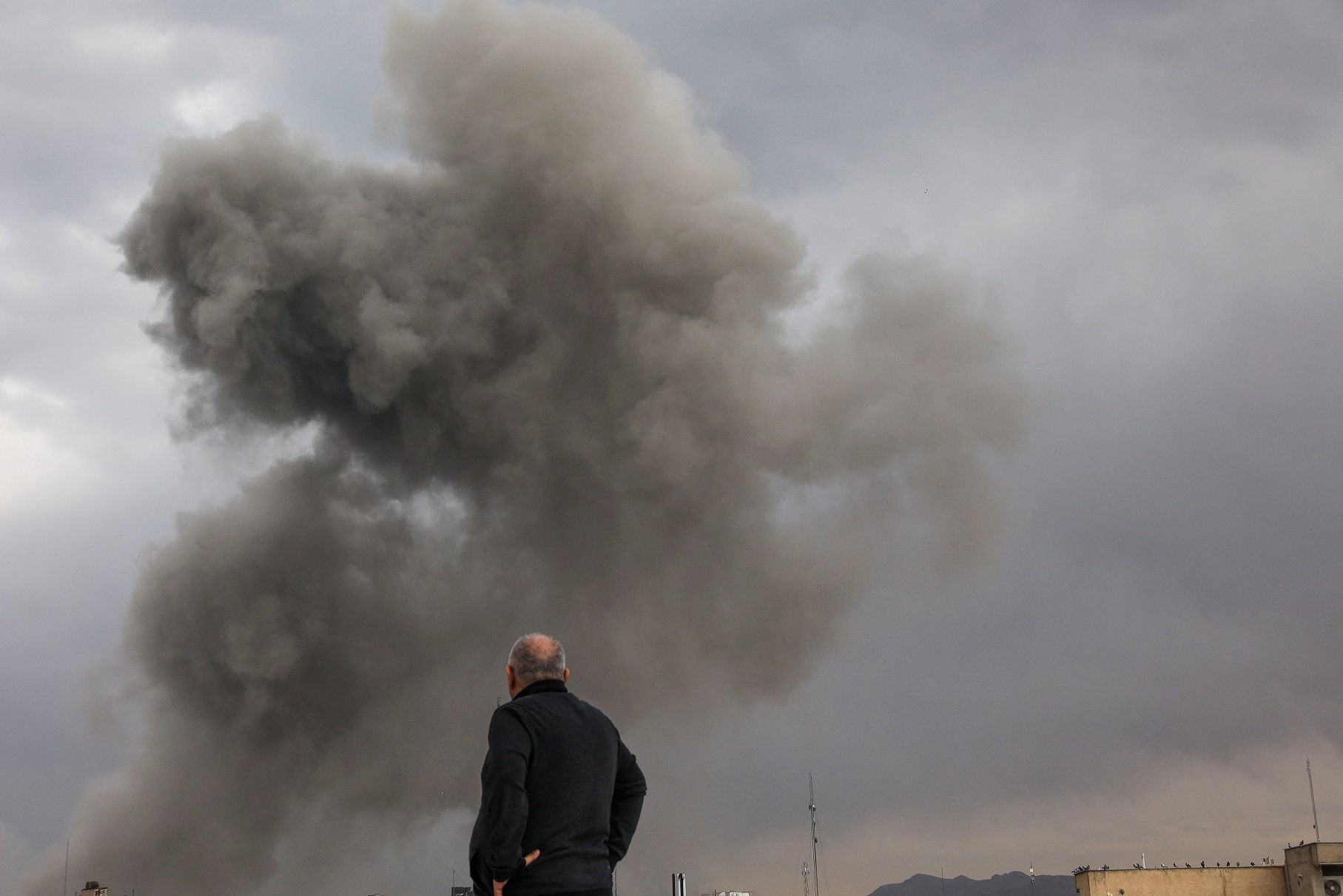
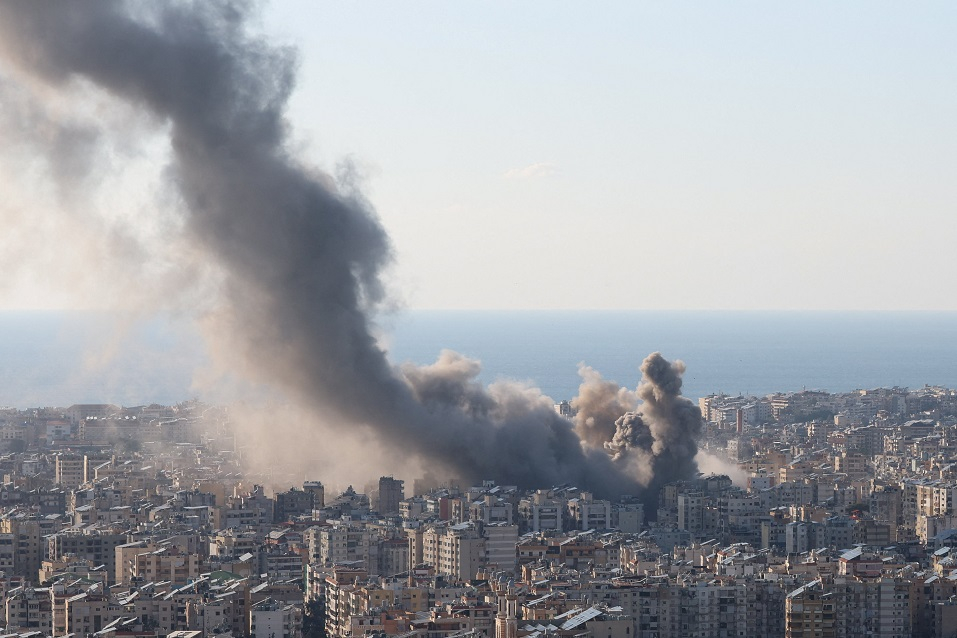
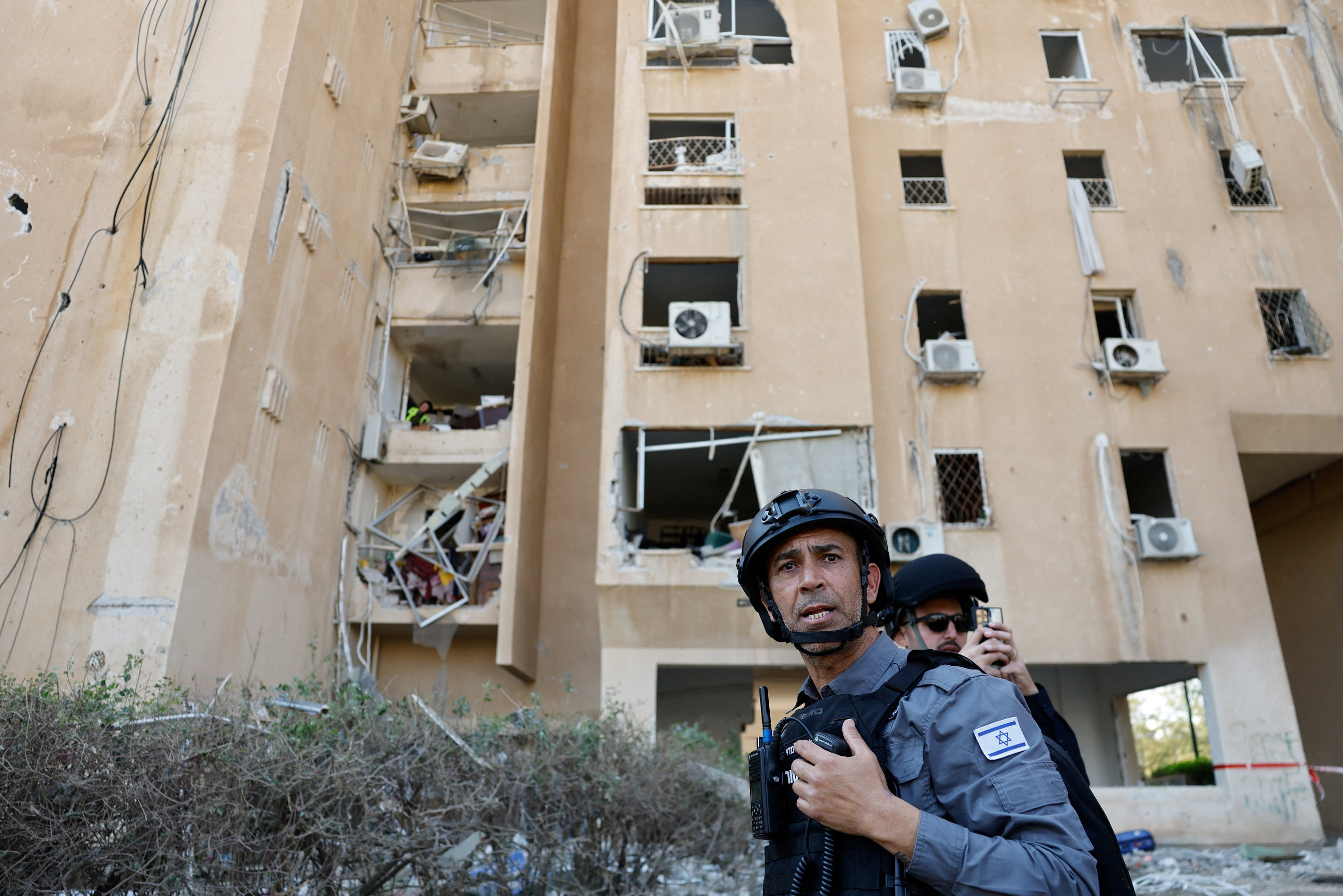


The war in the Middle East spiralled further on Monday as the United States and Israel pounded Iran. Tehran and its allies hit back against Israel, neighbouring Gulf states and targets critical to the world’s production of oil and natural gas.
It was already having far-reaching consequences: Safe havens in the Mideast like Dubai have seen incoming fire; hundreds of thousands of airline passengers are stranded around the globe; oil prices shot up; and US allies pledged to help stop Iranian missiles and drones.
Iran has long threatened, if attacked, to drag the region into total war, including targeting Israel, the Gulf Arab states and the flow of crude oil crucial for global energy markets. All of these came under attack on Monday.
The chaos of the conflict became apparent when the US military said Kuwait had "mistakenly shot down" three American F-15E Strike Eagles while attacks from Iranian aircraft, ballistic missiles, and drones were under way.
US Central Command said all six pilots ejected safely and are in stable condition.
Israel and the US bombed Iranian missile sites and targeted its navy, claiming to have destroyed its headquarters and multiple warships.
As several air strikes hit Iran’s capital of Tehran, the top security official Ali Larijani vowed on X: “We will not negotiate with the United States.”
The death toll grew on all sides.
The Iranian Red Crescent Society said that the US-Israeli operation has killed at least 555 people.
In Israel, where several locations were hit by Iranian missiles, 11 people were killed.
The Iranian-backed Hezbollah militant group also targeted Israel, which responded with strikes on Lebanon, killing more than two dozen people.
Meanwhile, four American troops have been killed, and three people were reported killed in the United Arab Emirates and one each in Kuwait and Bahrain.
Saudi Arabia’s Ras Tanura oil refinery came under attack from drones, with defences downing the incoming aircraft, a military spokesman told the state-run Saudi Press Agency.
The refinery has a capacity of over half a million barrels of crude oil a day.
Oil prices rose sharply on Monday as disruptions to tanker traffic through the Strait of Hormuz chokepoint raised uncertainty about how the attacks on Iran would affect supply to the world economy .
US oil traded 8.4 percent higher at US$72.63 per barrel, while international standard Brent was up 8.5 percent at US$79.13 per barrel.
Elsewhere, a British military base on Cyprus came under attack by an unmanned drone as authorities issued evacuation orders for the surrounding area.
An Iranian drone hit the runway of the UK's Akrotiri air force base just hours after UK Prime Minister Keir Starmer said Britain would not join the offensive against Iran.
In Washington, US Defense Secretary Pete Hegseth spoke to widening concerns that the strikes in Iran could spiral into a protracted regional conflict by declaring, "This is not Iraq. This is not endless."
In the Trump administration's first news briefing since Saturday's strikes, Hegseth said the operation had a "clear, devastating, decisive mission" to "destroy the missile threat" from Iran, destroy its navy and "no nukes".
"No stupid rules of engagement, no nation-building quagmire, no democracy-building exercise, no politically correct wars. We fight to win, and we don’t waste time or lives," he said.
Hegseth said there are currently no American troops on the ground in Iran, but left the option open, saying "we'll go as far as we need."
And Iranian media reported the wife of slain supreme leader Ayatollah Ali Khamenei died on Monday after succumbing to wounds sustained during the US-Israeli attack.
Mansoureh Khojasteh Bagherzadeh, 79, had been in a coma since strikes on Saturday killed Khamenei, the Tasnim news agency said. (AP/AFP)
Edited by Edmond Fong
Mideast war rages on multiple fronts
2026-03-02 HKT 22:36
Share this story


