


Cuba has held talks with the US government, President Miguel Díaz-Canel said, marking the first time that the Caribbean country has confirmed such speculation as it grapples with a severe energy crisis.
Díaz-Canel said on Friday the talks “were aimed at finding solutions through dialogue to the bilateral differences between our two nations. International factors facilitated these exchanges.”
Asked for comment, the White House pointed to public comments by US President Donald Trump, who has repeatedly alluded to discussions with Cuba and prodded the nation towards a deal, particularly to avoid a similar fate that Venezuela faced.
Secretary of State Marco Rubio and senior aides met in the Caribbean at the end of February with the grandson of retired Cuban leader Raul Castro, two US officials said shortly after Díaz-Canel spoke.
The officials said Rubio had met secretly with Raúl Guillermo Rodriguez Castro on the sidelines of a Caribbean Community leaders meeting in St. Kitts and Nevis.
At the time, Rubio refused to say who, if anyone, he was speaking with in or close to the Cuban government.
Díaz-Canel said that the purpose of the talks with the United Syayes was to identify “bilateral problems that require solutions based on their severity and impact” and find solutions to them.
He said that the aim was “to determine the willingness of both parties to take concrete actions for the benefit of the people of both countries. And in addition, to identify areas of co-operation to confront threats and guarantee the security and peace of both nations, as well as in the region”.
Díaz-Canel said no petroleum shipments had arrived on Cuba in the past three months, which he blamed on a US energy blockade . He said the island was running on natural gas, solar power and thermoelectric plants, and that the depletion of fuel oil and diesel forced two power plants to shut down and has limited the generation of power at solar parks.
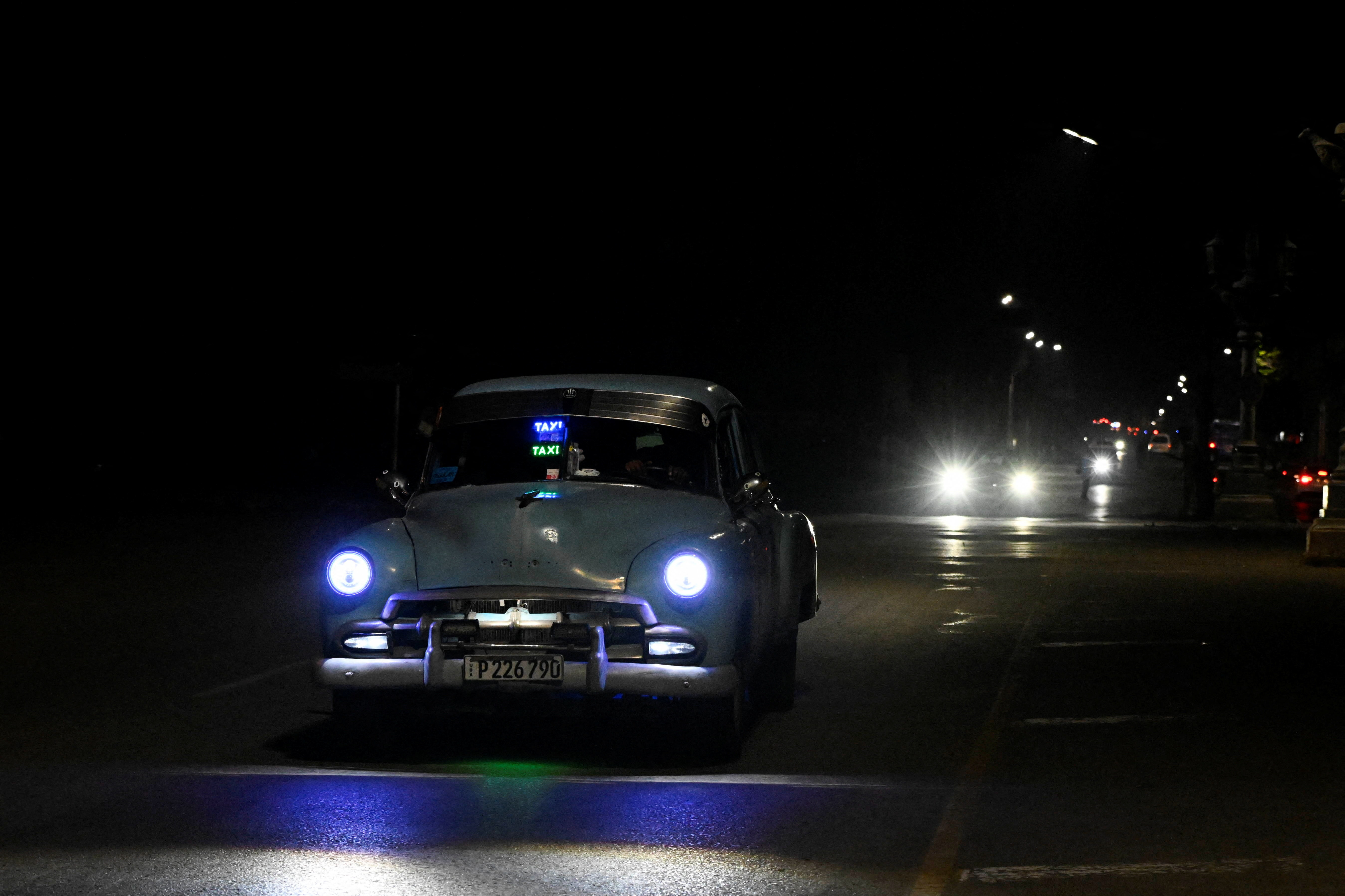
Cuba’s western region was hit by a major blackout last week, leaving millions of consumers without power.
The president said that Cuba, which produces 40 percent of its petroleum, has been generating its own power, but that it hasn’t been sufficient to meet demand. The lack of power has affected communications, education and transportation, and the government has had to postpone surgeries for tens of thousands of people as a result, he said, adding: “The impact is tremendous.” (AP)
Edited by Thomas McAlinden
Cuba has held talks with US amid blockade
2026-03-14 HKT 20:50
Share this story


