


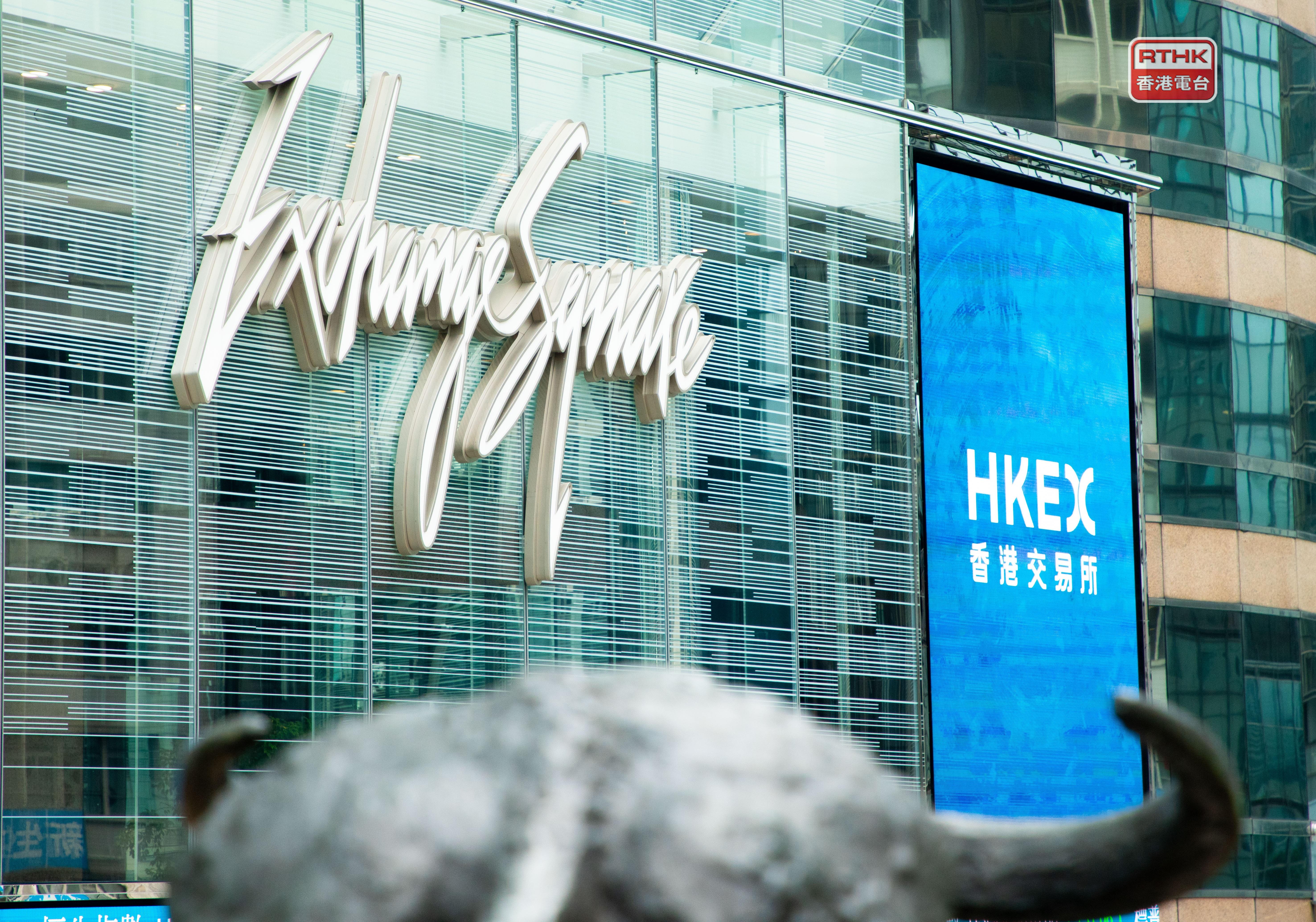
Stocks climbed in early Asian trading on Tuesday, pressing for a second day of gains as investors confronted a crowded central bank calendar and an unrelenting Middle East conflict.
In Hong Kong, the benchmark Hang Seng Index opened 104 points, or 0.4 percent, up at 25,938.
The China enterprises index was 23 points, or 0.3 percent, higher at 8,839 while the tech index was 25 points, or 0.5 percent, higher at 5,137.
Up north, the benchmark Shanghai Composite Index edged up just over one point, or 0.04 percent, to 4,086 at the opening of trading.
The Shenzhen Component Index was 62 points, or 0.44 percent, higher at 14,370 while the ChiNext Index, tracking China's Nasdaq-style board of growth enterprises, was up 0.85 percent at 3,385.
In Tokyo, the Nikkei opened up 535 points, or one percent, at 54,286 but lost ground to hover around 54,013 just after 11am local time, after rising as much as 1.2 percent earlier. The index is on course to snap a three-session decline if the momentum holds.
In Seoul, the Kospi opened up 161 points, or 2.92 percent, at 5,711 before, like with the Nikkei, losing ground to hover around 5,699 just after 11am.
Markets are on edge, trying to price in the economic damage from US President Donald Trump's military attacks on Iran and the policy reaction it could trigger.
On Wall Street on Monday, the S&P 500 rose one percent to snap a four-day losing streak on gains for AI stocks, though the index remains three percent below its level before the conflict began.
"The rally still has the feel of a positioning squeeze rather than the start of a new directional trend," said Chris Weston, head of research at Pepperstone Group in Melbourne. "I remain reluctant to buy dips at this stage."
Brent crude rose 2.7 percent to US$102 a barrel after several US allies rebuffed Trump's call on Monday to send warships to escort tankers through the Strait of Hormuz, a vital artery for a fifth of global energy shipments.
The Reserve Bank of Australia meeting on Tuesday is the first by a major central bank this week, setting the tone ahead of the Federal Reserve, European Central Bank, Bank of England and Bank of Japan as they assess the global economic impact of the Iran war, even though all are expected to stand pat on policy. (Reuters & Xinhua)
Edited by Aaron Tam
HK stocks rise as central banks weigh Mideast impact
2026-03-17 HKT 10:45
Share this story


