


Three weeks into an escalating conflict in the Middle East, Iran threatened to expand its retaliatory attacks to include recreational and tourist sites worldwide as the United States announced it was sending more warships and Marines to the region.
Following news of the deployments, US President Donald Trump said later on Friday on social media that his administration was, in fact, considering “winding down” military operations in the region. The mixed messages came after another climb in oil prices plunged the US stock market, and was followed by a Trump administration announcement that it would lift sanctions on Iranian oil loaded on ships, a move aimed at wrangling soaring fuel prices.
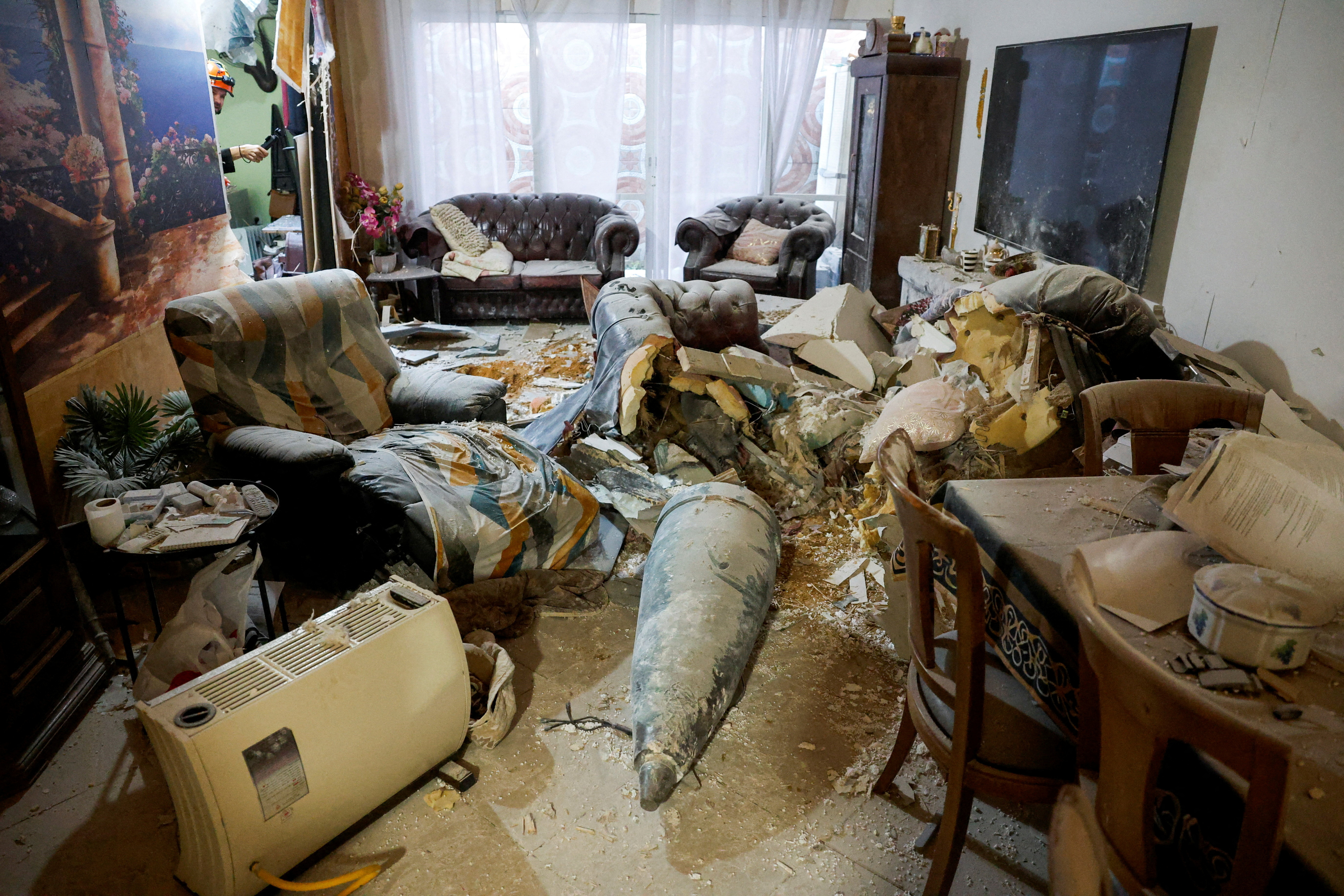
The war, meanwhile, has shown no signs of abating. Israel said Iran continued to fire missiles at it early on Saturday, while Saudi Arabia said it downed 20 drones in just a couple of hours in the country's eastern region, which is home to major oil installations. The defence ministry said there were no injuries or damage.
The attacks came a day after Israeli airstrikes hit in Tehran as Iranians celebrated the Persian New Year, known as Nowruz, a normally festive holiday.
Iran has escalated attacks on its Gulf neighbours since Israel bombed its massive South Pars offshore natural gas field, while keeping a stranglehold on shipping in the Strait of Hormuz, a strategic waterway through which a fifth of the world’s oil and other critical goods are transported.
With little information coming out of Iran, it was not clear how much damage its arms, nuclear or energy facilities have sustained in the punishing US-Israeli strikes – which began on February 28 – or even who was truly in charge of the country. But Iran's attacks are still choking off oil supplies and raising food and fuel prices far beyond the Middle East.
The United States and Israel have offered shifting rationales for the war, from hoping to foment an uprising that topples Iran’s leadership to eliminating its nuclear and missile programmes. There have been no public signs of any such uprising and no end to the war in sight.
In his social media post, Trump said that “we are getting very close to meeting our objectives as we consider winding down our great Military efforts in the Middle East”.
That seemed at odds with his administration’s move to bolster its firepower in the region, by deploying three more amphibious assault ships and roughly 2,500 additional Marines to the Middle East, and request another US$200 billion from Congress to fund the war. Days earlier the United States redirected another group of amphibious assault ships carrying another 2,500 Marines from the Pacific to the Middle East. The Marines will join more than 50,000 US troops already in the region.
Trump has said he has no plans to send ground forces into Iran but also asserted that he retains all options.
General Ali Mohammad Naeini, a spokesman for Iran’s paramilitary Revolutionary Guard, was quoted by a state-run newspaper on Friday as saying Iran continues to manufacture missiles despite Israel’s claim that it destroyed Iran’s production capabilities. Iranian state television later said Naeini was killed in an airstrike.
Supreme Leader Ayatollah Mojtaba Khamenei praised Iranians’ steadfastness in the face of war in a written statement read on Iranian television to mark Nowruz. He said the US-Israeli attacks were based on an illusion that killing Iran's top leaders could cause the overthrow of the government.
Iran’s top military spokesman, General Abolfazl Shekarchi, warned that “parks, recreational areas and tourist destinations” worldwide would not be safe for the country's enemies. The threat renewed concerns that Tehran may revert to using militant attacks beyond the Middle East as a pressure tactic.
It remains to be seen if lifting sanctions on Iranian oil will drop prices. Brent crude oil, the international standard, has soared during the fighting and was around US$108 per barrel, up from roughly US$70 before the war. (AP)
Edited by Robert Kemp
More warships sent as US mulls 'winding down attacks'
2026-03-21 HKT 11:12
Share this story


