


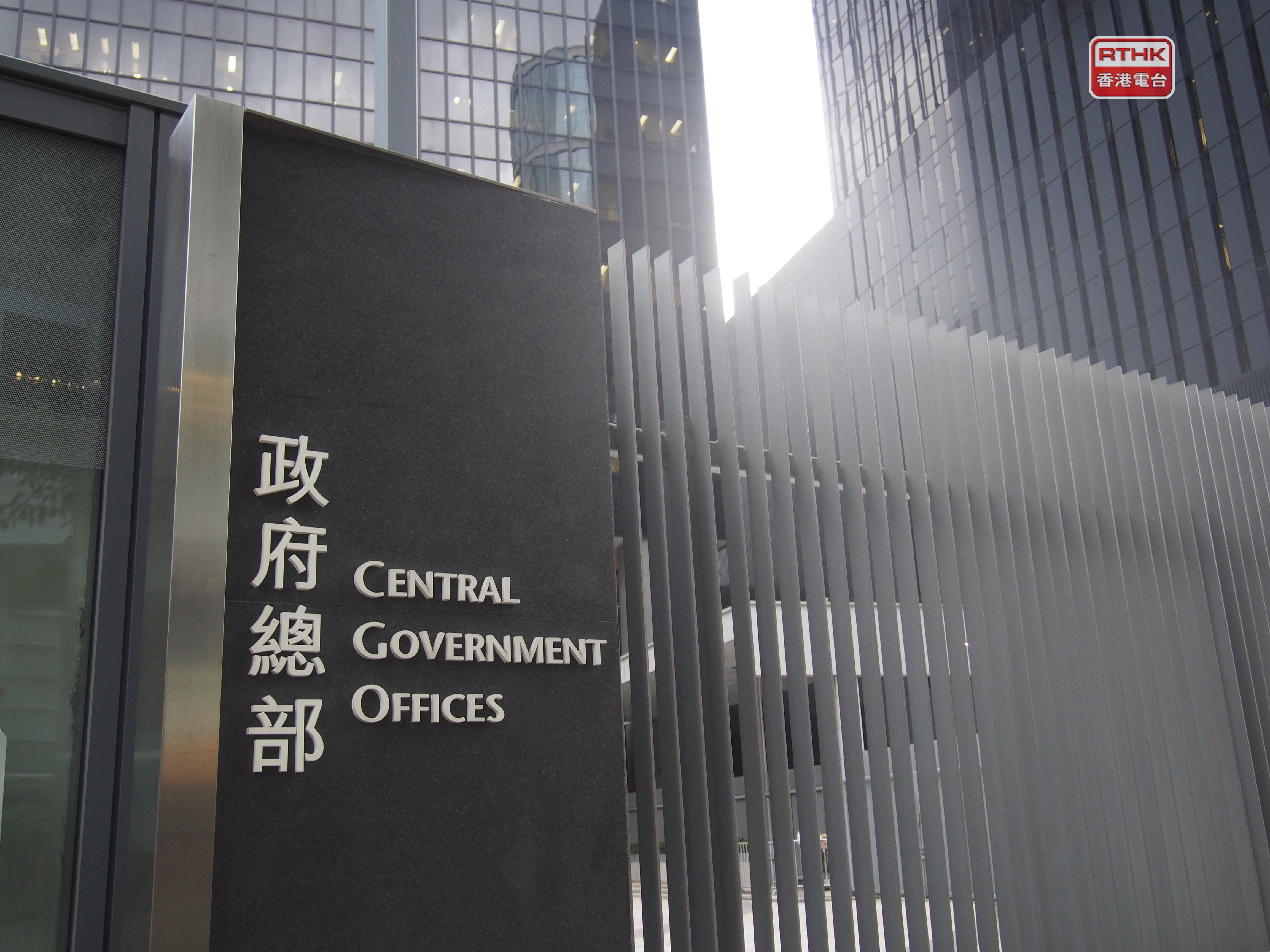
The government has announced that people who refuse to unlock their electronic devices when asked to do so by the authorities could be jailed for up to a year under the National Security Law (NSL).
Also as part of changes to the NSL's implementation rules, Customs officers are authorised to seize material if they reasonably suspect that it has a seditious intent.
The changes were made by the chief executive together with the Committee for Safeguarding National Security, which were gazetted and took effect on Monday.
According to the new rules, those who do not surrender the password of their electronic devices when asked by the authorities are subject to one-year imprisonment and a fine of up to HK$100,000.
If a false statement is made relating to the password, the maximum penalty is a jail term of three years and a fine of HK$500,000.
Another change is that Customs officers can seize material they reasonably suspect to be seditious, and they have been granted greater powers such as the right to freeze, "restrain" or seize property related to a national security offence.
These powers previously rested with the secretaries of justice and security and police officers.
Meanwhile, the maximum prison term has been doubled to one year for office-bearers who fail to provide information about their group which the police chief reasonably believes to be an external political organisation endangering national security. They also face a HK$100,000 fine.
If anyone makes a false statement over this, the maximum penalty is three years behind bars and a fine of HK$500,000.
The government said in a statement that the changes conformed with the Basic Law, including human rights provisions, and that the everyday lives of people in general would not be affected.
It said it has a constitutional duty to improve the legal system and enforcement mechanism in safeguarding national security.
"Safeguarding national security is a continuous endeavour with no end point," the statement read.
"Given the current complex and volatile geopolitical situation, national security risks faced by the HKSAR may arise suddenly and unexpectedly."
Officials will explain the changes to lawmakers on Tuesday.
Edited by Edmond Fong
Govt unveils changes to NSL implementation rules
2026-03-23 HKT 18:54
Share this story


