


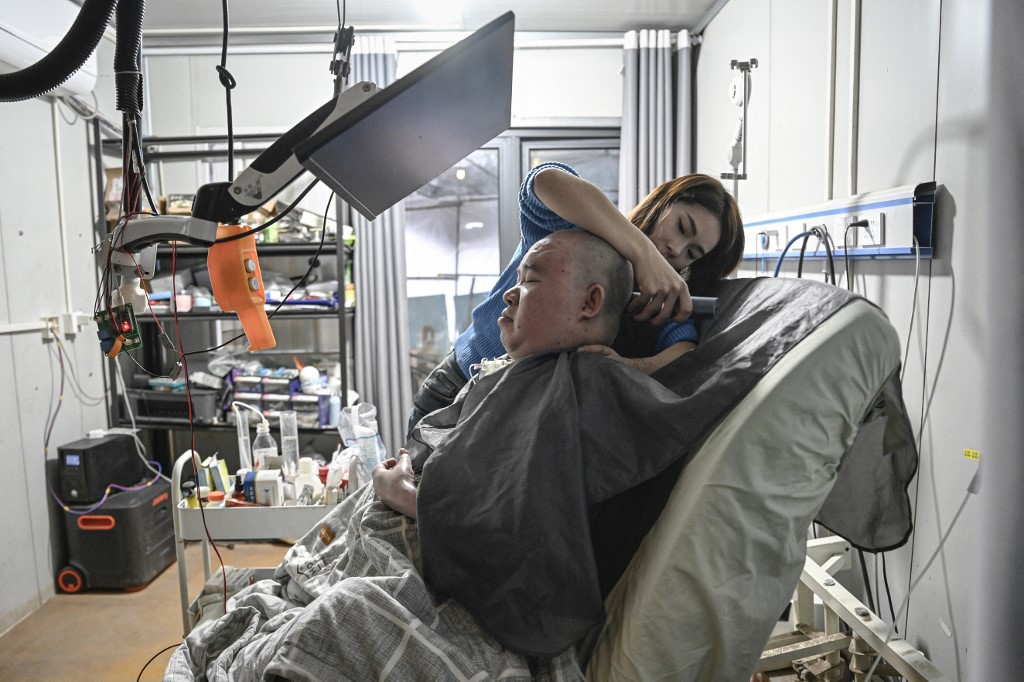
China has issued a set of guidelines to accelerate the establishment of a nationwide long-term care insurance system, with the aim of addressing the basic care needs of people who have difficulty in taking care of themselves.
The long-term care insurance system is a form of social insurance designed to provide services or financial support for basic living care and related medical services to individuals who are unable to care for themselves, Xinhua said, quoting guidelines issued by the general offices of the Central Committee of the Communist Party of China and the State Council on Wednesday.
Since China began piloting long-term care insurance in 2016, nearly 310 million people have enrolled, and over 3.3 million people with disabilities have benefited from the programme.
According to a long-term care insurance service list released by the government in September, a long-term care fund would pay for 20 living care services, such as assistance with meals, going to the toilet and hygiene, and 16 medical care services, including general checkups, basic care and rehabilitation for eligible insurance participants.
This system is considered a vital component of China's broader social security framework and a crucial strategy to tackle challenges posed by the country's ageing population, the document noted.
"Bathing, haircuts, eating, dressing changes – these are no longer distant hopes for those confined to a sickbed, but rather bedside, accessible, attentive care," said Wang Wenjun, deputy head of the National Healthcare Security Administration on Thursday.
Funding will come from employers, individuals and government subsidies, with a total contribution rate of roughly 0.3 percent.
Residents in both rural and urban areas will draw from the same fund pool and receive the same benefits, Wang said.
China still faces wide discrepancies in care and services between rural and urban areas and authorities have vowed to "markedly narrow" the rural-urban healthcare gap by 2035. (With additional reporting from Reuters)
Edited by Tony Sabine
Beijing lays down rules for care insurance system
2026-03-26 HKT 15:22
Share this story


