


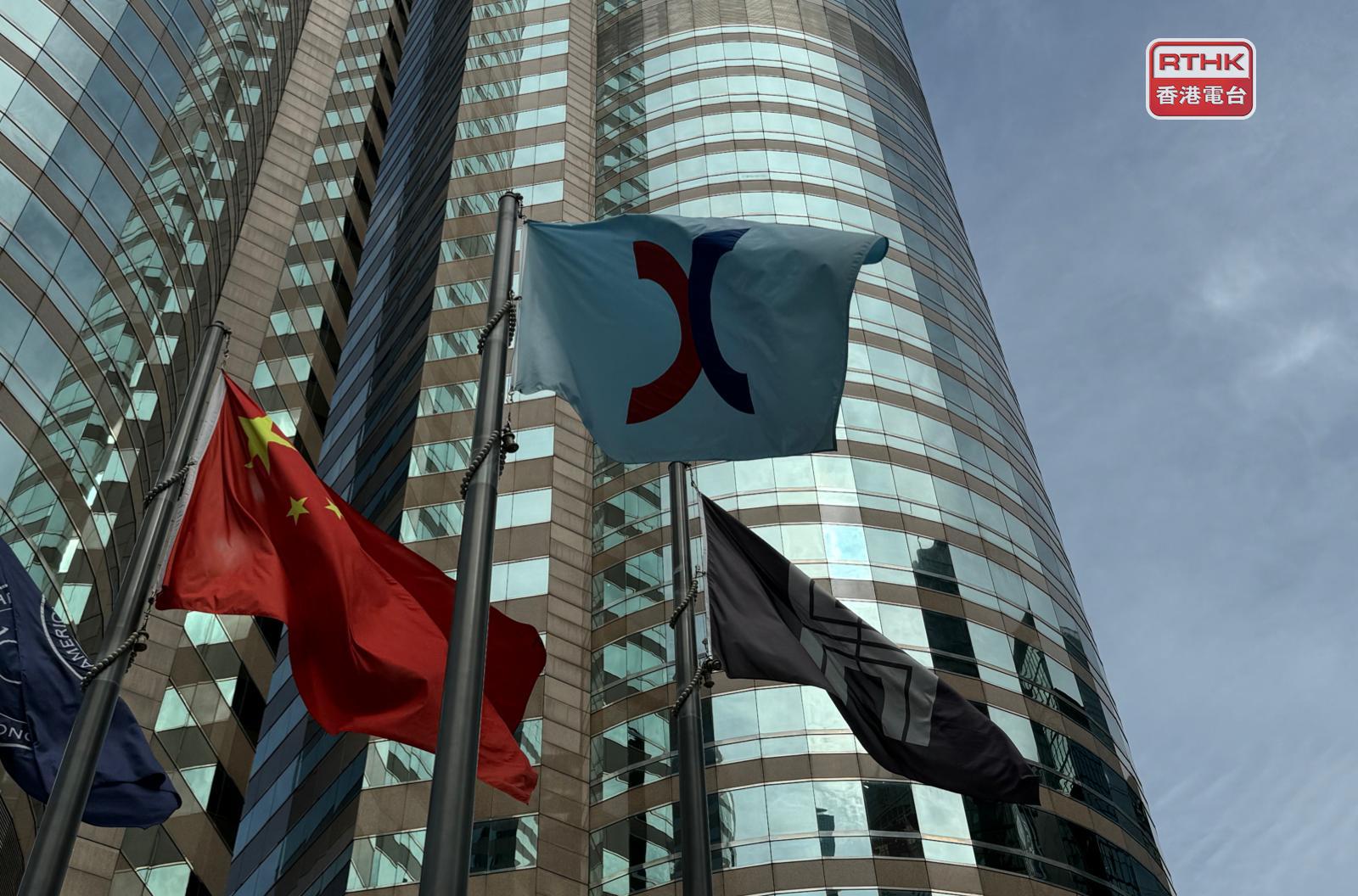
Mainland and Hong Kong stocks ended higher on Friday, outperforming regional peers, as strong industrial profit data lifted market sentiment, despite lingering worries over intensifying Middle East tensions.
The benchmark Hang Seng Index ended trading on Friday up 95 points, or 0.38 percent, at 24,951 but was down 1.3 percent for the week to record its fourth consecutive weekly loss.
The China enterprises index was up 63 points, or 0.76 percent, at 8,453 while the tech index was up 16 points, or 0.35 percent, at 4,778.
Asian stock markets pared losses, as another delayed deadline in the Middle East war nudged oil prices lower, though there was still no end in sight to the unfolding energy crunch on the global economy.
On the mainland, the benchmark Shanghai Composite Index ended up 24 points, or 0.63 percent, at 3,913.
The Shenzhen Component Index was almost 154 points, or 1.13 percent, higher at 13,760 while the ChiNext Index, tracking China's Nasdaq-style board of growth enterprises, was 23 points, or 0.71 percent, up at 3,295.
The slight strength came after China's industrial firms reported stronger profit growth early in the year, reinforcing recovery signals in the world's second-largest economy even as the Middle East war threatens global growth.
"While a prolonged Middle East conflict would pose material risks, we think China has significantly reduced its vulnerability to oil shocks in the past decade, and faces an opportunity to offer affordable green tech products and infrastructure solutions to nations seeking alternatives," economists at Barclays said in a note.
"We see oil shocks as less of a constraint for China's modest policy easing, given continued weakness in domestic demand," they said, maintaining their expectations of a 10-basis-point policy rate cut and a 50-basis-point reserve requirement ratio reduction in the first half of this year.
Market participants will pay close attention to the March manufacturing activity data due on Tuesday for more clues on the impact on the broad economy from the Middle East war.
China is considering easing shareholding restrictions for some major investors, sources have said, in a move aimed at broadening capital-raising options for commercial banks reeling from an economic slowdown.
On the Middle East front, US President Donald Trump said he was extending a postponement of threatened attacks against Iran's energy plants to April and that talks with Iran were going "very well".
But an Iranian official pushed back, dismissing the US proposal as "one-sided and unfair".
In Tokyo, the Nikkei ended trading for the week down 230 points, or 0.44 percent, to 53,373, after sliding as much as two percent earlier in the session, and snapped a three-week losing run to finish this week little changed.
Its losses were partially offset by investors chasing dividend payouts.
In Seoul, the benchmark Kospi ended the day down 21 points, or 0.40 percent, at 5,438 after falling more than three percent earlier in the session, with the losses capped by bargain hunting by investors. (Reuters/Xinhua)
Edited by Tony Sabine
HK stocks lifted by mainland industrial profits
2026-03-27 HKT 17:53
Share this story


