


China is expected to see growth dip to 4.6 percent this year and 4.5 percent next, down from five percent, on the back of continued weakness in its property market and slower export growth, the Asian Development Bank (ADB) warned on Friday.
That growth warning came with the ADB saying the Middle East conflict was expected to be a drag on Asia's economies over this year and the next while predicting growth to slow to 5.1 percent across the world's most populous region.
That prediction could prove optimistic, however, if new evidence suggesting a "more prolonged conflict and more persistent disruptions" bore out, it said.
Growth predictions could fall to as low as 4.7 percent for 2026 and 4.8 percent in 2027 should the US-Israeli war with Iran drag into the third quarter.
"Most economies in developing Asia and the Pacific will see their growth outlook worsen this year and in 2027," was the bank's stark assessment.
The region's status as a net energy importer left it particularly vulnerable to the war's fallout, ADB chief economist Albert Park said.
"Higher energy prices can generate significant income losses," he said.
"Even after energy prices normalise, supply-chain disruptions, higher producer prices, and tighter financial conditions would prolong stagflationary pressures."
A more drawn-out conflict in the Middle East could also see inflation spike by as much as 5.6 percent, the ADB said.
Completed in March, the bank's report had predicted price jumps of 3.6 percent in 2026 and 3.4 percent in 2027 under what it dubbed an "early stabilisation scenario".
Park noted that Iran's squeeze on shipping in the Strait of Hormuz had ripple effects far beyond the gas pump, including regional food security.
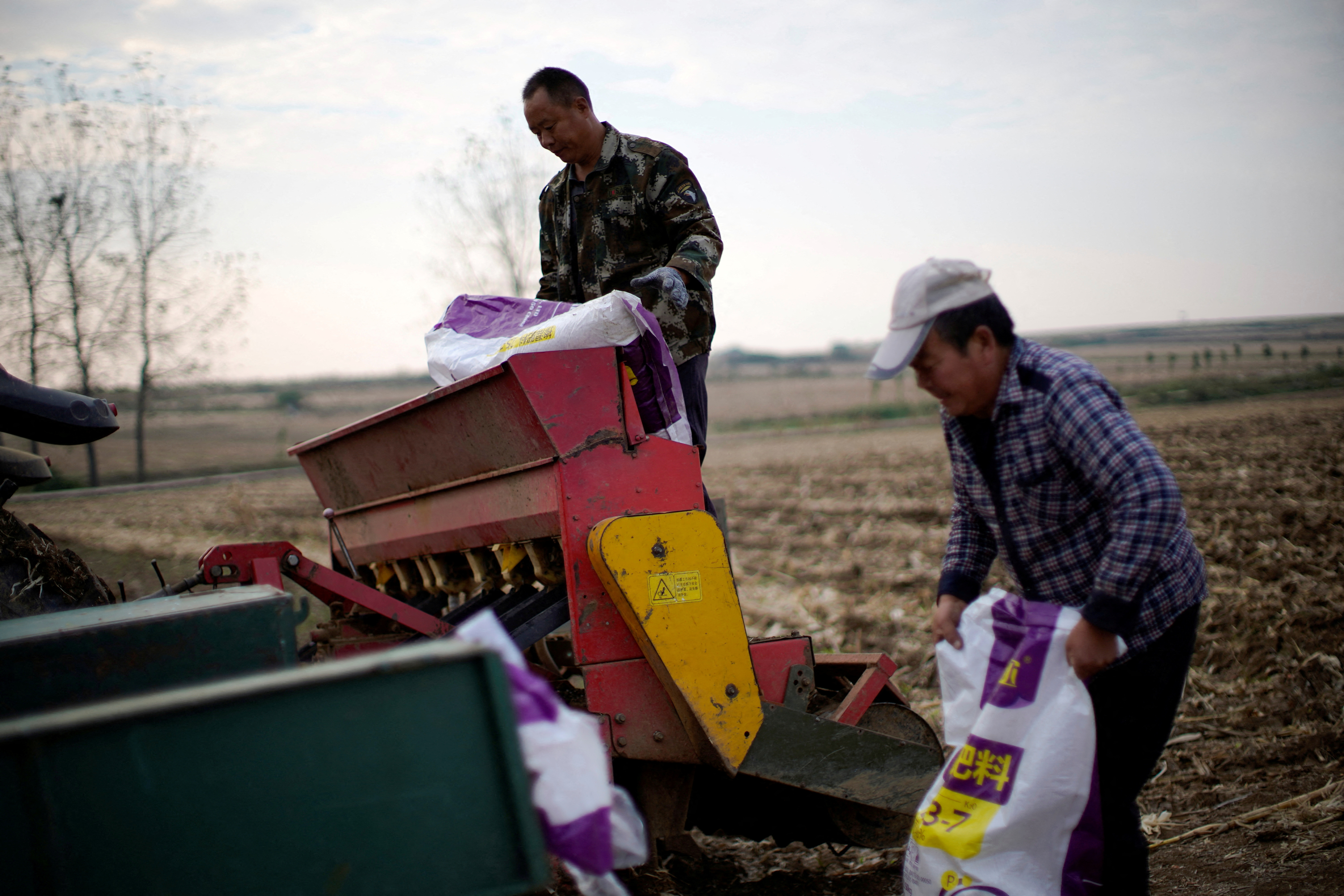
"Although rice prices still remain relatively low ... high fertiliser and diesel prices raise agricultural costs, which could lead to less input use and lower yields later in the year, and that could contribute to food insecurity," he said.
In Manila on Friday, lines stretched around the block in some neighbourhoods as residents flocked to take advantage of a government-backed programme providing rice for just 20 pesos per kilo.
The new ADB report also said continued trade uncertainty in the face of US President Donald Trump's tariff regime could be expected to weigh on regional investment. (AFP)
Edited by Tony Sabine
ADB expects 4.6pc growth for China in 2026
2026-04-10 HKT 13:10
Share this story


