


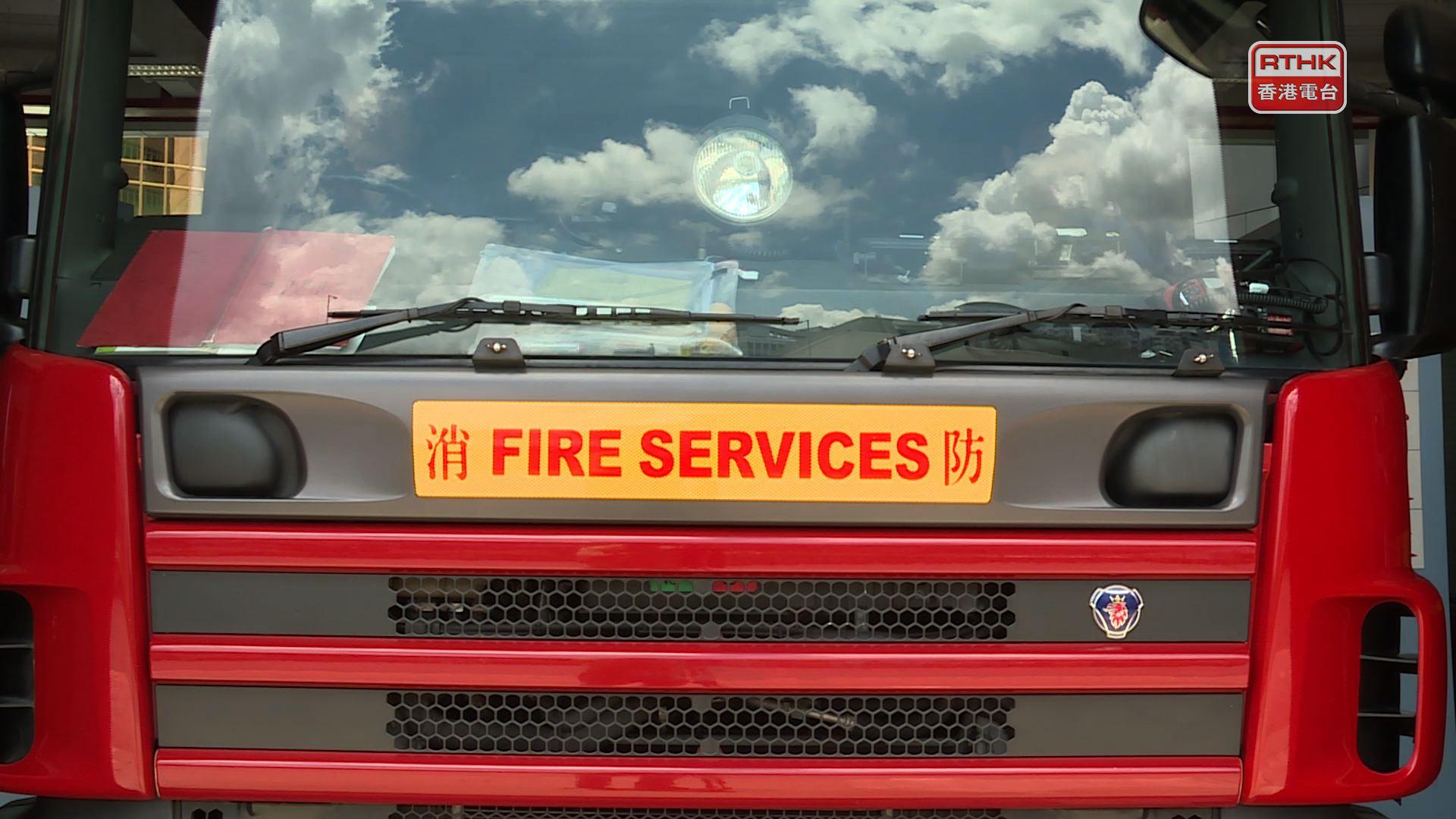
The Fire Services Department on Monday said it is mulling tougher penalties such as seizing the vehicles of both buyers and sellers of illegal fuel and stepping up the enforcement powers of officers due to a surge in the number of such cases.
Speaking on an RTHK radio programme, the deputy chief fire officer for licensing and certification, Ngai Chor-fung, said the department had received 375 reports of suspected cases in the first quarter of this year, compared to a monthly average of 77 in 2025.
During the past three months, it initiated 130 prosecutions and seized 360,000 litres of illegal fuel.
He pointed to the recent rise in the number of convictions as a possible indication that the current punishment of a fine of up to HK$100,000 and up to six months behind bars was not posing a sufficient deterrence.
Ngai also pointed out that officers could only seize fuel, storage containers and filling tools under the law for now.
"In the past, we've confiscated fuel and containers. It had some deterrent effect, but these activities resume easily," he said.
"If we could confiscate vehicles, it would be a much bigger deterrent to car owners."
Ngai said such illicit activities posed extreme fire risks and stressed that both the buyers and sellers should be legally responsible.
Stations engaged in illicit fuel activities involving diesel are, he said, operated in a fixed manner and usually located in remote and hidden in places like Tsing Yi and Yuen Long.
However, cases involving petrol, which have been on the rise since the end of last year, see fuelling stations relatively hidden, mobile and fragmented in and around the urban areas, Ngai said.
For instance, more than 16,000 litres of petrol was seized between January and March.
Ngai said the petrol was generally stored in modified seven-seater vehicles or lorries.
Edited by Tony Sabine
Buyers, sellers of illegal fuel face vehicle seizures
2026-04-13 HKT 12:02
Share this story


