


The US dollar jumped against other major currencies in early Asia trading on Monday, as investors sought its relative safety after marathon talks between Washington and Tehran failed to yield a peace deal, plunging markets into a seventh week of uncertainty.
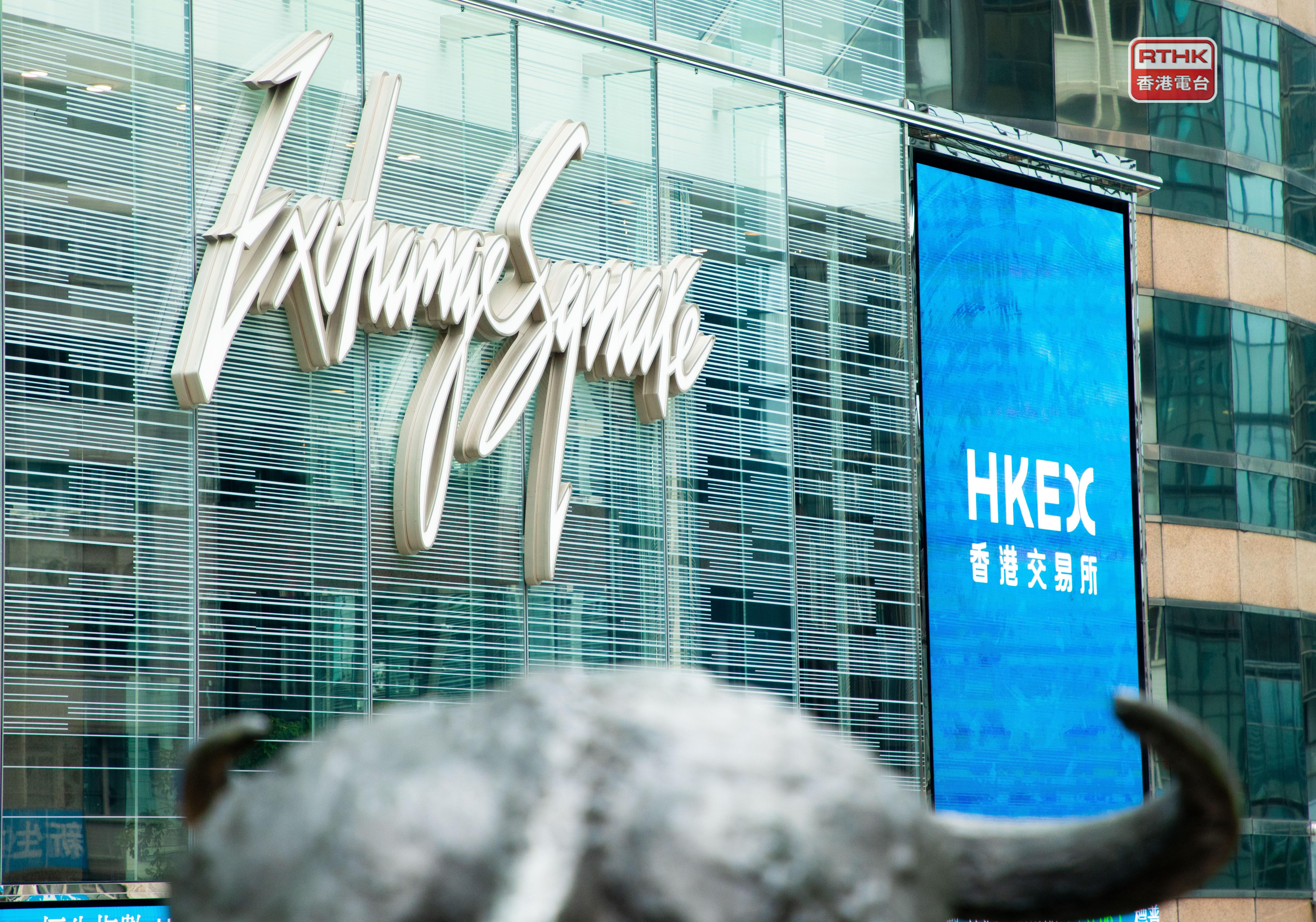
In Hong Kong, the benchmark Hang Seng Index lost 184 points, or 0.71 percent, to open at 25,708.
The China enterprises index dropped 48 points, or 0.6 percent, to 8,606 while the tech index was 33 points, or 0.7 percent, down at 4,826.
Up north, the benchmark Shanghai Composite Index opened down 15 points, or 0.38 percent, at 3,971.
The Shenzhen Component Index opened 76 points, or 0.53 percent, lower at 14,233 while the ChiNext Index, tracking China's Nasdaq-style board of growth enterprises, was down 0.42 percent at 3,434.
US President Donald Trump said on Sunday the country's Navy would start blockading the Strait of Hormuz, a choke point for 20 percent of the world's daily energy supplies that Iran effectively closed since the war started in late February.
That has driven oil prices up by over 30 percent and fuelled fears of a widespread surge in inflation.
The US dollar, which has acted as a safe haven given the limited exposure of the United States to imported energy-price inflation, rallied as Asian markets opened for trading, leaving the euro down 0.53 percent at US$1.1663 and gaining 0.1 percent against the yen to trade at 159.
"This is an absolute unwinding of any optimism heading into the peace talks into that play of dollar: safe-haven; oil jumping and selling out of everything else," City Index senior market analyst Fiona Cincotta said.
"On the other hand, we have seen the markets over-exaggerate sometimes. And I think especially around this scenario, the market is struggling to really price it correctly because there is so much uncertainty, so many unknowns."
More risk-sensitive currencies such as the Australian dollar and sterling came under heavy pressure, falling 1.1 percent and 0.5 percent, respectively.
In Tokyo, the 225-issue Nikkei Stock Average opened down 502 points, or 0.88 percent, at 56,421.
The benchmark continues its retreat to being 540 points, or 0.95 percent down, to 56,383 at one point before midday.
In Seoul, the Korea Composite Stock Price Index opened down 121 points, or 2.08 percent, at 5,737.
Unlike the Nikkei, however, the Kospi pulled back some of its losses to be 71 points, or 1.21 percent, down at 5,787 at one point before noon. (Reuters/Xinhua)
Edited by Tony Sabine
HK slips as markets enter uncertainty for seventh week
2026-04-13 HKT 11:07
Share this story


