


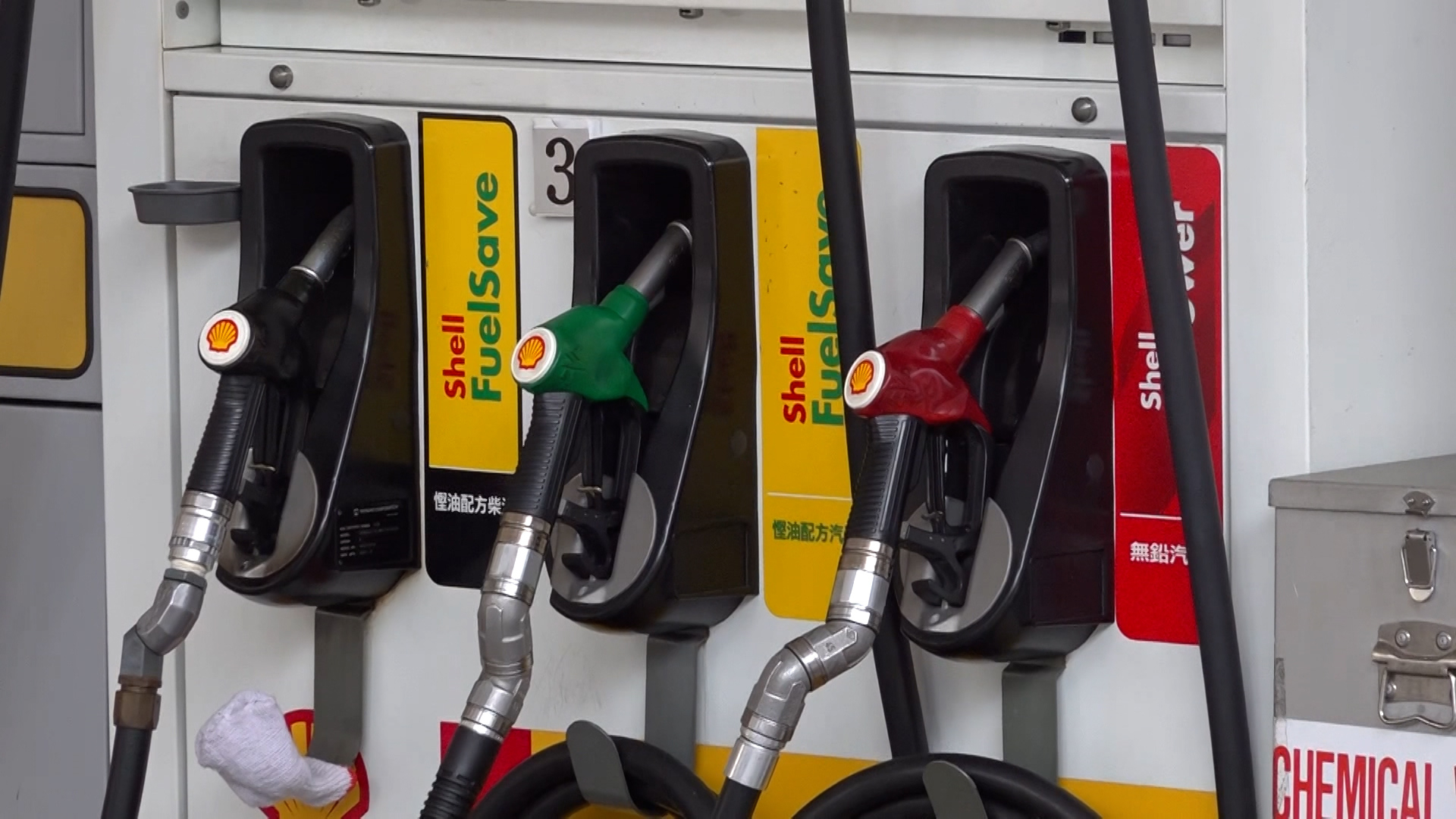
The transport and industrial sectors have welcomed the government's relief measures in response to surging fuel prices due to the Middle East conflict.
That came after a HK$1.8 billion relief package was approved by the Legislative Council on Friday to help businesses cope with the sharp rise in global oil prices since the United States and Israel launched daily attacks on Iran in late February.
The relief measures, to start later this month, will include a HK$3-per-litre subsidy for diesel-powered commercial vehicles and vessels for a period of two months and a 50 percent discount on government-operated tunnel tolls for all commercial vehicles.
Anthony Lam, chairman of the Federation of Hong Kong Industries, said on RTHK's Backchat programme on Tuesday that several sectors have been facing a tough situation, especially in regard to the commercial vehicles they need to operate as part of their business.
He emphasised, however, the importance of continued monitoring by the government of the situation to ensure that timely help could be provided to the sector when needed given fast-changing situational changes in the Middle East.
The government "set up [the Inter-departmental Task Force on Monitoring Fuel Supply] so as to review the situation from time to time and make sure that it is timely to help the industry in Hong Kong, especially the logistics industry," he said.
Willy Lin, honorary chairman of the Hong Kong Shippers' Council, said that while Hong Kong can rely on China for support in regards to cargo shipments, he believes it is essential for the city to reduce dependence on fossil fuels and explore green technologies such as hydrogen-powered vehicles.
They both stressed the need for the government to speed up its efforts in addressing the issue and noted that this could be a good opportunity for the city to move forward on the green initiative, such as reconsidering extending the "One-for-One Replacement" Scheme for electric vehicles that ended last month.
Peter Yung, spokesman for the Hong Kong Taxi and Public Light Bus Association who also spoke on the same programme, said the relief measures were welcome but suggested that a longer-term strategy to stabilise fuel prices would be beneficial for the transport sector as a whole.
He said the fuel subsidy was a good measure for the time being but that different transportation modes had their own operational model.
Yung suggested a fuel surcharge mechanism that is similar to one for the airline industry be implemented for the transport sector to provide stability in case oil prices surge again in the future.
"I think that would be a really good mechanism to help the transport industry to make sure that we are running smoothly ... it brings stability to our transport industry for sure," he said.
Edited by Thomas McAlinden
Thumbs-up for diesel subsidy 'but more may be needed'
2026-04-14 HKT 16:24
Share this story


