



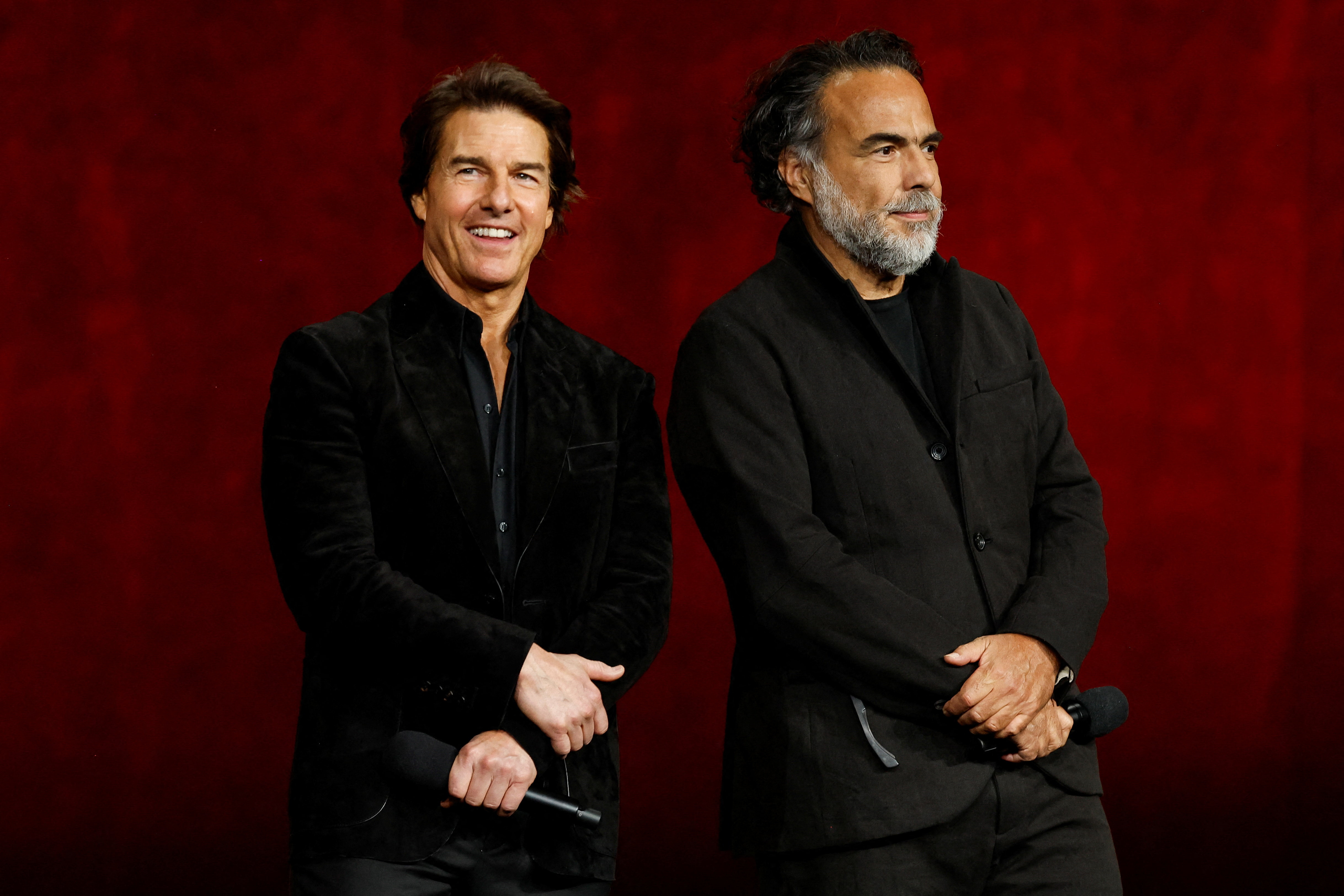


Paramount Skydance was on a charm offensive at CinemaCon this week, trying to convince theatre owners that its megabucks deal to swallow Warner Bros would be good for the industry.
A glitzy promotional film narrated by Tom Cruise ended with the world's most bankable movie star sitting atop the company's water tower, gazing over Hollywood. "The future is Paramount, and the future looks pretty great from here," he said.
The firm's chief executive David Ellison, attuned to fears that the US$111 billion offer for a rival studio would result in cuts, bounded onto the stage at Caesars Palace to insist it would not crimp production.
"I came here today... to look every single one of you in the eye and give you my word. Once we combine with Warner Brothers, we're going to make a minimum of 30 films annually," he told the audience, pledging 45-day theatrical windows before any film is available to stream. "Long live the movies!"
The response from theatre owners was lukewarm, and maybe for good reason: they've been here before.
"Disney said a lot of similar things when they were acquiring 20th Century Fox. They committed to maintaining the level of output," said Matthew Hoopfer of Michigan-based cinema chain Studio C.
"20th Century Fox was a major studio; they had 10, 12 movies a year. I think in the Disney showcase [this year] between 20th Century and Searchlight, there were five or six movies."
Cinema United, the umbrella group that organizes CinemaCon, has declared itself sceptical about the takeover.
"While recent pledges attempt to address the threats of consolidation to our industry, they are not yet sufficient in addressing our concerns," organization president Michael O'Leary said.
"We remain open to tangible commitments that will ensure a vibrant global theatrical exhibition industry for years to come."
Cinema owners are not the only ones who are worried.
An open letter signed by thousands of Hollywood luminaries – from acting heavyweights Jane Fonda and Joaquin Phoenix to directors J J Abrams and Denis Villeneuve – opposed the consolidation and fretted it would mean "fewer jobs... higher costs, and less choice for audiences." (AFP)
Edited by Thomas McAlinden
Paramount pitch cuts no ice with theatre owners
2026-04-18 HKT 16:40
Share this story


