


Asian shares struggled on Friday and oil prices resumed their rise as a shaky ceasefire in the Middle East war and stalled US-Iran peace talks gave investors little to cheer.
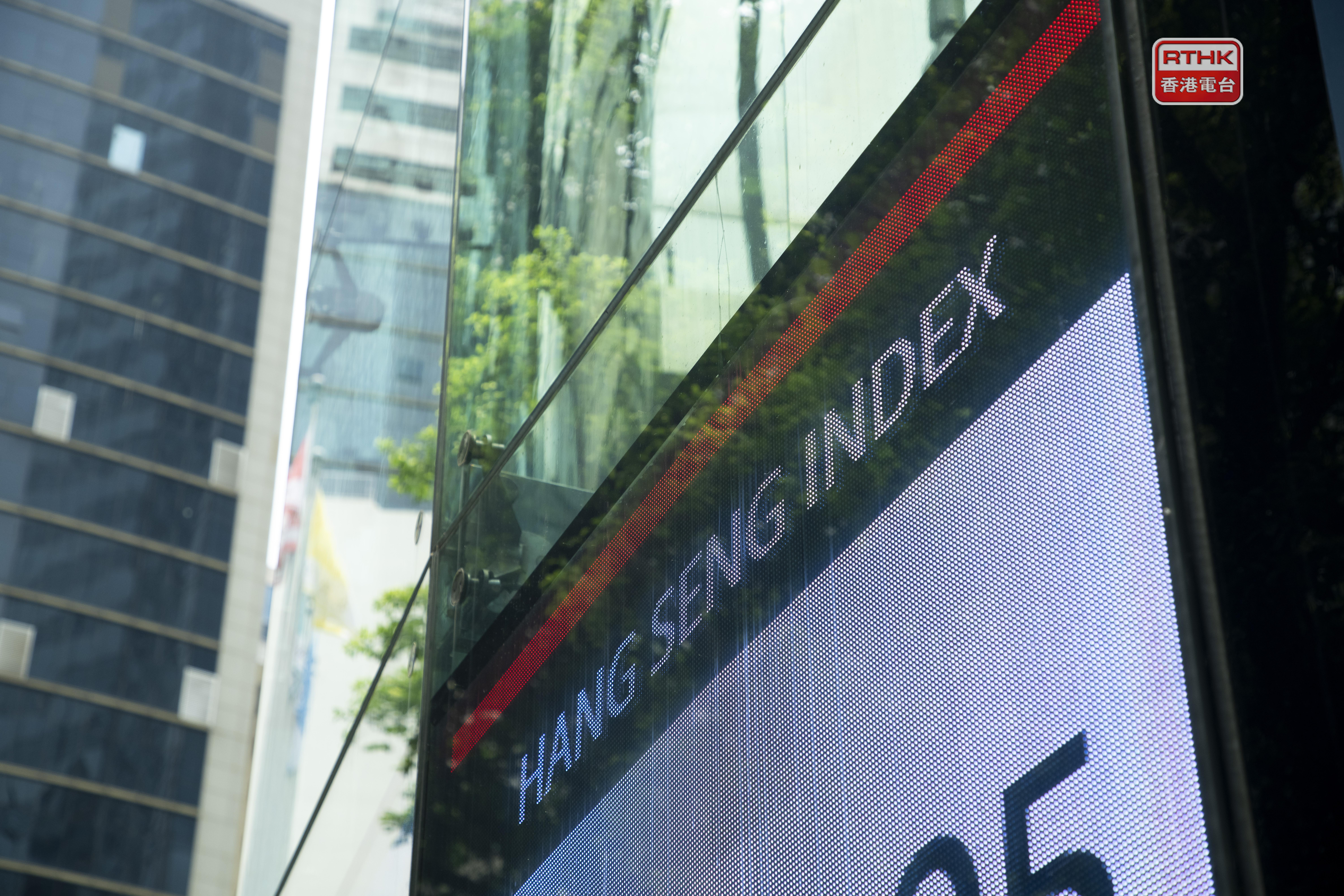
In Hong Kong, the benchmark Hang Seng Index opened 181 points, or 0.7 percent, lower at 25,733.
The China enterprises index was 52 points, or 0.6 percent, lower at 8,680 while the tech index was 38 points, or 0.8 percent, lower at 4,826.
On the mainland, the benchmark Shanghai Composite Index opened down 12 points, or 0.3 percent, at 4,081.
The Shenzhen Component Index opened 91 points, or 0.61 percent, lower at 14,951 while the ChiNext Index, tracking China's Nasdaq-style board of growth enterprises, was down 1.01 percent to open at 3,682.
In Tokyo, the Nikkei Stock Average opened up 267 points, or 0.45 percent, at 59,407.
The 225-issue benchmark edged up further from there to be 322 points, or 0.55 percent, up at 59,462 at one point before midday.
In Seoul, the Korea Composite Stock Price Index opened up 20 points, or 0.31 percent, at 6,496.
The Kospi reversed direction and was losing 10 points, or 0.16 percent to hover around 6,465 at one stage before noon.
The mixed showing underscored the tense market mood as investors this week seesawed between hope for an imminent end to the war and fear that it might not come soon.
"The thing is, a ceasefire is a funny term to use in conjunction with a blockade and rolling tensions and animosities," said Vishnu Varathan, Mizuho's head of macro strategy for APAC.
Iran on Thursday flaunted its tightened grip over the key Strait of Hormuz with a video of commandos in a speedboat storming a huge cargo ship, while US President Donald Trump said he had ordered the Navy to "shoot and kill" Iranian boats laying mines in the strait, and step up demining activity.
Trump's comments came just days after he said he would indefinitely extend what had been a two-week ceasefire with Iran to allow for further peace talks.
"It's not going to be a linear de-escalation of violence and oil prices and volatility around the entire supply shock," said Varathan.
"[Investors] have just been looking for excuses to put on optimistic trades opportunistically. I don't think anybody in the market truly believes that this will be over in a week or two." (Reuters/Xinhua)
Edited by Tony Sabine
HK, mainland stocks down as peace talks hope stagnates
2026-04-24 HKT 11:13
Share this story


