


Asian stocks held near record highs and the US dollar was muted on Tuesday as investors weighed the geopolitical maelstrom in the Middle East and braced for megacap earnings and a slate of central bank meetings, with the Bank of Japan due later in the day.
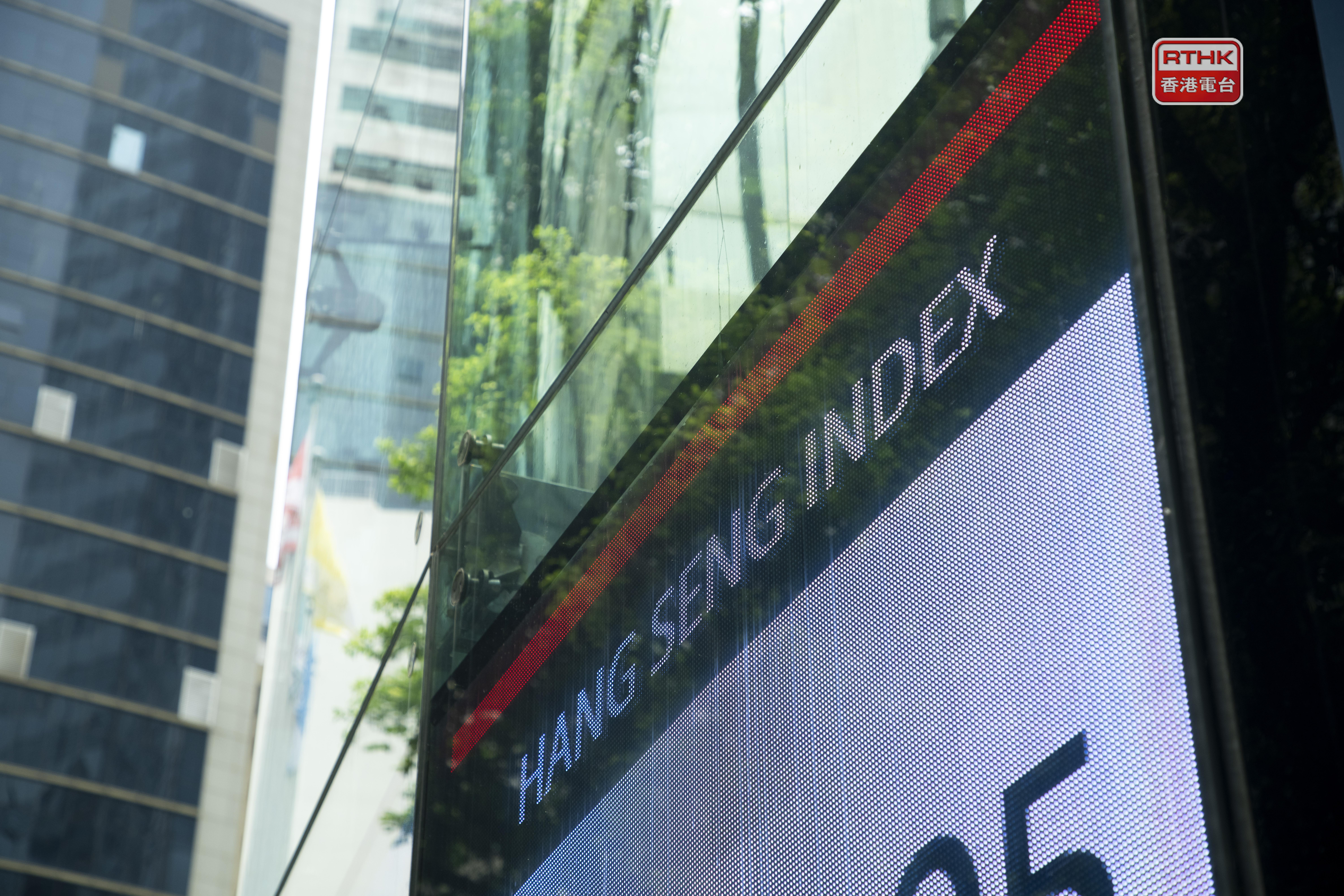
In Hong Kong, the benchmark Hang Seng Index opened down 111 points, or 0.4 percent, at 25,814.
The China enterprises index was down 44 points, or 0.5 percent, at 8,711 while the tech index was down 16 points, or 0.3 percent, at 4,923
Up north, the Shanghai Composite Index opened down 10 points, or 0.3 percent, at 4,076.
The Shenzhen Component Index was down 70 points, or 0.5 percent, at 14,925 while the ChiNext Index was down 25 points, or 0.7 percent, at 3,623.
While Washington was reviewing Tehran's latest proposal to resolve the war in the Middle East, a US official said President Donald Trump was unhappy with the proposal because it did not address Iran's nuclear programme.
That leaves the two-month-long conflict in a stalemate with energy and other supplies through the critical Strait of Hormuz at a standstill.
Global monetary policy will be in the spotlight this week as the Bank of Japan, the US Federal Reserve, the Bank of England and the European Central Bank are due to announce policy decisions.
All are expected to stand pat on rates but attention will be on comments from policymakers on the impact of the war on prices.
The Nikkei share average slipped five points, or 0.01 percent, down to 60,531 from a record high reached in the previous session.
The 225-issue benchmark's losses accelerated from there to be 271 points, or 0.45 percent, down at 60,265 at one point before midday.
It comes as the Bank of Japan kept its key interest rate unchanged which leaves it scope to push up borrowing costs in coming months to counter inflationary pressure from the Middle East conflict.
Markets are focusing on its quarterly outlook report and comments from governor Kazuo Ueda for clues on how the protracted Iran war affects its rate-hike path.
The yen was at 159.33 per US dollar, still near the 160 level that traders have been worried about as a breach beyond it might spur Tokyo to step in to support the currency.
The yen has been straddling 159 since early March.
"The BOJ is likely to stay highly sensitive to market volatility," said Fred Neumann, chief Asia economist at HSBC.
"Our base case remains one single 25 basis point hike this year in July, but a June rate rise becomes more likely if the Strait of Hormuz is still effectively closed after mid-May."
In Seoul, the Korea Composite Stock Price Index opened at a new high of 6,646, up 31 points, or 0.48 percent, led by gains in automakers and steel manufacturers, with investor focus on major corporate earnings releases.
The Kospi was up 51 points, or 0.77 percent, at 6,666 at one point before noon. (Reuters/Xinhua)
Edited by Tony Sabine
HK stocks slip as slew of central bank meetings looms
2026-04-28 HKT 11:17
Share this story


