


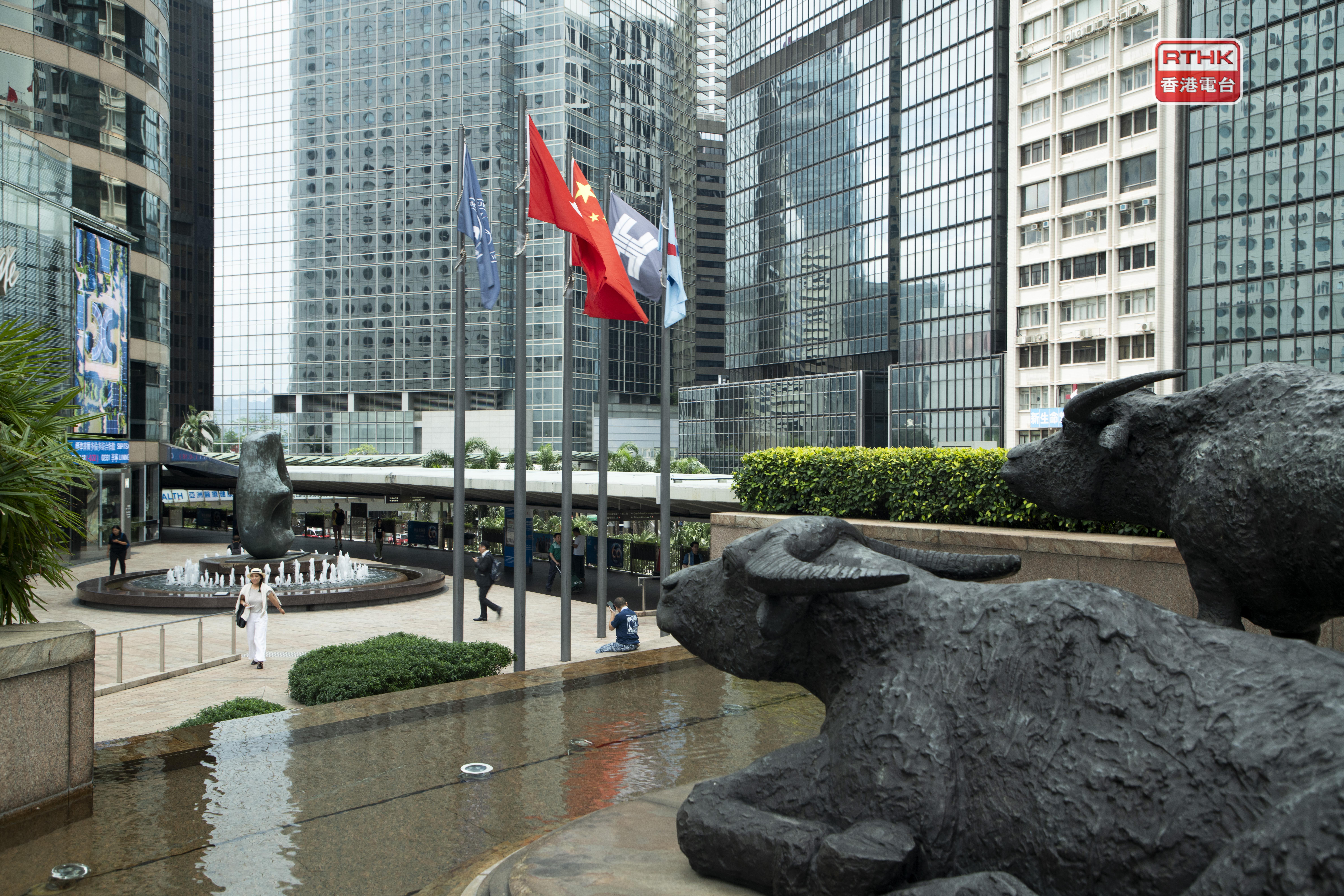
Asian stocks embarked on another slip in the recurrent up and down cycle of good news one day followed by bad news the next day emanating from the Middle East of late, with the latest spark coming from renewed US-Iran hostilities.
In Hong Kong, the benchmark Hang Seng Index opened down 266 points, or one percent, at 26,359.
The China enterprises index was down 56 points, or 0.6 percent, at 8,863 while the tech index was 41 points, or 0.8 percent, down at 5,079.
On the mainland, the Shanghai Composite Index opened down 16 points, or 0.39 percent, at 4,163.
The Shenzhen Component Index was down 121 points, or 0.78 percent, at 15,520 while the ChiNext Index was down 41 points, or 1.07 percent, at 3,792.
In Tokyo, the Nikkei Stock Average dived deeper to be down almost 668 points, or 1.06 percent, at 62,165 at one point before lunch after opening with a loss of 179 points, or 0.29 percent, to 62,654.
The 225-stock average was dragged by a fall in SoftBank shares after Arm Holdings, where it is majority owner, warned of trouble securing supply for its new artificial intelligence chip.
In Seoul, the Korea Composite Stock Price Index trimmed its losses to be 90 points, or 1.21 percent, down at 7,399 after opening 136 points, or 1.82 percent, at 7,353.
In spite of the early market opening losses sparked by the United States and Iran exchanging fire in the Middle East, many markets in Asia were still heading for stellar weekly gains as AI demand has swept up chipmakers.
Benchmark Brent crude futures were up 1.3 percent at US$101.60 a barrel and European stock futures fell 0.7 percent.
The United States and Iran exchanged fire on Thursday in the most serious test yet of their month-long ceasefire, but Tehran said the situation had returned to normal while the Trump administration said it did not want to escalate.
US President Donald Trump said the ceasefire, which has more or less held for a month, was still in effect, sustaining hopes for a negotiated resolution.
MSCI's broadest index of Asian shares outside Japan fell 0.8 percent though the Kospi, despite its early retreat, was still headed for a weekly gain of more than one percent – the largest since 2008 – as Samsung and SK Hynix have surged.
"Despite ongoing hostilities and still-elevated oil prices, markets are pricing a limited duration," said Marija Veitmane, head of equity research at State Street Markets, with Asia and the United States attracting the most buying at Europe's expense.
Currency markets were broadly steady with the dollar recovering from recent lows and the yen in focus as Japan has likely been intervening to stave off further falls.
The yuan, Asia's best-performing currency since the war broke out, is on the cusp of strengthening past 6.8 to the dollar and sits near its strongest since 2023.
Investors are awaiting the US non-farm payrolls report on Friday, with jobs expected to have increased in April by 62,000 after rebounding 178,000 in March, a survey of economists shows.
A US trade court ruled Trump's latest 10 percent temporary global duties are unjustified under a 1970s trade law.
But analysts expect a swift appeal and little overall impact to US levies. (Reuters/Xinhua)
Edited by Tony Sabine
HK stocks take hit from latest bout of Gulf fighting
2026-05-08 HKT 11:19
Share this story


