


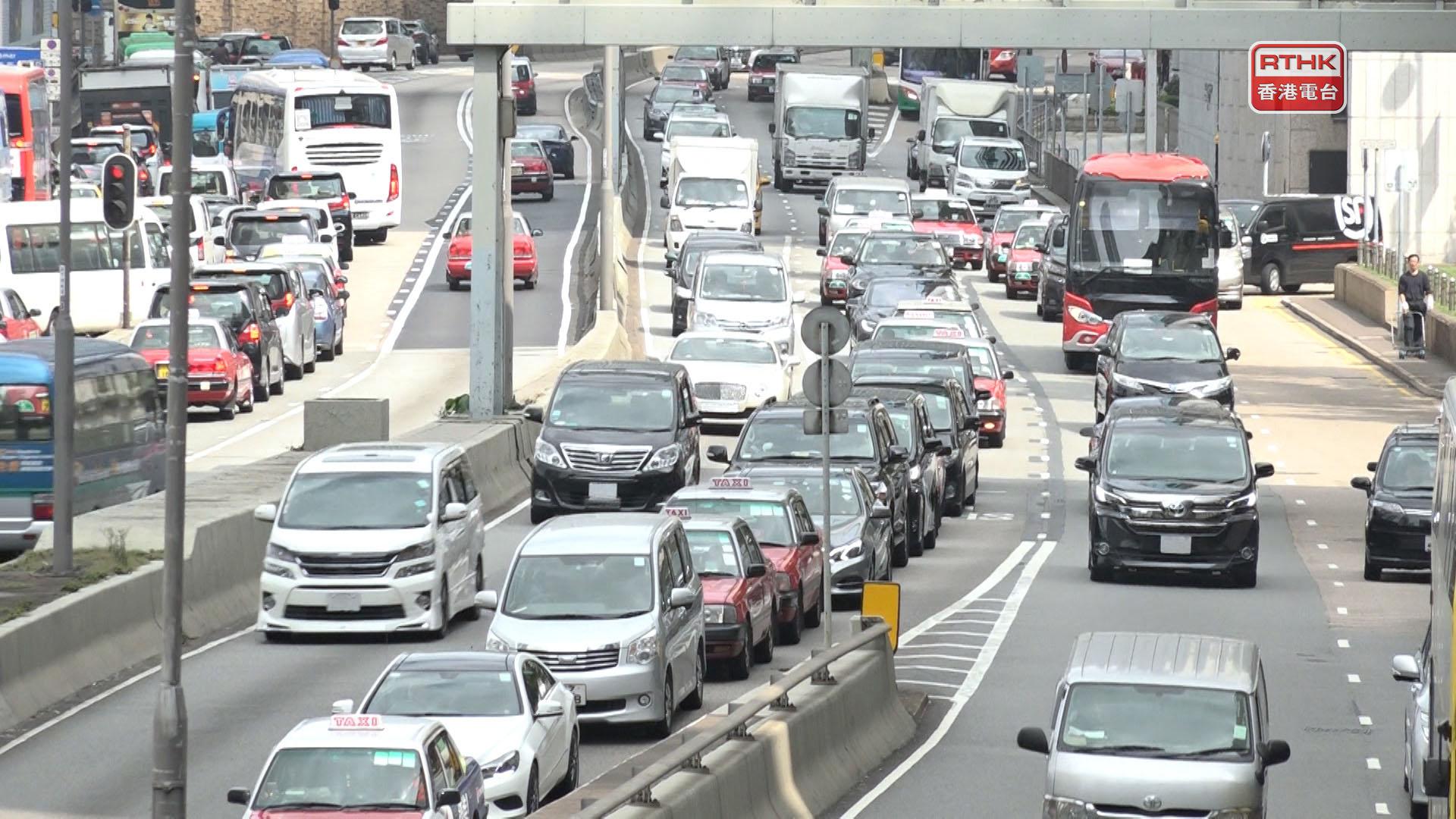
The government said it would weigh public travel demand, user experience, road capacity and the broader public transport ecosystem when deciding how many ride-hailing permits will be issued.
In a submission to Legco, the Transport and Logistics Bureau and the Transport Department noted that they had received a wide range of views on the topic.
According to the document, the taxi industry itself does not have a unified stance, with different operators suggested issuing several thousand to at least 10,000 permits.
Ride-hailing platforms, meanwhile, called for tens of thousands to meet both current and future demand. They also argue that the cap should remain flexible and be adjusted over time in response to market conditions.
The document also says public opinion remains divided. Many residents believe enough permits should be issued to meet demand, with some pointing out that in other cities ride-hailing vehicles often outnumber taxis by several times – implying a cap higher than Hong Kong’s current taxi fleet of about 18,000.
Others believe the situation in Hong Kong is unique and the SAR should not simply "copy" the experience of other cities, and officials should adopt a cautious approach.
The government said it would continue to gather feedback from different stakeholders, taking into account people's travel needs and the potential impact on roads and the transport system before finalising the cap.
The final cap will be set out in a future gazette notice to the Legislative Council.
Officials said they plan to introduce subsidiary legislation in the first half of 2026, invite platforms to apply for licences in the third quarter, and invite vehicles and drivers to apply for permits in the fourth quarter.
Last year, Legco approved a bill to introduce a regulatory framework for ride-hailing services in Hong Kong.
Edited by Edmond Fong
Number of ride-hailing permits mooted
2026-05-11 HKT 21:45
Share this story


