


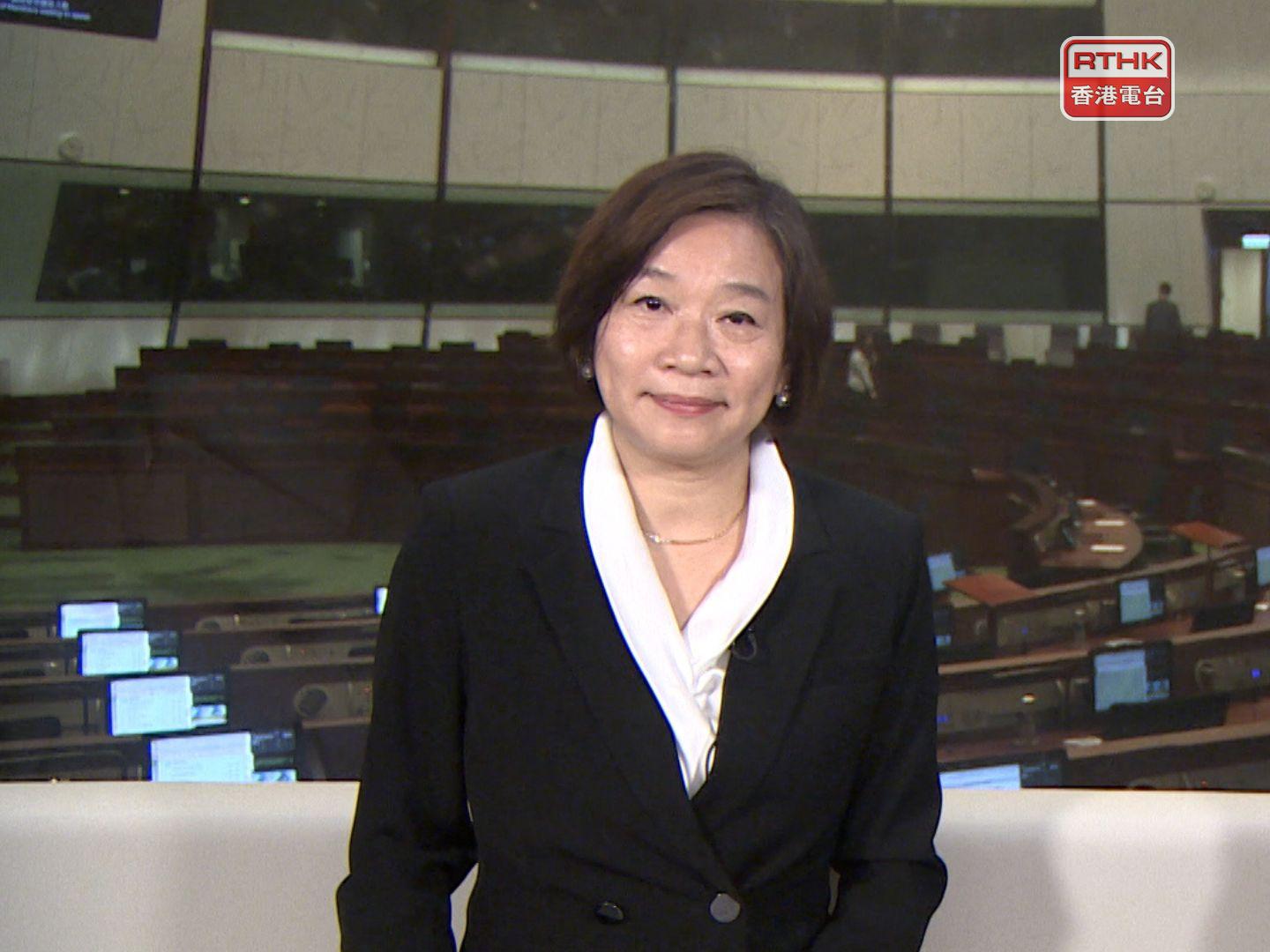
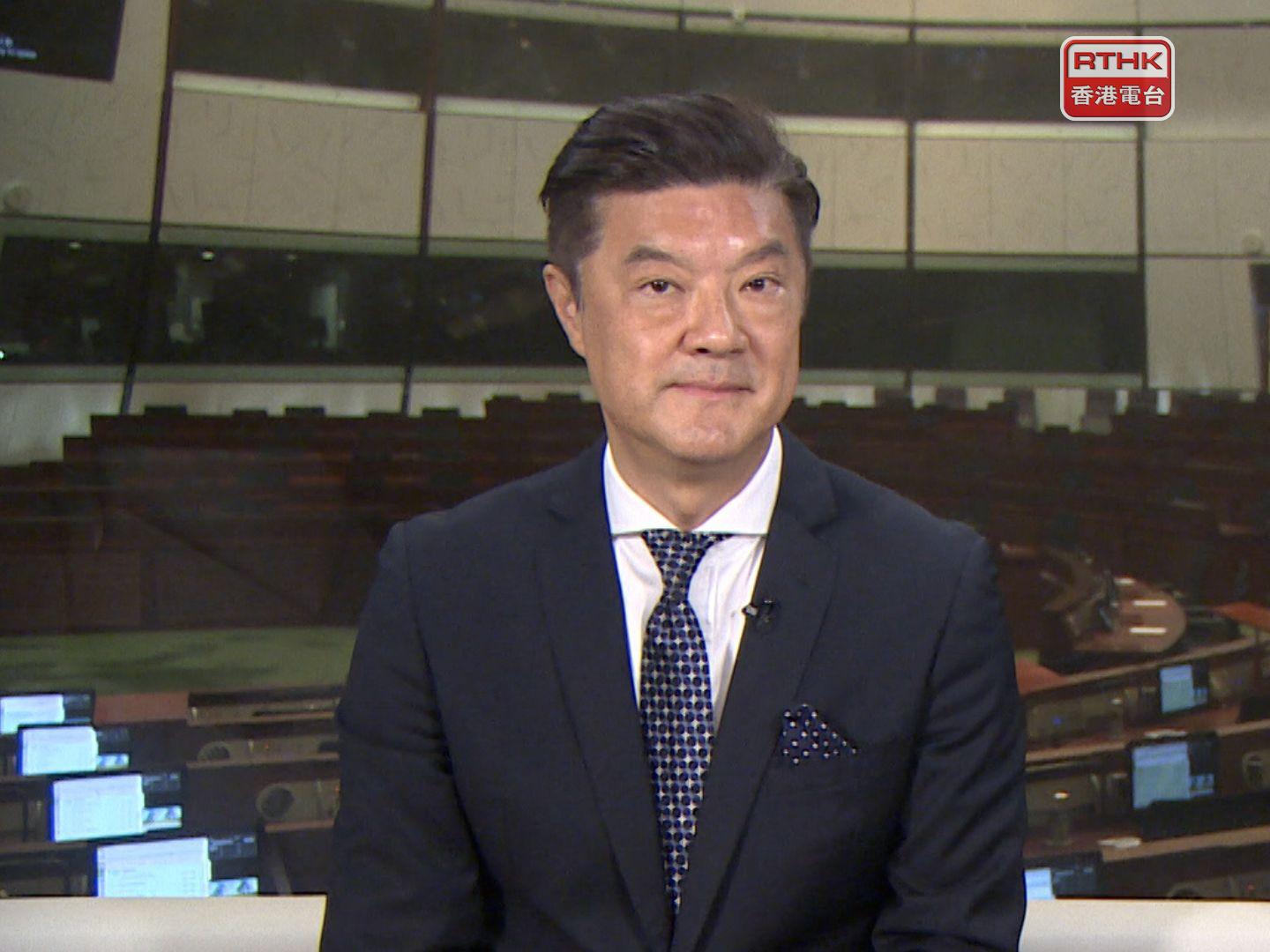


Two lawmakers on Wednesday said more university subsidies and high-tech internship opportunities are needed, as the city's labour market undergoes a structural shift amid the rapid advancement of artificial intelligence.
It comes after data released by online job search platform JIJIS showed that the number of full-time job vacancies for university graduates in Hong Kong fell by 14 percent – or 1,100 placements – year on year to 6,800 in the first quarter of 2026.
However, the median pay level rose by two percent year on year to around HK$20,000 during the period.
Speaking on RTHK's "In The Chamber", lawmaker Priscilla Leung warned that the city's job market is undergoing a "profound change", as employers seek workers who are well-versed in AI.
"This reflects the market demand for more highly-skilled personnel, and employers are willing to offer higher salaries for such individuals to look for the most suitable graduates for these positions," she said.
"Secondly, we can also see the changes in the current technological era where certain types of graduates become very sought after.
"But for some other roles, such as those with basic skills or knowledge that can be easily replaced by AI, you will gradually see fewer such job positions," she added.
Lawmaker Andrew Yao also said the SAR government should look at ways to cultivate more "versatile" AI talents as it drafts the SAR's very first five-year plan.
"What is a versatile talent? It means that one has a good understanding of the application of data and AI technologies, while maintaining his or her own independent thinking to solve the root causes of the problems," he said.
He called on authorities to consider rolling out more university subsidies to attract high-quality AI talent, especially those from Belt and Road regions.
He also said that more internship programmes should be arranged for local students to work in high-tech companies as well as scientific research teams on the mainland to better integrate into the nation's development.
"I think it's important for Hong Kong's youth to learn more about the country's investments into emerging industries and future technologies, such as quantum computing and humanoid robots, so it's not only AI, but other technologies as well," Yao added.
Edited by Aaron Tam
'Versatile AI talents needed amid profound shifts'
2026-05-13 HKT 15:33
Share this story


