


Oil prices eased and stocks wavered on Tuesday, with investors tracking a potential deal between the United States and Iran and rising bond yields sounding the alarm on interest rate expectations.
The yield on 30-year US Treasury bonds hit its highest level since during the global financial crisis 19 years ago, hitting as high as 5.19 percent during the session, compared to around 4.6 percent before the US-Israel war on Iran began in February.
The move indicated growing market unease over inflation, energy prices and fiscal worries.
US President Donald Trump said he had held off a major new assault against Tehran as he saw hope for securing an agreement to end the conflict.
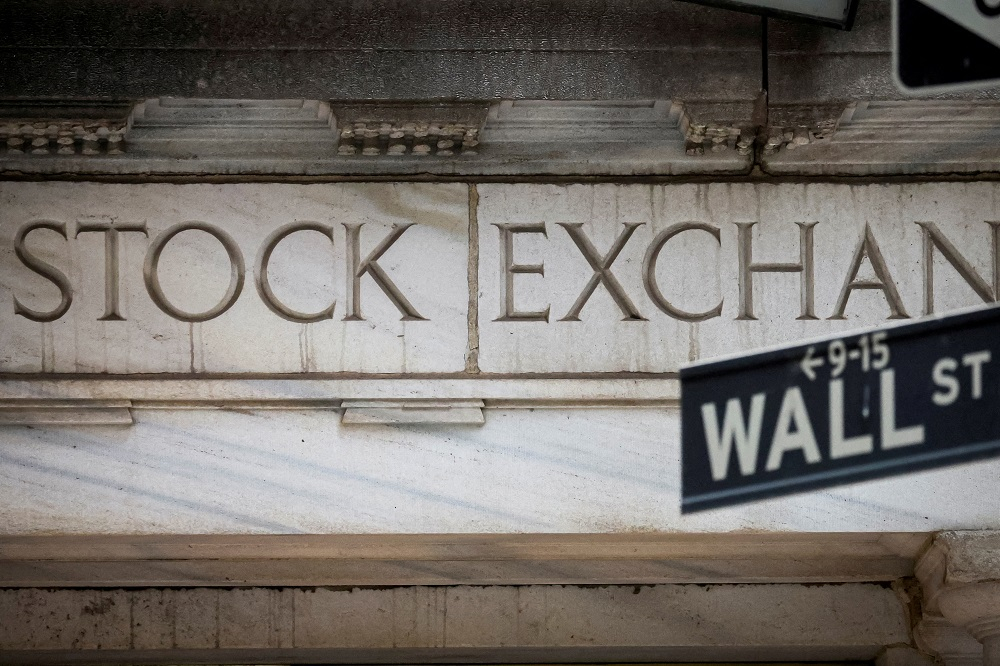
Stocks did not get much of a boost from Trump's announcement, however, with Wall Street's major indices closing in the red.
European indices ended the day mixed.
"Investors are showing relief that tensions haven't escalated," said Russ Mould, investment director at AJ Bell.
He added, however, that "oil prices remain at high enough levels to weigh on the global economy."
Brent crude, the international benchmark, hovered at around US$110 a barrel, down from Monday's prices but still up more than 50 percent since the outbreak of the Middle East war.
Investors are also nervously eyeing rising yields for government bonds in major economies, including the United States and Japan, indicating that investors are selling amid fears inflation will hinder economic growth.
"It's really just inflation worries, particularly given that the Strait of Hormuz is still closed," said Sam Burns of Mill Street Research about the drivers of the bond yields.
Burns pointed to US inflation data last week that hit multi-year-highs as being of concern to investors.
Still, with markets not expecting the US Federal Reserve to hike rates until at least next year, Burns said he expected bond yields to have a ceiling on how high they will go.
The divergence between bond investor worries and stock market enthusiasm for strong corporate earnings and the AI-fuelled tech boom is increasingly prompting caution.
Higher bond yields point towards expectations of higher borrowing costs, which could make it more difficult for many firms, in particular for those needing to finance massive investments into AI.
Investors will now be looking to Wednesday's quarterly results from US chip titan Nvidia to see whether huge spending on AI data centres is justified by potential returns.
"The chip giant's outlook for sales and its assessment of the uptake of enterprise AI will be vital for the next stage of the tech trade," said Kathleen Brooks at XTB.
In other corporate news, shares in Standard Chartered slid 2.2 percent after the British bank revealed plans to axe thousands of jobs with a deployment of AI to replace employees in a range of administrative roles.
The Nasdaq fell 0.8 percent, to 25,870, the S&P 500 fell 0.7 percent, to 7,353, while the Dow fell 0.6 percent to 49,363. (AFP)
Edited by Cecil Wong
Oil dips, stocks mixed after Trump delays Iran attack
2026-05-20 HKT 06:51
Share this story


