



Asian stocks rose on Friday while the greenback sat near six-week highs and oil prices were whipsawed as investors held on to hopes of a breakthrough in US-Iran peace talks although both sides remained at odds over key issues.
In Hong Kong, the benchmark Hang Seng Index opened up 255 points, or 1.01 percent, at 25,641.
The China enterprises index was up 85 points, or 1.01 percent, at 8,560 while the tech index was up 75 points, or 1.57 percent, at 4,843.
On the mainland, the Shanghai Composite Index opened up 18 points, or 0.5 percent, at 4,096.
The Shenzhen Component Index was up 135 points, or 0.9 percent, at 15,382 while the ChiNext Index was up 46 points, or 1.2 percent, at 3,875.
In Tokyo, the Nikkei 225 was 1,409 points, or 2.29 percent, higher at 63,093 at one point before midday after opening up at 61,913.
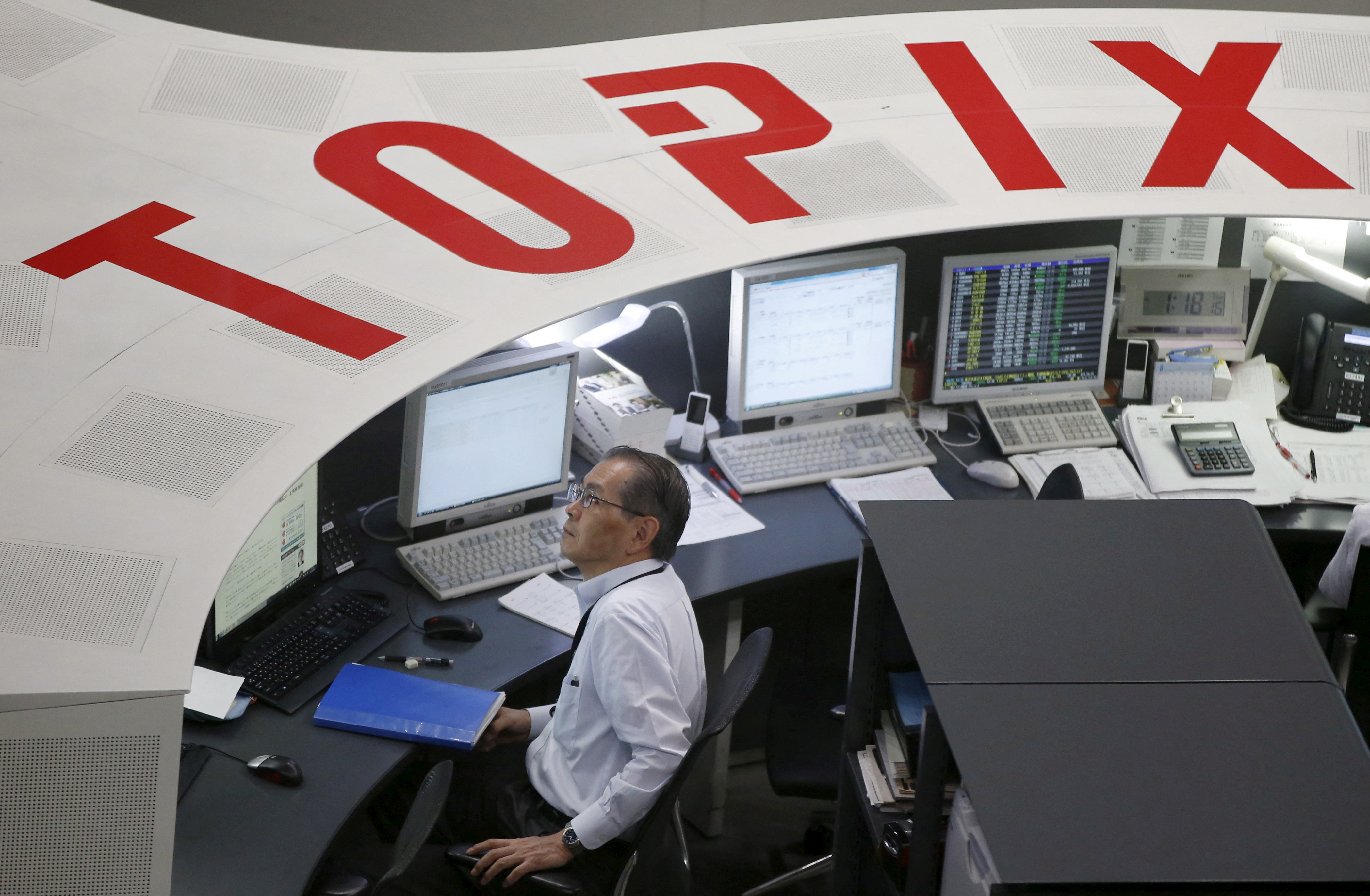
The broader Topix index opened up 12.8 points, or 0.33 percent, at 3,866.
In Seoul, the Kospi was up almost 10 points, or 0.13 percent, at 7,825 at one point before lunch after opening at 7,873.
With regional markets gaining ground, Chris Weston, head of research at Pepperstone, said it increasingly feels as though the news flow is gradually trending towards something tangible that markets can ultimately price with greater conviction.
However, he cautioned, "confidence levels are still not especially high".
Oil prices rose in early trading on Friday after dropping sharply as conflicting messages on the talks keep investors guessing.
They remain well above pre-war levels where they are expected to remain even if a resolution is announced.
Brent crude futures rose two percent to US$104.71 a barrel but were set for a six percent drop in the week.
US West Texas Intermediate futures were up 1.66 percent at US$98.01.
Prolonged energy disruptions as the war drags on threaten to feed through to prices across the globe, spurring traders to price in rate hikes in developed and emerging markets.
Markets are now pricing in possible rate hikes from the US Federal Reserve by the end of the year versus expectations of two rate cuts before the war.
"We’re seeing an unusually strong linkage between oil prices and global rates, reflecting how broad-based and borderless this shock has become," said Mitch Reznick, head of fixed income at Federated Hermes.
"What initially appeared to be a shift in inflation expectations is now feeding directly into realised inflation, reinforcing the view that central banks will need to keep policy tighter for longer to restore price stability." (Reuters/Xinhua)
Edited by Tony Sabine
HK, regional markets hang on to peace hopes with gains
2026-05-22 HKT 11:14
Share this story


