


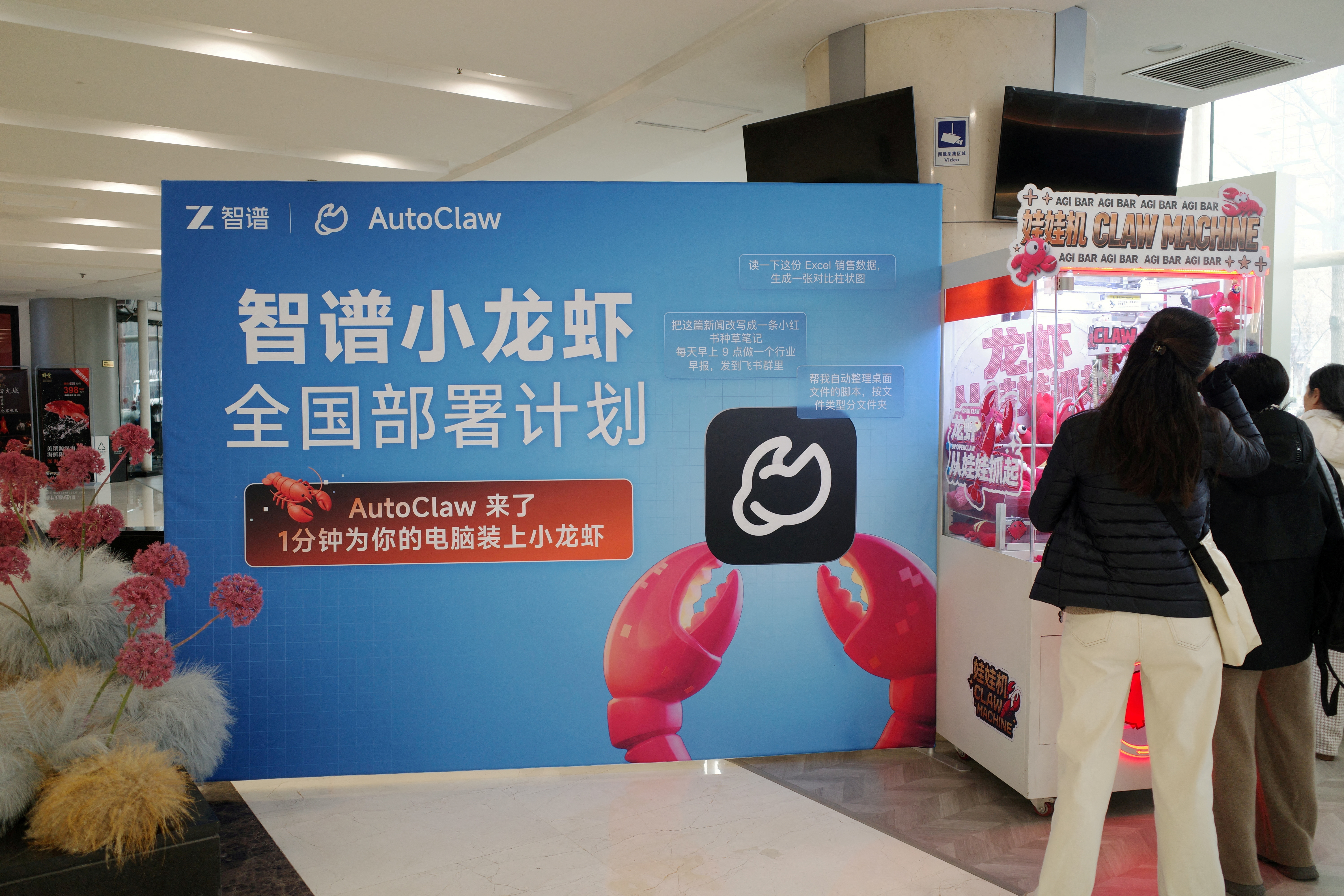
Knowledge Atlas Technology JSC , also known as Zhipu AI, intends to apply for a domestic listing on the Shanghai Stock Exchange's Sci-Tech Innovation Board, the company said.
One of the leading players in China's crowded artificial intelligence sector, Zhipu AI, said late on Monday the proposed issuance of A shares, each with a nominal value of 0.10 yuan, would represent between 2 percent and 8 percent of the company's total share capital, or 9.1 million to 38.8 million shares.
However, it did not disclose the amount it plans to raise from the issue.
Zhipu raised HK$4.35 billion in a Hong Kong initial public offering in January. Its shares have since risen more than 10 times its IPO price of HK$116 per share.
The AI startup's A-share listing follows similar moves by its peers and other Chinese tech companies seeking to capitalise on buoyant investor appetite for AI-related stocks as Beijing pushes to fast-track tech listings.
China's tech-focused Star 50 Index is up 22 percent so far this year.
Robotics firm Unitree obtained approval from the Shanghai Stock Exchange for an A-share IPO on Monday. It plans to raise 4.2 billion yuan in the offering, targeting a US$7 billion valuation, according to sources. Baidu's AI chip unit Kunlunxin, which filed confidentially for a Hong Kong IPO in January, has also started tutoring work in May for a domestic listing, regulatory disclosure showed.
As of May 22, proceeds raised via domestic IPOs in China amounted to US$6.7 billion, up 76 percent from the same period in 2025, LSEG data showed.
Mega offerings by chip giants ChangXin Memory Technologies and Yangtze Memory Technologies are expected to further boost domestic capital markets this year.
Zhipu plans to issue the shares within 12 months of obtaining the registration document from the China Securities Regulatory Commission and will apply for listing and trading on the board upon completion of the issuance.
In addition, the company will change its English name from Knowledge Atlas Technology Joint Stock to Z.AI to align with its operational needs. (Reuters)
Edited by Thomas McAlinden
Zhipu joins Shanghai listing race as AI appetite booms
2026-06-02 HKT 11:25
Share this story


