


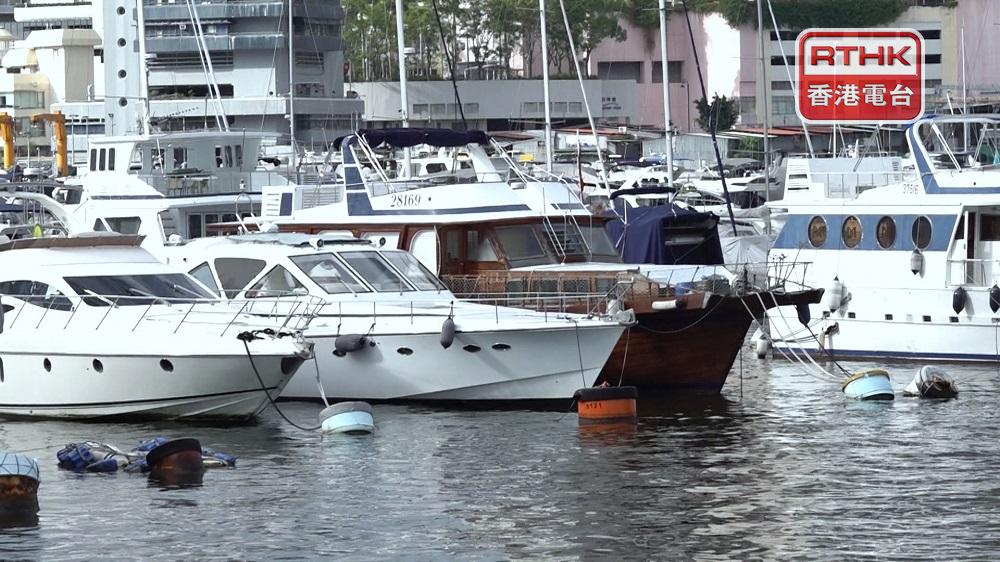
A new policy aimed at allowing yachts from Hong Kong and Macao to enter or exit nine mainland cities in the Greater Bay Area will be a massive catalyst for growth in yacht tourism, said David Norton, vice commodore of Hong Kong Royal Yacht Club, on Tuesday.
His remark came after the SAR on Saturday welcomed the State Council's approval of exemption from the requirement of a guarantee and implementation of temporary ship nationality registration, enabling yachts from both SARs to access the nine mainland cities.
Speaking on RTHK's Backchat programme, Norton said there used to be great financial and administrative hurdles in the past in trying to get boats across the border in the mainland or Hong Kong for yacht races and sailing events.
"It's very difficult for them to bring their boats into China and for our members to get their boats to attend events in the Chinese mainland, so this [new policy] is a massive boost, and the opportunities for cruising around the beautiful Guangdong coast is also a very interesting prospect," he said.
It will also bring greater convenience and more opportunities for yachters to explore the region, Norton added.
He also said the industry was looking forward to more details of the scheme being made available and the city becoming a focal point for people who wish to enter Chinese mainland waters.
Speaking on the same programme, Dennis Kwok from the Hong Kong Institute of Vocational Education said the policy will have spillover effects for other industries as well.
"Not only will the owners travel, they might have their guests, their business partners, and also the maintenance crew, everything that will provide a lot of economic benefits to the tourism industry in Hong Kong," said the head of the department of hospitality at the institute's campuses in Chai Wan and Haking Wong.
Although yachts travelling to Hong Kong might not be great in number, Kwok said, they have a major impact on tourism branding and make the city more unique.
He also said a recent proposal for an operational merger for China Ferry Terminal and the Hong Kong-Macau Ferry Terminal was timely as passenger throughput at these two checkpoints had dropped by 6.5 percent last year.
He suggested that one of the ferry terminals be used as additional location to serve yacht tourists.
Edited by Thomas McAlinden
Yacht tourism boom on horizon as sailing curbs eased
2026-06-02 HKT 13:56
Share this story


