


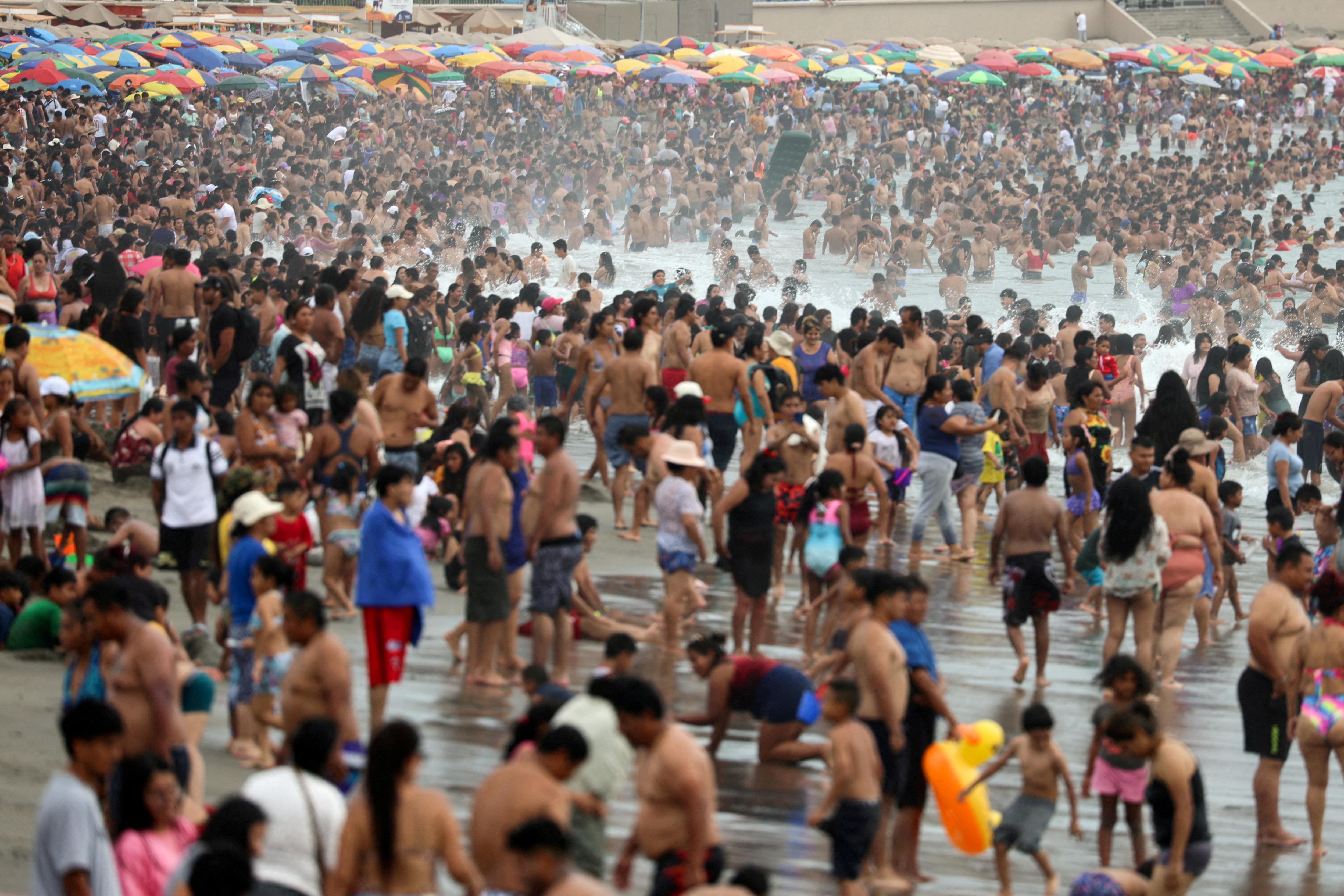
The United Nations has urged the world to prepare for extreme heat caused by the El Niño phenomenon. The body is predicting above-average temperatures in most parts of the world over the next few months.
The UN weather agency says even a moderate El Nino could drive up global temperatures and increase the risk of extreme weather over the coming months.
El Nino is a periodic warming of sea surface temperatures in the central and eastern Pacific Ocean, which typically lasts between nine and 12 months, according to the World Meteorological Organization (WMO).
The WMO said warm ocean waters were driving El Nino’s development and predicted above-average temperatures in most parts of the world from June to August. It said El Nino will likely continue until November.
It remained uncertain on how strong El Nino will be, but officials warned of the need to be ready.
“We need to prepare for a potentially strong El Nino event - which will exacerbate drought and heavy rainfall and increase the risk of heatwaves both on land and in the ocean," said WMO Secretary-General Celeste Saulo.
The weather pattern is known to disrupt regional climates, potentially bringing warmer temperatures across the globe, while increasing rainfall to the southern parts of South America and the United States, parts of the Horn of Africa and central Asia.
El Nino can also cause drought in Australia, Central America, Indonesia, and parts of south Asia, and spur hurricane formation in the central and eastern Pacific, the WMO said.
The last El Nino in 2023 to 2024, which was deemed strong, contributed to making 2024 the hottest year on record, Saulo said.
Saulo said other risks associated with extreme heat included a wider spread of diseases borne by vectors such as mosquitoes and ticks and reduced food and water supplies.
UN Secretary-General Antonio Guterres said it was a reminder of the need for a shift away from fossil fuels towards renewable energy.
“The world must treat it as the urgent climate warning it is. El Nino conditions will pour fuel on the fire of a warming world,” he said. (Reuters)
Edited by Altis Wong
UN urges world to prepare for El Nino's extreme heat
2026-06-03 HKT 09:43
Share this story


Jamie Clarke reports

