


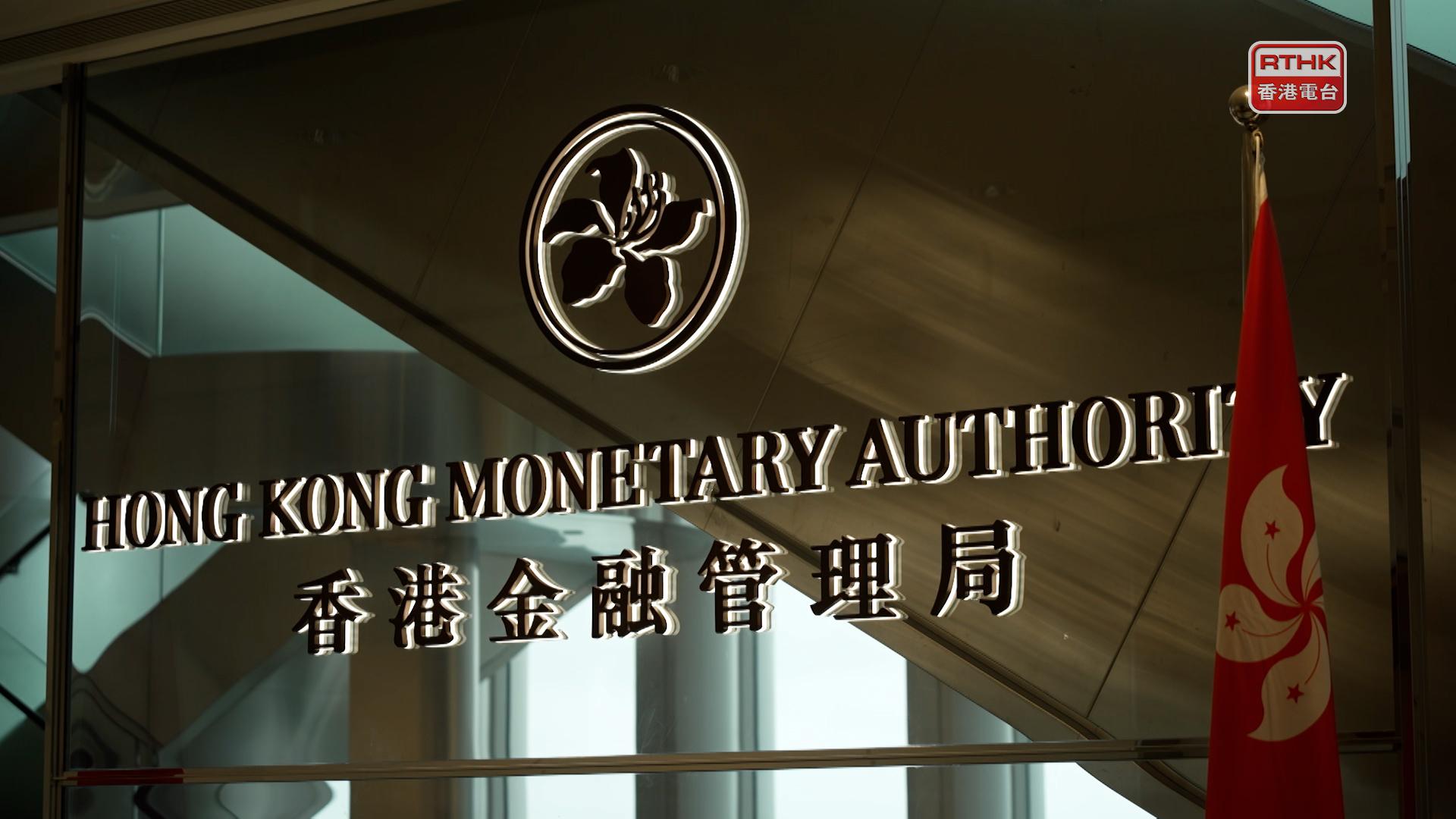
Major commercial banks in the SAR announced on Thursday they are keeping their prime lending rates unchanged.
That came after the Hong Kong Monetary Authority (HKMA) left its base rate unchanged at four percent, hours after the US Federal Reserve held its target rates steady in its first policy meeting under the new chairman, Kevin Warsh.
Following the HKMA move, HSBC and Bank of China (Hong Kong) announced that they were keeping their prime lending rates at five percent, while Standard Chartered said it'll hold its prime lending rate steady at 5.25 percent.
In a statement, the HKMA said the decision by the Fed is in line with market expectations and noted that policymakers at the US central bank are "watchful" over the inflation outlook, as price increases "remained elevated" in the country.
"US interest rate adjustments will depend on developments in inflation, labour market, and other economic data, and may influence the interest rate environment in Hong Kong," the HKMA said.
"The public should carefully manage interest rate risks when making decisions about property purchase, investment or borrowing."
The authority also reiterated that the city's monetary and financial markets have continued to operate in an orderly manner and that it will continue to monitor the market developments.
Under the linked exchange rate system, Hong Kong dollar interbank rates generally track their US dollar counterparts, but the shorter-tenor interbank rates could also be affected by the supply and demand of Hong Kong dollar-denominated funding activities in the local market, such as seasonal factors and capital market activities, the HKMA added.
Earlier, the US Fed had maintained its target rate range at 3.5 percent to 3.75 percent following the fourth meeting of its policy-setting Federal Open Market Committee this year, with votes being unanimous for the first time in one year.
The policy meeting also marked the first by Warsh, who has vowed wide-ranging reforms at the US central bank, as the new Fed chairman.
While the rate-setting committee held rates steady this time, it projected a rate hike by year-end to counter surging inflation.
Edited by Azam Khan
Lending rates remain unchanged at top HK banks
2026-06-18 HKT 14:37
Share this story


