


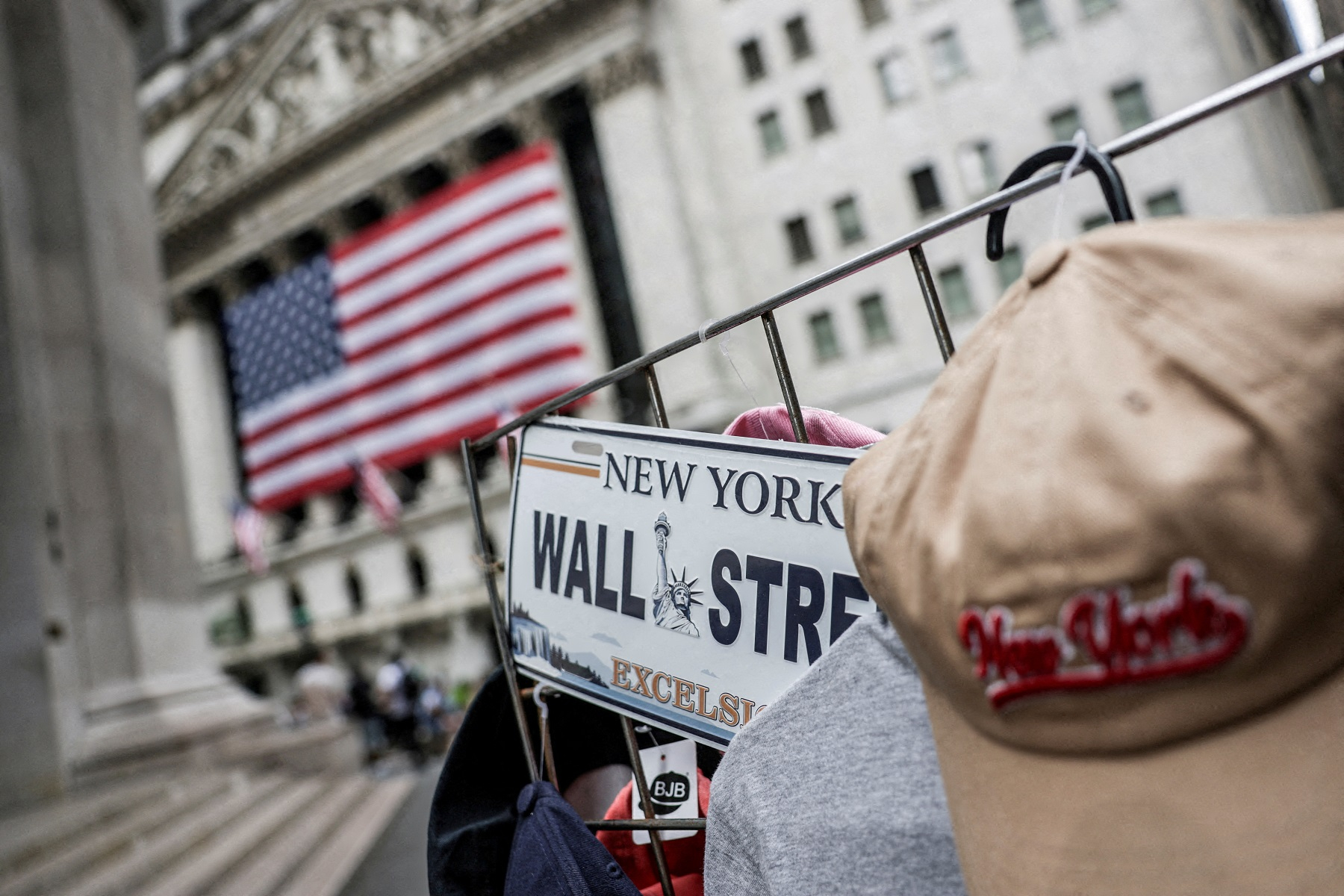
The Nasdaq closed lower on Thursday, dragged down by losses in Big Tech shares, while the S&P closed near flat and the Dow closed higher as investors digested new economic data.
Technology shares reversed early gains to move lower, weighing on the Nasdaq as investors worried about hyperscaler spending on artificial intelligence and who foots the bill. Those fears outweighed upbeat signals on AI demand from Micron and Qualcomm.
The Nasdaq was on track for its biggest monthly decline since March 2025. Apple slid 6.1 percent after hiking prices for iPads and MacBooks to counter surging memory and storage chip costs.
Shares of Nvidia, Microsoft, and Alphabet were also down between 0.5 percent and 3.5 percent. Micron soared 15.7 percent after its earnings and forecasts beat Wall Street estimates. Still, concerns over debt-backed spending by hyperscalers and fears of a more hawkish Federal Reserve kept weighing on the market this week.
"The market realised that one company's blowout earnings and revenues mean someone else is paying the price for that down the line," said Carol Schleif, chief investment officer at BMO Family Office.
"For Micron to generate the kinds of earnings and revenues they do, it's coming out of somebody else's hide."
Memory chipmaker Sandisk also soared 22 percent.
The Dow Jones Industrial Average rose 71 points, or 0.1 percent to 51,920.62, the S&P 500 shed 0.01 percent to 7,357 and the Nasdaq Composite lost 118 points, or 0.5 percent, to 25,358.60.
The US Department of Commerce released a slew of data on Thursday.
US inflation increased further in May, breaking above 4.0 percent for the first time in three years on higher energy prices, and potentially drawing the Federal Reserve closer to raising interest rates.
In response to rising price pressures, traders anticipate the Fed will lift interest rates by at least 25 basis points before the year-end, according to LSEG data.
A final reading of first-quarter GDP data showed the economy grew by 2.1 percent, compared to a prior estimate of 1.6 percent. Meanwhile, jobless claims data showed a higher-than-expected fall in the number of Americans filing for unemployment benefits.
"Inflation came in toasty, like people expected it to, but not super hot," Schleif said. "The suspicion is, with oil prices coming down, you'll see continue to cool somewhat as we go into the summer and fall months." (Reuters)
Edited by Cecil Wong
Wall St ends mixed as big tech declines
2026-06-26 HKT 06:43
Share this story


