


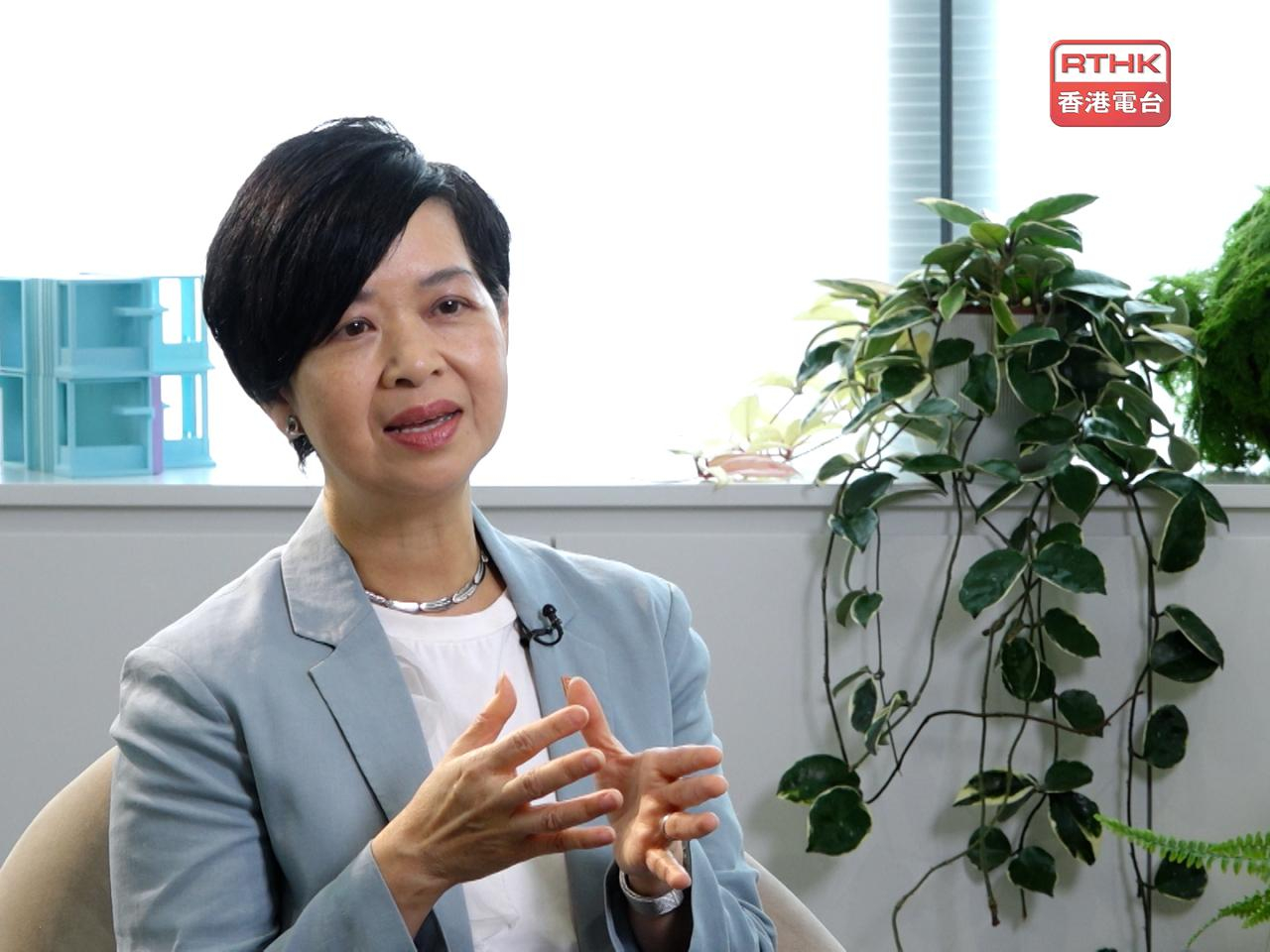
Hong Kong will soon see its first certified "Basic Housing Unit", less than half a year after a regulatory regime on subdivided homes came into force, according to Secretary for Housing Winnie Ho.
Under the Basic Housing Units Ordinance, which took effect in March, subdivided homes can only be leased out after passing a recognition scheme.
To qualify, the property owner must appoint a professional to inspect if the dwelling meets the prescribed safety and size standards.
These include a minimum floor area of eight square metres and a floor-to-ceiling height of at least 2.3 metres. Each unit must also feature a standalone toilet.
Landlords have 36 months to conduct necessary rectifications upon registration, during which the flats can continue to be leased and occupied.
In an interview with South China Morning Post, the housing chief revealed that 19,000 subdivided flats are currently undergoing renovation works across the city.
She added that 15 had completed upgrades and were now seeking official recognition.
"We will have the first Basic Housing Unit certified very soon... It will happen within the next month or two," Ho said.
The minister also outlined the long-term planning for public flats in the Northern Metropolis, describing the mega project as "the answer" for improving quality of life and fostering a healthy lifestyle.
She envisioned homes in the area to offer more space than urban ones, while authorities were planning to boost the supply of larger dwellings.
"In the past, we always talked about not having enough living space... We are now in the five-year plan phase, and we expect flat sizes to increase by about 10 percent [by the end of the period]," Ho said.
"This will allow us to raise the proportion of larger flats from 20 percent to 25 percent, or even higher. This reflects a clear trend as many consider 400 square feet suitable for a basic family."
However, to meet the needs for elderly residents, officials will continue to build smaller units of around 200 square feet, she added.
The housing chief also noted public estates in the Northern Metropolis would be grouped into four clusters and feature architectural designs tailored to specific locations.
For instance, while estates near the technology and innovation hub would adopt a modern design, those neighbouring rural villages would blend in with warmer colour palettes on the exterior facade.
Riverside developments would feature waterfront design elements, while hiking trails would be developed for residences built on mountainous terrain.
Edited by Raymond Yeung
1st certified Basic Housing Unit to come soon: govt
2026-06-29 HKT 12:17
Share this story


