


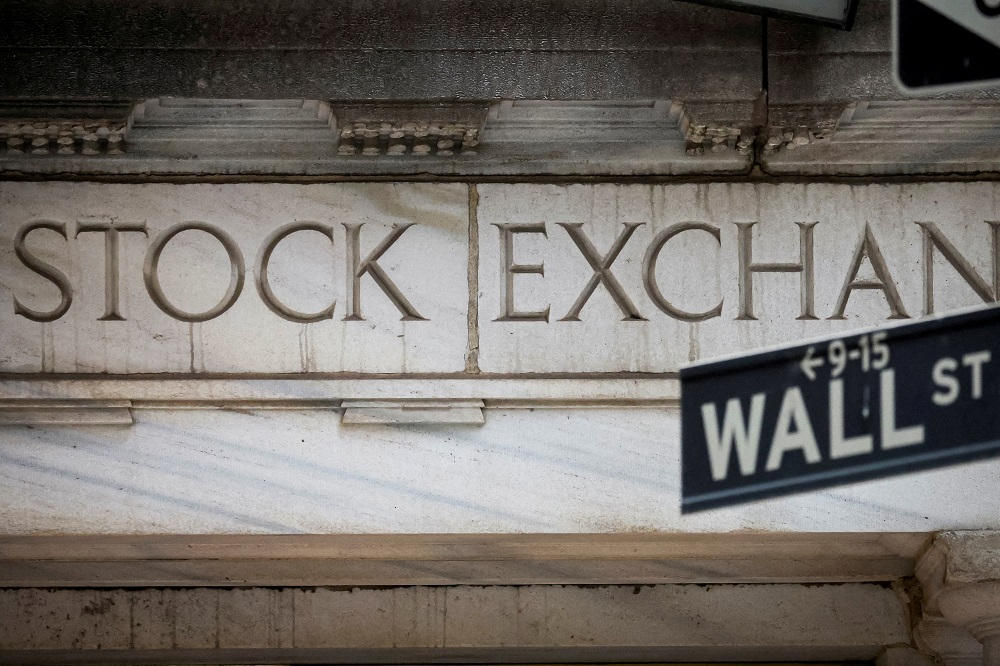
US stocks finished slightly lower on Wednesday as technology shares fell, but gains in Meta Platforms limited the decline in the S&P 500 and Nasdaq.
Chipmakers were among the biggest drags on the S&P 500 and Nasdaq, with an index of semiconductors ending 6.3 percent lower and technology leading declines among S&P 500 sectors.
Lofty valuations and big AI spending by tech companies have been a concern for some market participants.
The key monthly US jobs report is due out on Thursday, with the market closed on Friday ahead of the Fourth of July holiday.
Shares of Meta Platforms rallied 8.8 percent after Bloomberg News reported that it is building a cloud business to sell excess AI computing capacity.
Also providing some support were comments from US Federal Reserve Chair Kevin Warsh that inflation risks had eased recently.
The Dow Jones Industrial Average fell 13 points, or 0.03 percent, to 52,305, the S&P 500 lost 16 points, or 0.2 percent, to 7,483 and the Nasdaq Composite lost 173 points, or 0.7 percent, to 26,040.
Warsh said he will stick firmly to the US central bank's 2 percent inflation target and "disappoint" anyone who expects loose monetary policy despite President Donald Trump's call for interest rate cuts.
Traders slightly pared their rate-hike expectations as Warsh spoke, but they still expect at least one hike from the US central bank this year, according to data compiled by LSEG.
Investors also digested data from the Institute for Supply Management that showed US manufacturing activity had slowed in June but was still solid.
Among the day's other decliners, shares of Alcoa fell 8.9 percent after Australia's South32 agreed to sell most of its aluminium assets to Alcoa.
Elsewhere, oil prices dropped as markets greeted indirect talks between the United States and Iran in Qatar.
The two sides have exchanged fire in recent days despite a memorandum of understanding to halt the Middle East war.
Iran had insisted there would be no direct negotiations in Doha on the deal to end the war.
The Qatar discussions, focused on the details of the MOU, were to "build on the progress made at the Lake Lucerne Summit," said one diplomat on condition of anonymity. (Agencies)
Edited by Cecil Wong
US stocks retreat to open Q3 ahead of June jobs data
2026-07-02 HKT 06:20
Share this story


