


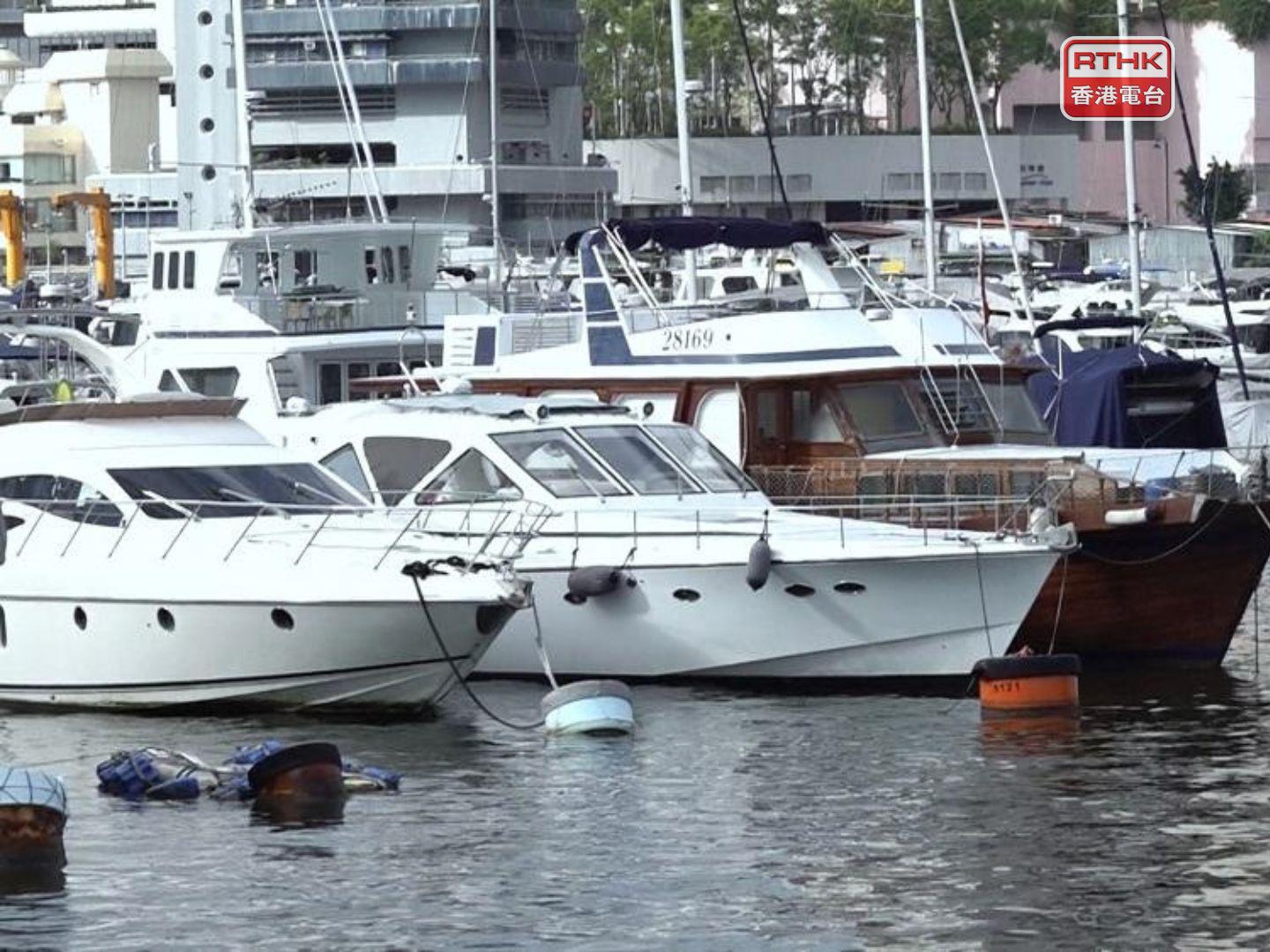
The chairman of the Hong Kong Yachting Association has urged authorities to convert the China Ferry Terminal in Tsim Sha Tsui into a dedicated customs, immigration and quarantine checkpoint for visiting sailors.
Tommy Ho's comments on an RTHK radio programme come in the wake of the Marine Department's move to introduce new cross-boundary facilitation measures for yachters, which include an upgraded online portal that lets owners submit crew and vessel information directly without having to resort to local agents.
But he pointed out that the immigration clearance process still requires visitors to travel to Central for in-person processing – even after the online system has been upgraded.
"It needs to be convenient for yachts to berth, and after berthing, people can just walk up," Ho said.
"It was previously reported that the China Ferry Terminal processed around eight million to nine million passenger trips per year.
"Now only around 800,000 to 900,000 people use it a year – that's a 90 percent drop in usage.
"It's highly suited for use as a CIQ facility, that is as a customs, immigration and quarantine checkpoint. You park your boat there and walk – the terminal has space after all."
Other initiatives include designating anchorage areas in such places as Stanley Bay and Repulse Bay, allowing yachters to moor without needing to book private berths in advance.
Ho welcomed the measure but said the spots lack water and electricity supply.
"I think pontoon facilities are quite necessary," he said.
"If you have a pontoon, you can have water and electricity, and passengers also wouldn't need to take a tender boat to the pier."
Ho said the new measures are a step in the right direction but remain insufficient without proper infrastructure or a revamped immigration process.
He called on the government to set up a cross-departmental task force to coordinate on the issue, adding that until water, electricity and a convenient walk-off clearance point are in place, the measures do not provide enough convenience for tourists – particularly high-value yacht travellers.
Edited by Edmond Fong
China Ferry Terminal floated as official checkpoint
2026-07-02 HKT 12:13
Share this story


