


Asian share markets were mostly firmer on Monday as Wall Street futures started the week with gains on hopes for an upbeat earnings season, while easing oil prices promised relief from inflationary pressures.
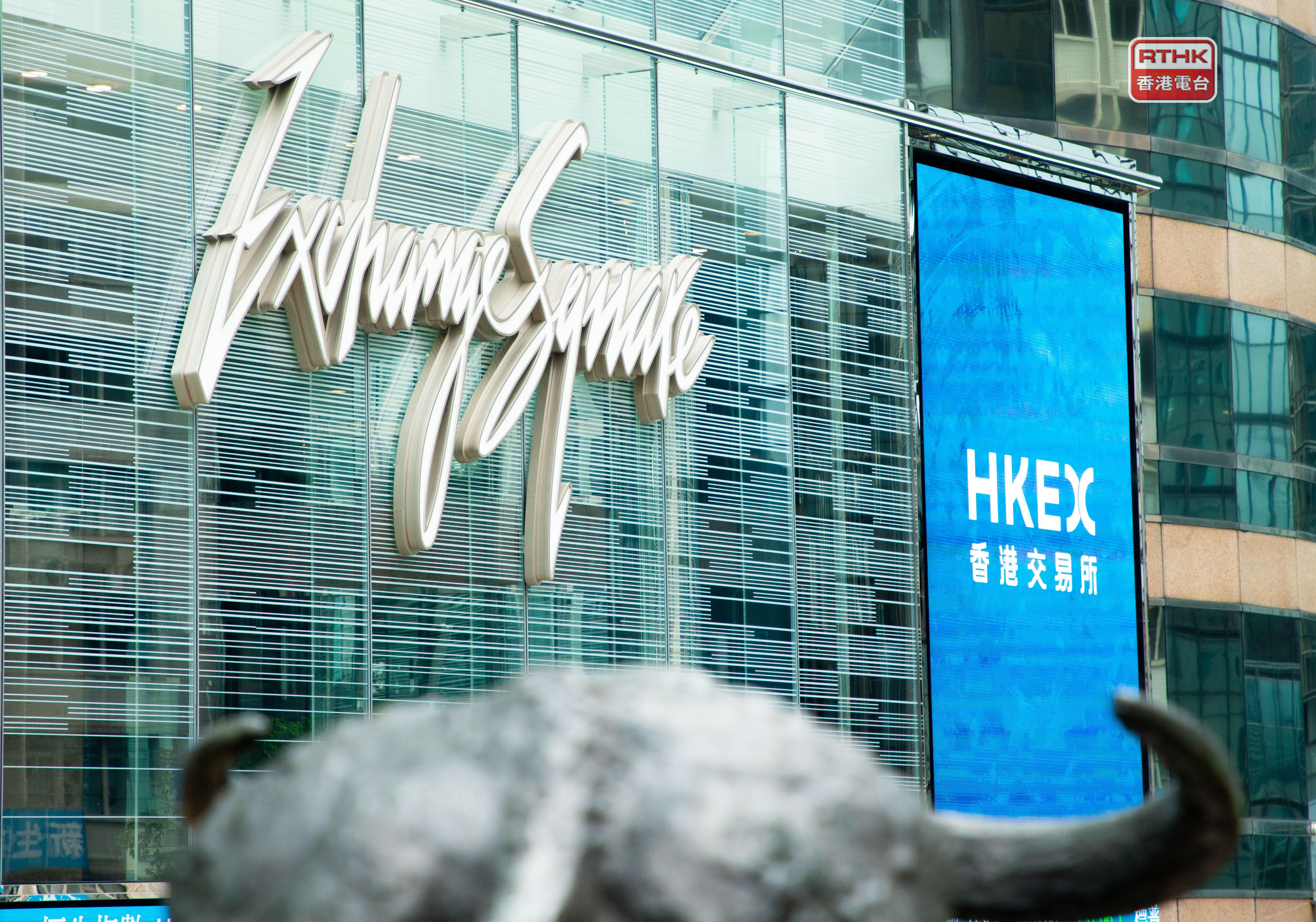
In Hong Kong, the benchmark Hang Seng Index opened up 54 points, or 0.23 percent, at 23,404.
The China enterprises index was up 15 points, or 0.21 percent, at 7,715 while the tech index up 24 points, or about 0.5 percent, at 4,524.
On the mainland, the Shanghai Composite Index opened up 15 points, or 0.38 percent, at 4,059.
The Shenzhen Component Index opened up 80 points, or 0.52 percent, at 15,677 while the ChiNext Index opened up 30 points, or 0.77 percent, at 4,050.
In Tokyo, the Nikkei opened up 229 points, or 0.33 percent, at 69,973 but soon fell into the red to be 653 points, or 0.94 percent, down at 69,090 at one stage before noon.
In Seoul, the Kospi opened up 98 points, or 1.22 percent, at 8,186 before, like the Nikkei, losing ground to be 140 points, or 1.74 percent, down at 7,947 at one stage before midday.
While there were no new developments in the fractious US-Iran peace talks, ships are passing through the Strait of Hormuz with 160 vessels reported from Monday to Saturday.
OPEC+ also agreed a further increase in output targets by 188,000 barrels per day from August, on top of similar increases for June and July. As a result, Brent slipped 0.6 percent to near four-month lows at US$71.70 a barrel and US crude lost 0.5 percent to US$68.38.
The cooling in energy costs combined with a softer US payrolls report led markets to scale back the risk of a Federal Reserve rate hike in the near term, with futures implying a 78 percent chance of a steady outcome at the July 29 meeting.
Minutes of the Fed's last meeting are due on Wednesday and should offer colour on the hawkish turn by some board members, though that preceded the recent slide in oil.
"Even if you thought there was a risk the Fed might move soon, I think we're safe at least for another month," said Richard Yetsenga, head of research at ANZ.
"Our view overall still is the Fed won't do anything, but clearly we've been above target on the Fed's preferred inflation measure for five years. There is some risk that the Fed just runs out of patience." (Reuters & Xinhua)
Edited by Wendy Wong
HK stocks edge up as region opens on firmer ground
2026-07-06 HKT 10:34
Share this story


