


A fertility clinic that was involved in a mix-up of embryo samples said it was notified by an external testing laboratory about the irregularities in May and June.
In a statement, Heal Fertility on Wednesday said the samples were from two couples undergoing pre-implementation genetic testing.
After the clinic was alerted by the Chinese University of Hong Kong (CUHK) – where the testing was carried out – on May 26 and June 4 respectively, it said it had initiated a rigorous re-verification procedure, performed pre-biopsies of the corresponding embryos and genetic re-testing for the couples.
“Investigations have confirmed that the original embryos stored in its liquid nitrogen tanks remain intact and safe, with no errors, mix-ups, damage, or other issues; the irregularity occurred solely during the processing of the embryo biopsy sample,” the statement read.
“The incident has not affected the relevant couples.”
The clinic has set up an internal investigation task force to thoroughly review and optimise all operational workflows.
It is also offering genetic identification testing for free for infants born though reproductive medical services at the clinic.
It added that it had stopped accepting new cases for assisted reproductive services since July 6.
The Council on Human Reproductive Technology, meanwhile, said earlier that it was only notified by the clinic about the incident on June 17.
It has ordered the clinic to suspend most of its services following the case, adding that there is currently no evidence to suggest that any embryos had been mixed up or wrongly implanted into human body.
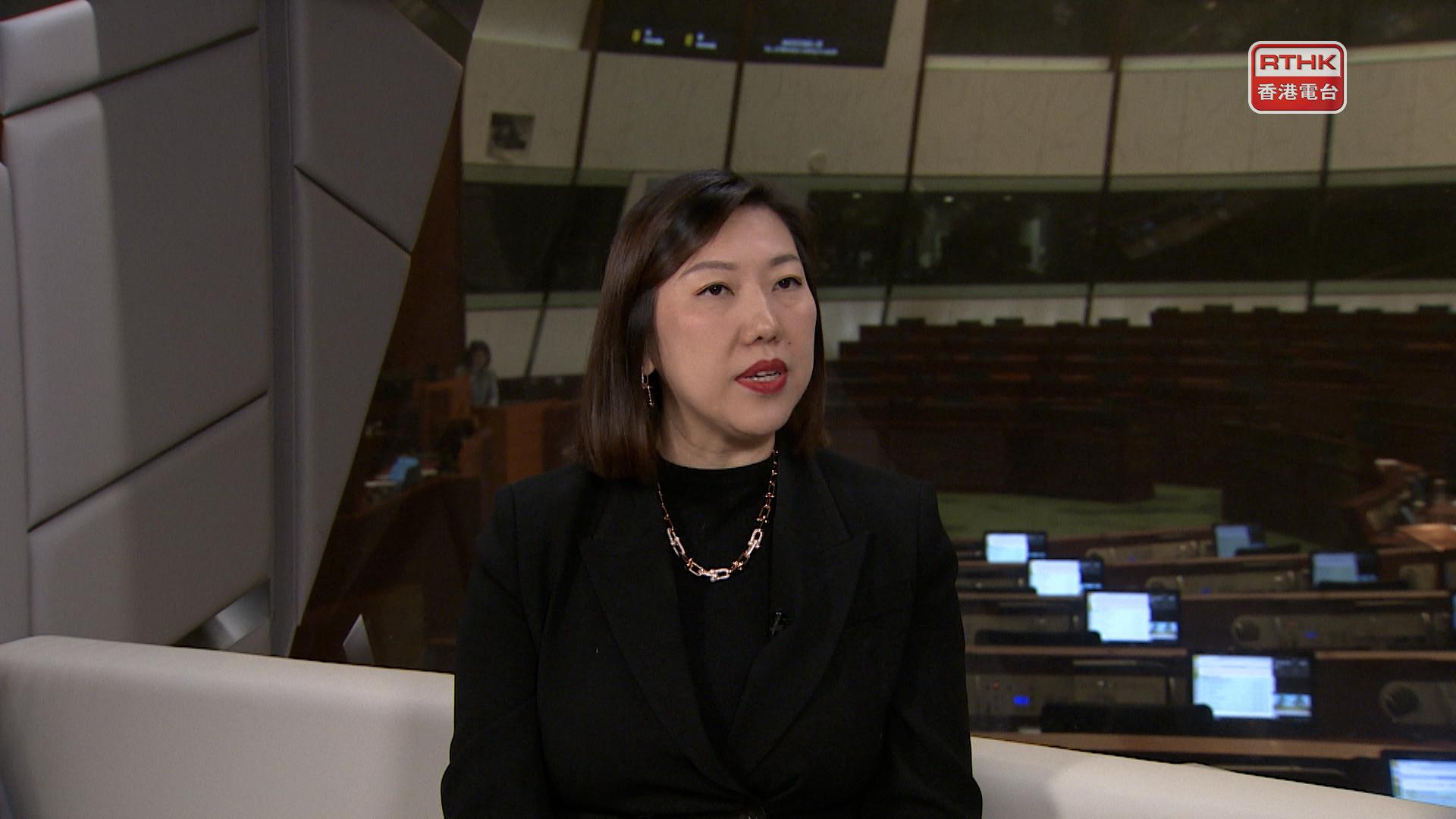
Lawmaker Nixie Lam, whose baby was conceived through in-vitro fertilisation, told RTHK on Wednesday that she was shocked when she learnt about the incident.
She pointed to the need for the council to set up a compulsory reporting mechanism so such cases can be reported as soon as possible, as the clinic did not notify the Department of Health within 24 hours as required.
“I think this sort of incident is pretty much a huge incident that I think is supposed to be reported within 24 hours... [The fact that] the centre itself and also the laboratory in CUHK can have their internal investigation [carry on] for so long before they reported it to the government or also the council, I think that is something really shocking,” she said.
“The government really needs to look into the case and try to rectify the current regulation to impose some sort of compulsory reporting system with immediate effect.”
Lam believes the case would also affect the public’s trust and confidence towards fertility services, particular infertile couples, saying that it is the biggest fear for them to carry embryos that are not biologically theirs.
“Because that is totally something that is out of our control. We trusted the centre, we trusted the procedure, that’s why we go through all those steps,” she said.
“But then as well, we understand a lot of the procedures were done by the laboratory, by the technicians, by the doctors, so that is where we really need to have proper rules and regulations around it to ensure the whole process is safe.”
Another legislator, Yan Chan, for her part, said that if the centre took immediate follow-up actions and reported the incident to the authorities when they were first notified by CUHK in late May, the irregularity in June could have been prevented.
Edited by Tony Sabine
Clinic notified about irregularities as early as May
2026-07-08 HKT 13:26
Share this story


