


South Korea's Kospi led gains across most Asian markets on Friday as a record-breaking US share sale by chip titan SK Hynix breathed fresh life into the tech sector after weeks of selling.
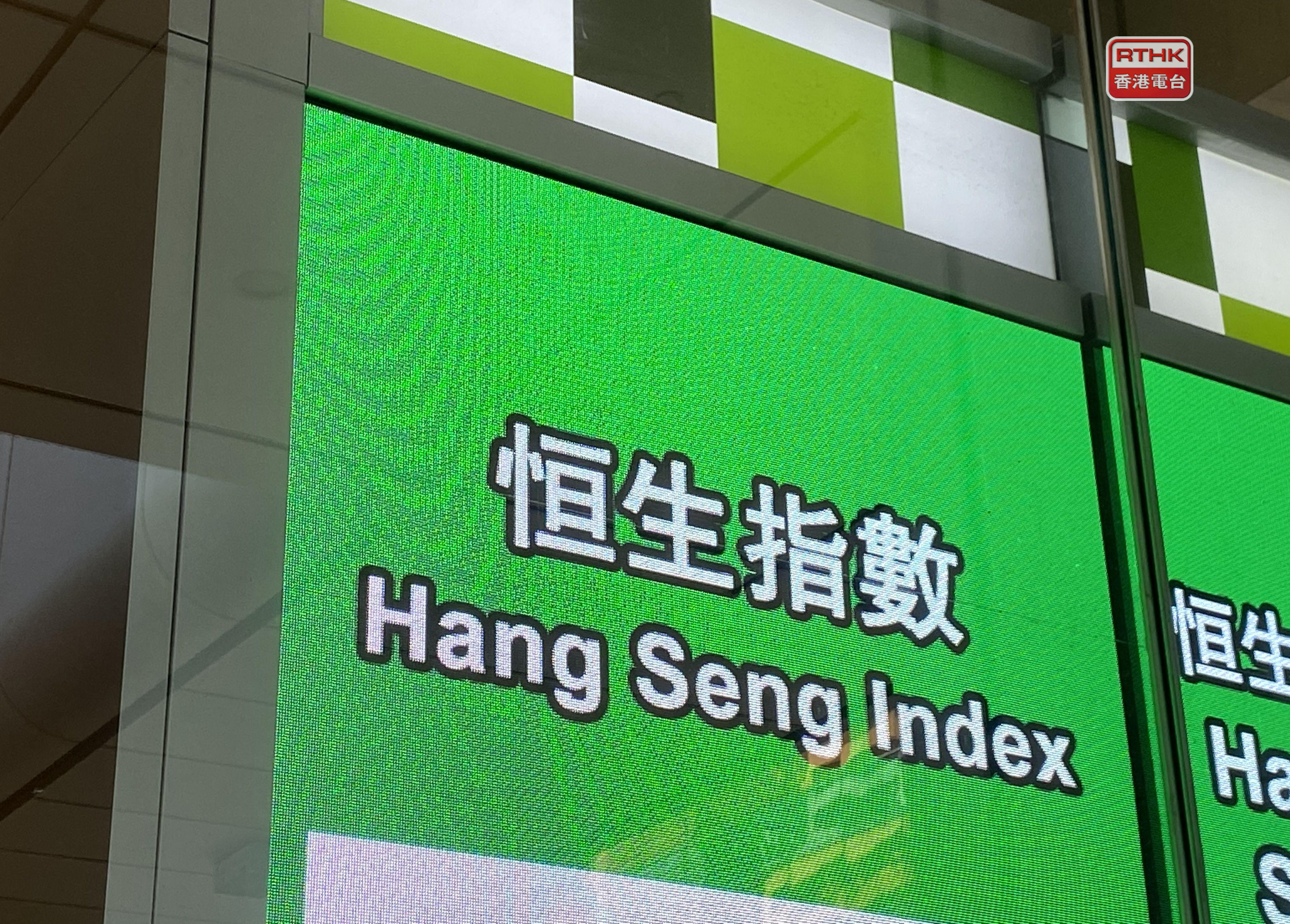
In Hong Kong, the benchmark Hang Seng Index opened up 183 points, or 0.76 percent, at 24,213.
The tech index was up 58 points, or 1.25 percent, at 4,790 while the China Enterprises Index was 68 points, or 0.85 percent, higher at 8,065.
Across the border, the benchmark Shanghai Composite Index opened down 10 points, or 0.13 percent, at 4,031.
The Shenzhen Component Index was 81 points, or 0.53 percent, higher at 15,480 while the ChiNext Index was up 0.59 percent at 4,041.
In Tokyo, the Nikkei was 1,190 points, or 1.76 percent, higher at 68,933 at one stage before noon after opening up 782 points, or 1.16 percent, at 68,526, underpinned by a rally in AI-related stocks as the Japanese bond market and currency also advanced on a potential redirection in the investment strategy of Japan's vast pension funds.
In Seoul, the Kospi opened up 260 points, or 3.57 percent, at 7,552 and was hovering around that level at one stage before midday, led by index heavyweight chipmakers.
The breathtaking US$26.5 billion listing by SK provided some much-needed affirmation to investors that the AI boom remains on course, despite lingering worries about extended valuations and eye-watering capital spending.
The news came as attention turns to the upcoming earnings season, with traders looking to companies' outlook for the industry and investment plans amid expectations that interest rates will be kept elevated for the time being.
SK Hynix set a price of US$149 for each American depositary share (ADS) slightly more than its Seoul closing price on Thursday – ahead of its debut on the Nasdaq on Friday.
That meant it had raised US$26.5 billion, the most for a US listing by a foreign firm.
The company, a supplier of advanced memory chips to industry behemoth Nvidia, has seen profits skyrocket thanks to the global race to build artificial intelligence data centres. (Agencies)
Edited by Aaron Tam
HK stocks rise as SK Hynix share sale buoys region
2026-07-10 HKT 11:09
Share this story


