





With its long daylight hours and large temperature swings, Xinjiang in northwest China has become a key agricultural hub for different types of crops, most notably cotton.
But farmers and factory operators are not stopping there – many have heeded Beijing's call for high-quality development by incorporating automation and innovation to reduce labour costs and drive up efficiency.
As part of Solar Project 2026, RTHK travelled across Xinjiang, talking to people in the cotton industry and learning about their ambitions.
They also showcased a full-fledged production chain, with cotton bolls harvested at local farms processed at nearby factories, turned into fibres, and sent to mills for spinning and weaving.
It all starts in the sprawling cotton fields that span the region.
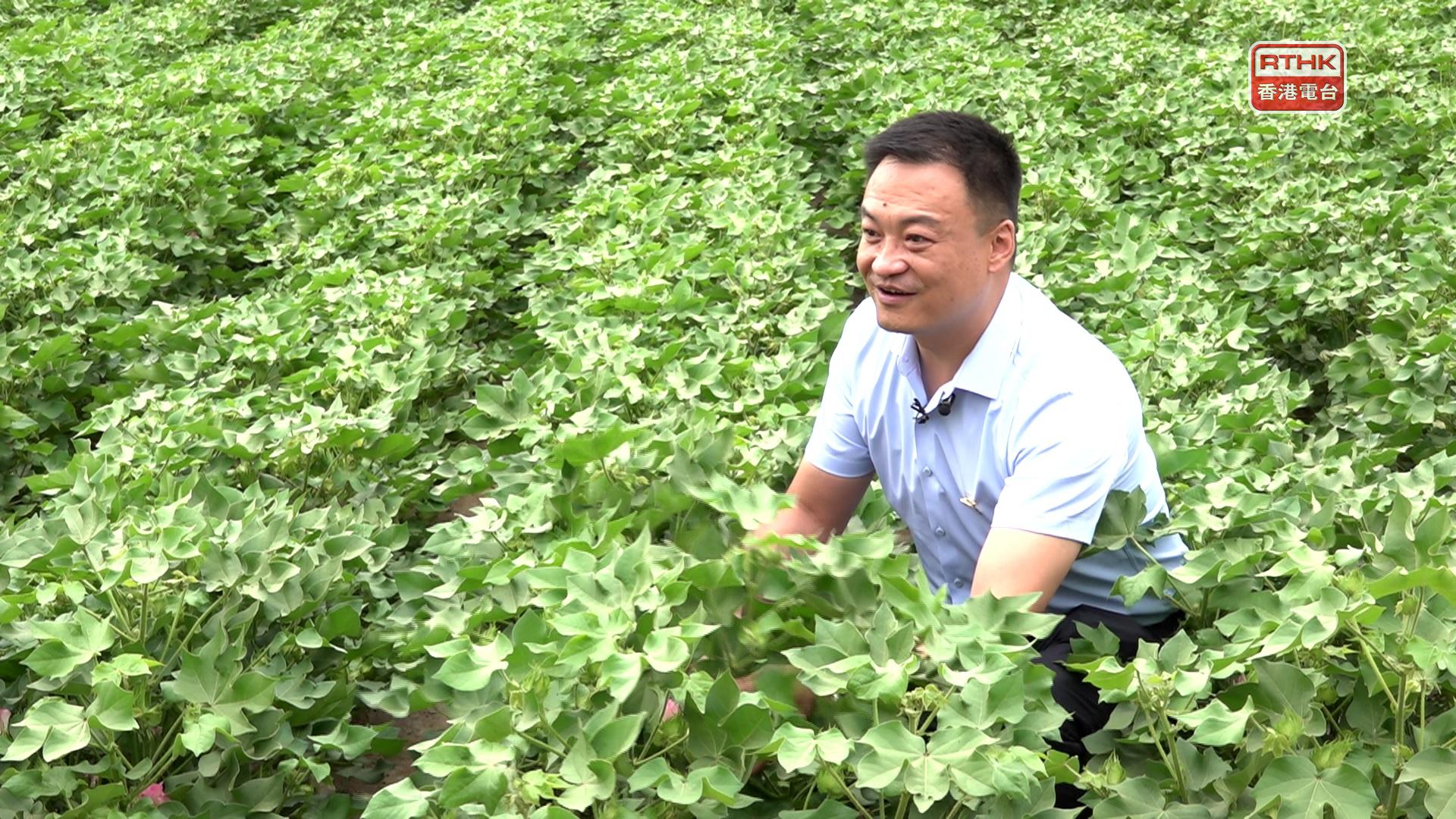
Zhao Xin, the president of a local tourism association, owns more than a square kilometre of cotton fields in Shihezi city in northern Xinjiang.
"Xinjiang, of all places across the country, is where the sun sets the latest.... It has very long daylight hours here, and the accumulated temperature is very high," he said.
"That's why our fruits and vegetables taste good and grow well. Heat-loving crops like cotton are most suitable for Xinjiang."
Zhao also hit back at claims of forced labour at Xinjiang's cotton industry, saying his farm is fully automated – from seeding and watering to pest control and harvesting.
"There's no such thing as forced labour. As I've just said, with all the agricultural machinery in place we've completely eliminated manual labour. What is there to deprive of the workers? Once the machines are programmed, they operate automatically."
Zhao's cotton farm is not the only place to incorporate automation.
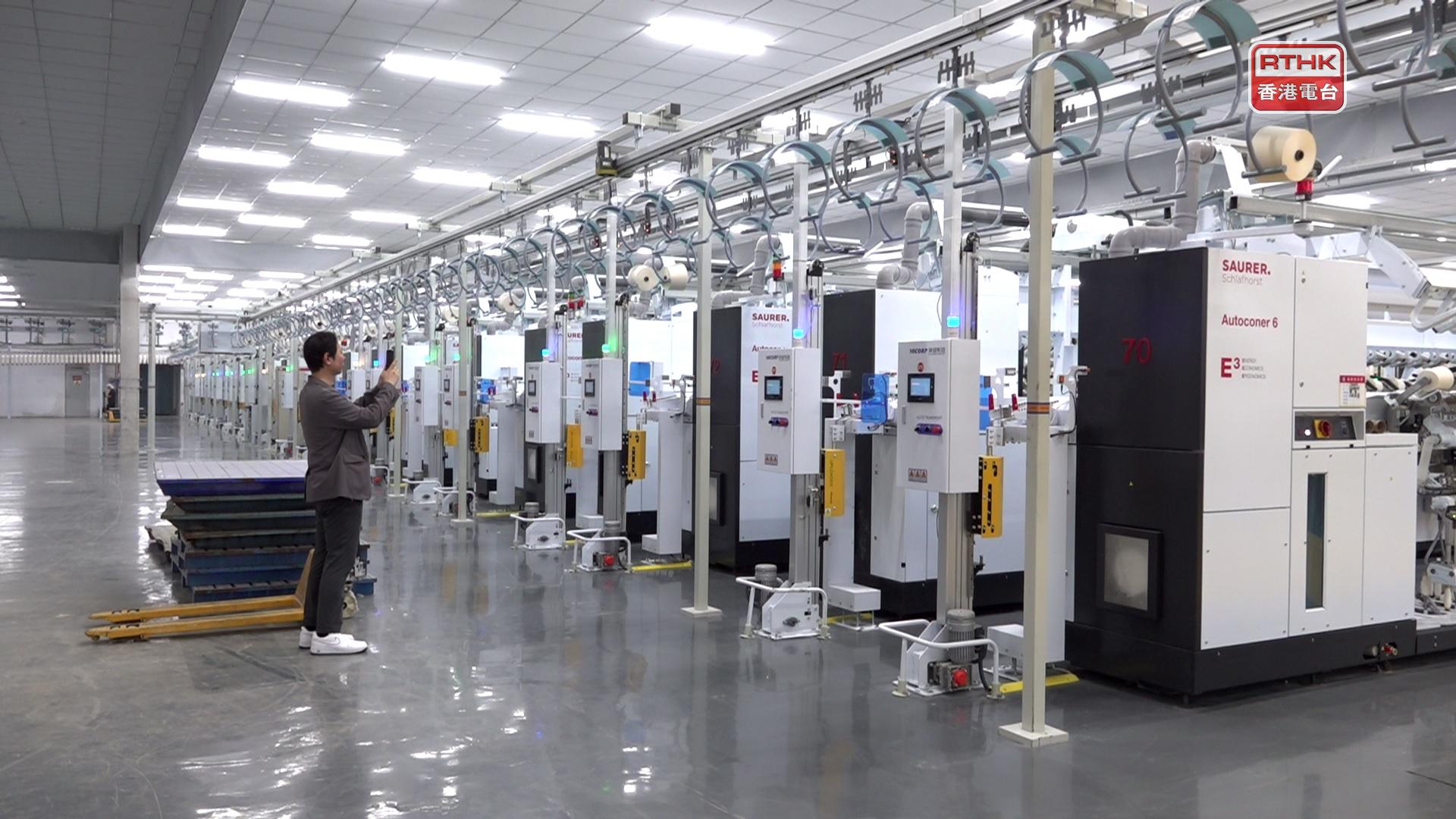
RTHK then visited a processing factory where cotton bolls are processed into yarn. Though the whirring sound of machines ring through the indoor facility, workers are rarely seen on the factory floor.
The head of the facility, Kang Lingfeng, said they have managed to cut down the headcount by more than half after automating the production line.
"Traditionally, a factory like this requires 900 to 1,000 workers. By comparison, we need 750 less workers here," he explained.
"So by comparison, our output has increased with less labour, meaning our efficiency has been raised."
While the industry is highly-skilled and self-sufficient, some say they can still use outside help.
Liu Zhen, who runs a dye factory, says he has introduced waterless dyeing technology from Hong Kong's Esquel Group to make his production chain more eco-friendly.
"Our collaboration with Esquel is now mainly focused on the area of technology output. The dyeing industry is quite a polluted one, mainly water pollution," he said.
Xinjiang does not have abundant water resources, Liu added, so he hoped to develop his business using a green approach with sustainability in mind.
Edited by Aaron Tam
Automating Xinjiang's cotton, from farm to thread
2026-08-03 HKT 19:13
Share this story


