




Colombia's president declared an economic emergency on Wednesday and vowed the country would rebuild after a massive earthquake that he said had now killed 265 people.
"We will do what is necessary," Abelardo de la Espriella said in a statement, vowing to "emerge again as a country and as a society" following Monday's 7.4-magnitude quake that also injured almost 3,500 people.
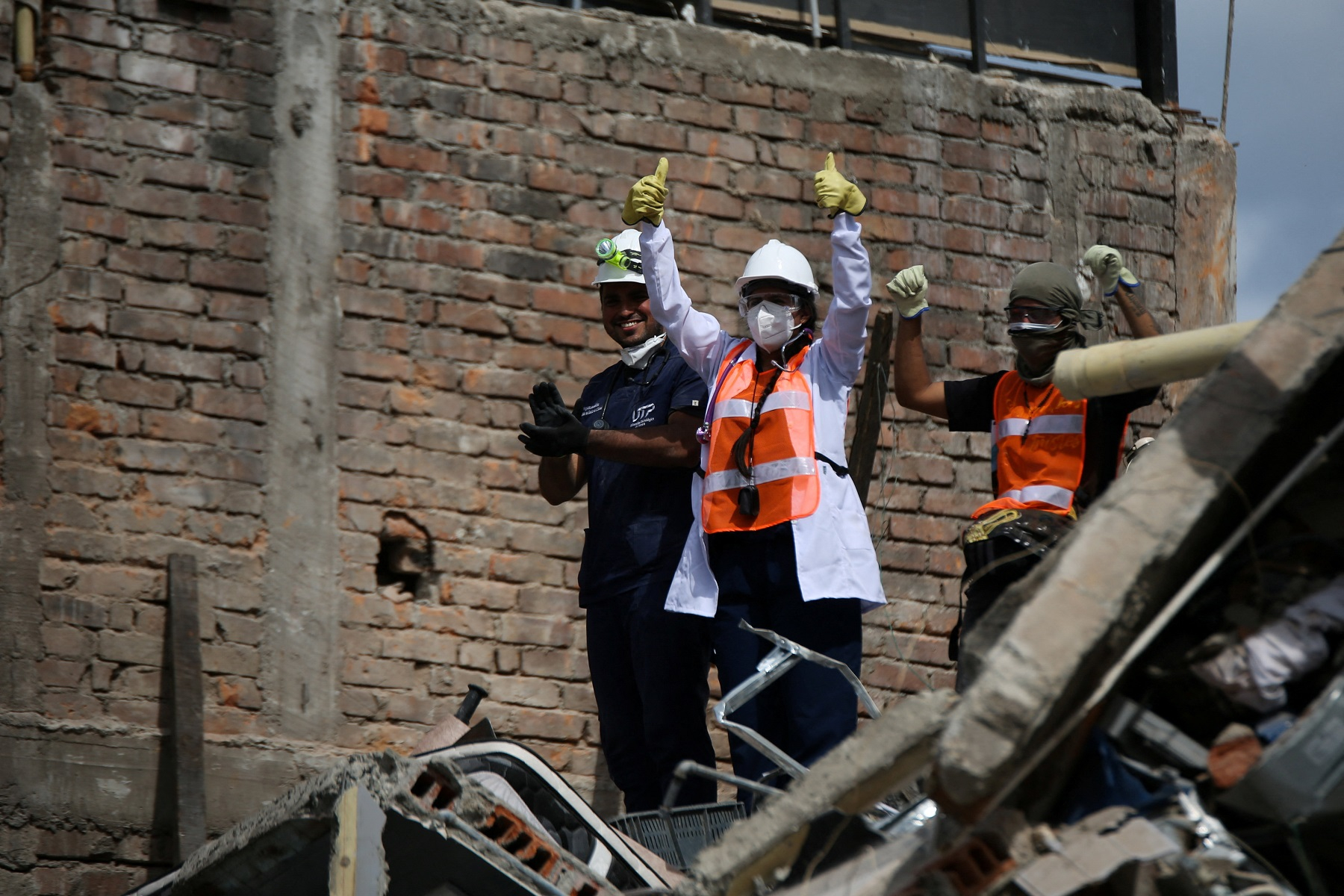
Colombian rescue teams were still racing to find survivors still trapped beneath collapsed buildings two days after the powerful tremor devastated communities across the nation's western valleys and coffee-growing region.
"We are in a race against time to save lives," Cali Mayor Alejandro Eder told reporters, warning that less than a day was left in the critical 72-hour window during which there are far greater chances of finding quake survivors.
"We will keep working after this window, but it is important to rescue the most people we can in this day we have left," he said, adding that rescue workers needed silence in order to detect survivors under the mountains of rubble.
Official estimates suggest the 7.4-magnitude quake, which struck the South American country just after 7am local time on Monday, also injured 3,770 people, destroyed more than 9,550 homes and impacted more than 30,300 families.
In Cali, Colombia's third-largest city, 56 buildings collapsed, killing at least 95 people and injuring close to 1,000 others, according to data from Asocapitales, the country's capital cities association.
Pereira, deep in the coffee-growing region and some 55 kilometres from the quake's epicentre, counted at least 79 dead, according to Asocapitales. The mayor's office said 300 people were missing.
German Bahamon, the head of Colombia's coffee federation, said ports in Buenaventura have paused operations while inspectors evaluate the impact of landslides on key roads, but "exports continue as usual, mainly through Caribbean ports."
Colombia is the world's third-largest coffee producer, and hundreds of thousands of families rely on the sector.
The earthquake struck just days after the inauguration of President de la Espriella, who won a narrow victory against the candidate of the prior leftist government on a platform centred on less public spending and tougher security.
He travelled to the affected regions early this week and pledged aid to those who lost homes and businesses due to the quake. Several local mayors have announced nightly curfews, citing the possibility of looting.
Colombia's Foreign Minister Omar Bula rejected reports that the government had turned down international offers of aid, saying his office was coordinating the delivery of shipments that began arriving from Peru, Mexico and El Salvador.
The head of Topos Azteca, a Mexican search-and-rescue team, said in a video message that he had arrived straight from Venezuela, which suffered devastating twin quakes at the end of June.
Rescue efforts in Cali were concentrated around seven buildings that might still hold survivors.
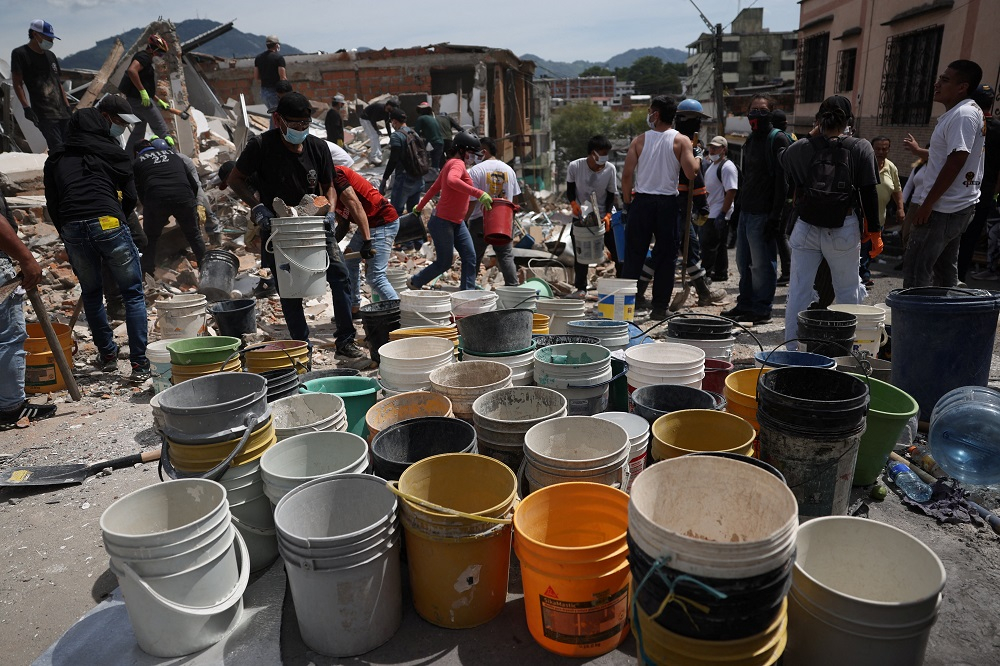
At the Torres del Limonar complex in the southern part of the city, residents formed long bucket brigades with soldiers, employees of the mayor's office and others, handing down rubble from the peak of the debris.
Camilo Cano, a fire department official from Bogota, said rescue efforts were more organised after police began restricting volunteers, which helped reduce noise and vibrations and allowed sensors to better detect movement under the debris.
He said the possibility of a serious aftershock posed risks to any large crowds, even as family members of those still trapped under the building waited anxiously nearby for news. (Agencies)
Edited by Cecil Wong
Colombia earthquake death toll rises to 265
2026-08-13 HKT 07:16
Share this story


