


Asian stocks mostly rose on Friday, poised for their strongest week in two months as benign inflation data dented expectations of an imminent US rate hike, although faltering talks to end the war in the Middle East are likely to keep risk sentiment in check.
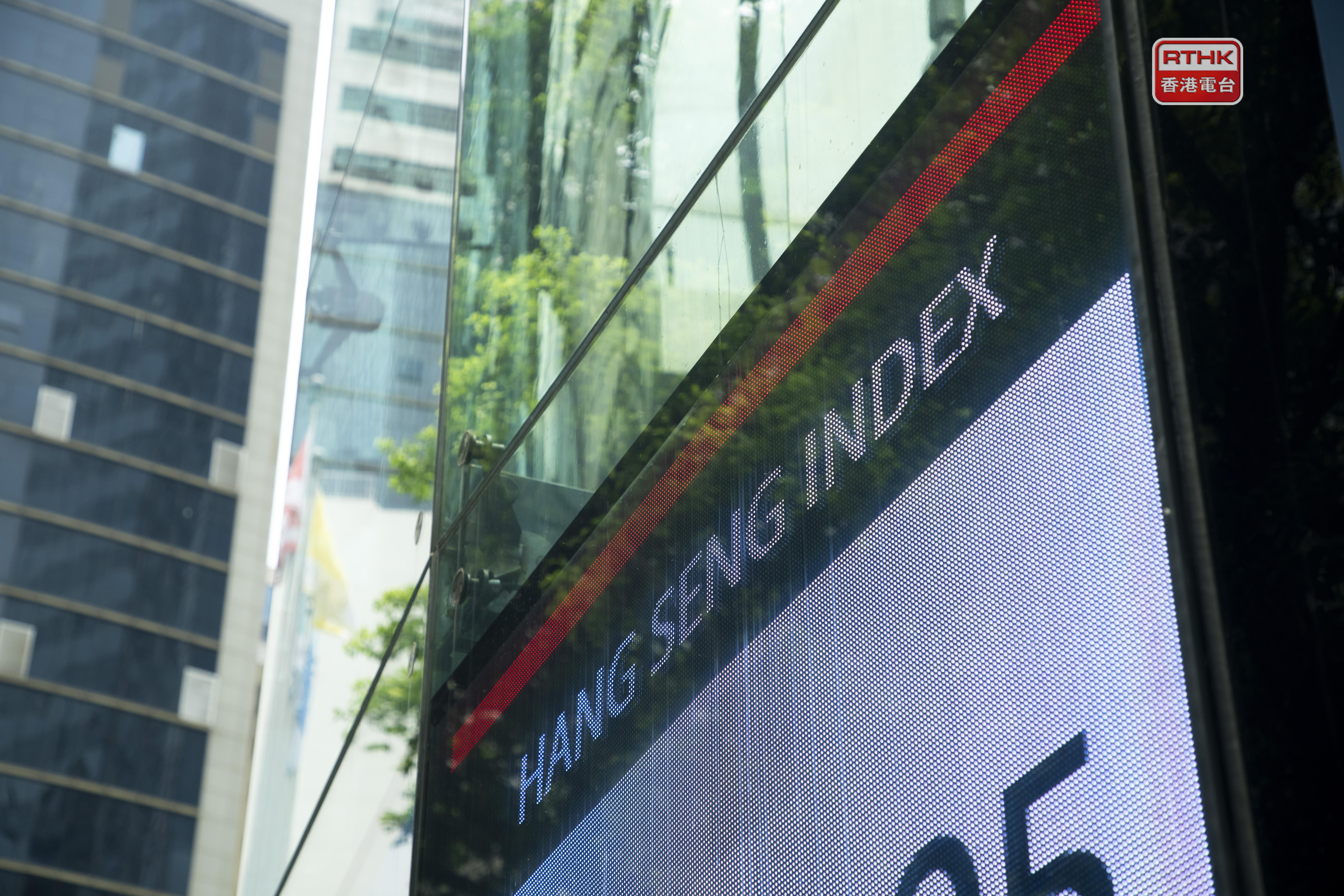
In Hong Kong, the benchmark Hang Seng Index opened down 177 points, or 0.7 percent, at 25,219.
The China enterprises index was 50 points, or 0.59 percent, lower at 8,376 while the tech index edged down 28 points, or 0.6 percent, to 4,763.
Up north, the Shanghai Composite Index inched up three points, or 0.08 percent, to 3,930.
The Shenzhen Component Index was 45 points, or 0.32 percent, higher at 14,335 while the ChiNext Index was up 24 points, or 0.67 percent, at 3,610.
In Tokyo, the Nikkei opened up 502 points, or 0.74 percent, at 68,811 and was set for a gain of over 5 percent. The 225 benchmark was 550 points up at one stage before noon.
In Seoul, the Kospi looks set to snap a seven-week decline on Friday, rising to its highest level in three weeks as chipmakers gained on AI optimism after opening up 182 points, or 2.68 percent, at 6,995. However, its opening gains were halved at one stage before lunch to put the benchmark 98 points up.
Brent futures steadied at US$87.03 per barrel after a drop on Thursday but were set for a 4 percent weekly gain, snapping a two-week losing streak, after the United States threatened to ramp up economic pressure on Iran, including extending a naval blockade.
Markets have so far shrugged off the lack of progress in ending the Iran war, instead focusing on the broad AI theme and the global monetary policy outlook.
US inflation reports this week suggested pricing pressure remained under control, lowering the odds of a rate increase from the Federal Reserve next month.
Charu Chanana, chief investment strategist at Saxo, said risk appetite can hold for now because the immediate Fed hike risk has been repriced lower, noting softer oil is also helping.
"But this is still a headline-driven rally rather than a clean risk-on regime," said Chanana. "Without clarity on the Middle East/Hormuz, another oil spike could quickly revive inflation and Fed concerns." (Reuters & Xinhua)
Edited by Edmond Fong
Hong Kong stocks open lower
2026-08-14 HKT 11:01
Share this story


