


Hong Kong’s sports industry generated HK$46 billion in new economic value in 2024, accounting for 1.5 percent of the city’s total output, according to the Census and Statistics Department.
In an article published on Monday, the department noted that sports and related activities contributed HK$70 billion to the gross domestic product — representing 2.2 percent of the market-price total.
This share slipped marginally by 0.1 percentage point compared with 2023.
The industry employed roughly 84,000 people in 2024, representing 2.3 percent of total employment — a proportion largely unchanged from the year prior.
Breaking the industry down by domain, the operation of sports facilities and clubs — including sports education — accounted for a large segment, contributing 35 percent of total value added.
It was also the biggest employer, providing jobs for 39,000 people, or 47 percent of the industry’s workforce.
Separately, the manufacturing and trade of sports-related goods contributed 20 percent of value added and employed 16,000 persons, equivalent to 19 percent of the total workforce.
The sports tourism segment — covering retail, accommodation, and food and beverage services for visitors attending or competing in local events — accounted for five percent of value added and supported approximately 6,000 jobs, or seven percent of sector employment.
Reacting to the figures, DAB lawmaker Vincent Cheng said he was encouraged by the industry's sustained growth.
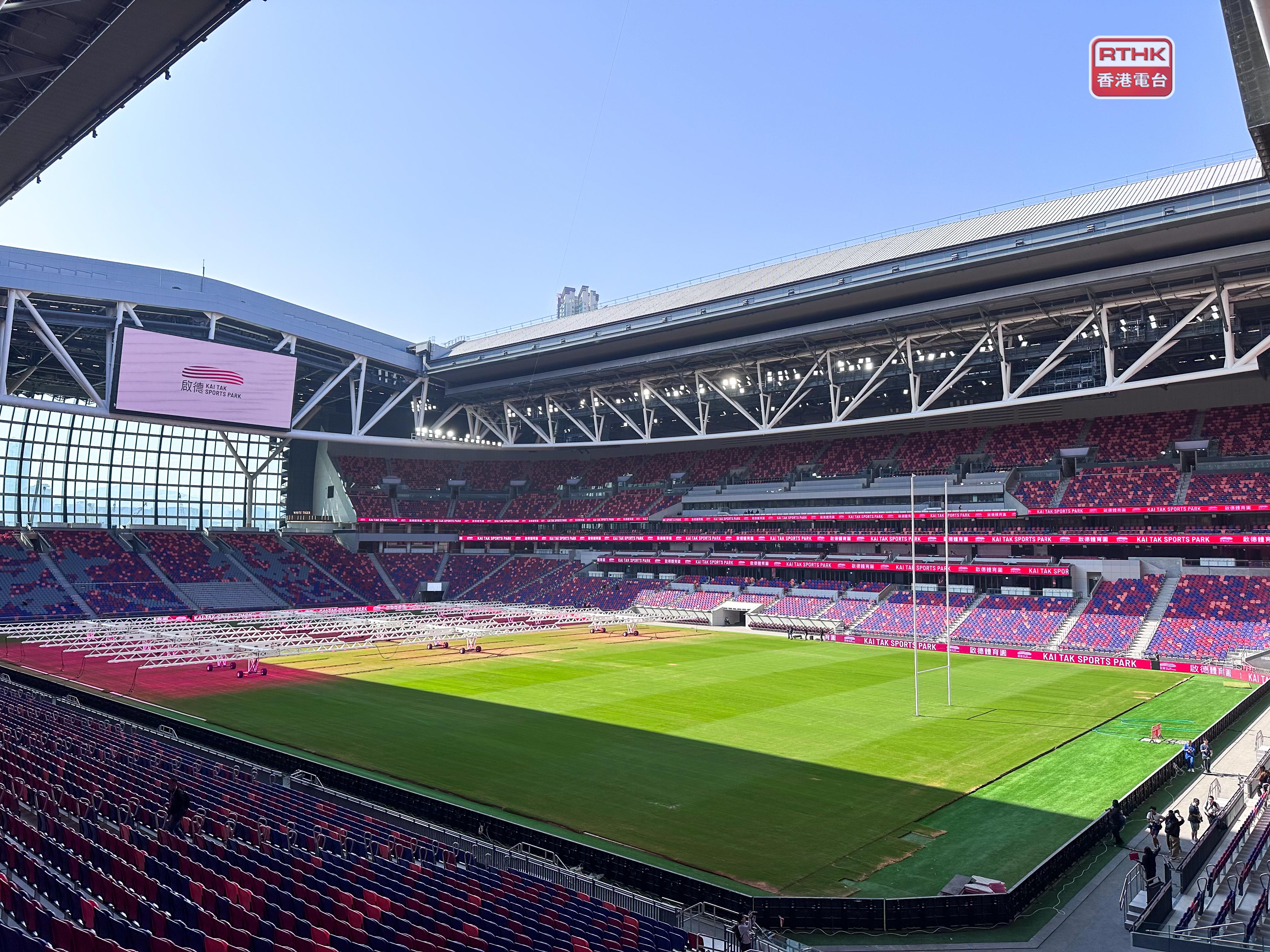
He noted the data had yet to fully capture the economic benefits from the newly opened Kai Tak Sports Park in 2025 and expressed optimism that hosting more international events would further boost the sector.
Cheng urged the government to build on the current momentum by introducing targeted support for small and medium-sized enterprises — such as financing assistance and tax incentives — to help them seize emerging opportunities.
He also called for stronger cross-sector promotion of sports-related tourism products to revitalise local district economies, and stressed the need for systematic talent development to sustain the industry’s long-term growth.
Edited by Tony Sabine
HK sports sector generates HK$46b in 2024
2026-08-17 HKT 16:46
Share this story


