




One of Ben Wong's clients is an elderly man who shunned others after his dog died.
"At his home, there were only some instant noodles and alcohol," Wong spoke about his client's sense of isolation.
The volunteer "link worker" noted it took him some time to gradually get the man to open up, revealing more about himself and his beloved four-legged companion.
Among the activities planned was a funeral to allow his client to bid farewell to his dog.
Accompanied by Wong, he also met with other dog owners and went to parks and markets.
"We also took the elderly man to the district elderly community centre, and he even did rehearsals for the centre's Christmas party," Wong said.
"He also started to do hotpots with other senior residents and said hi to his friends."
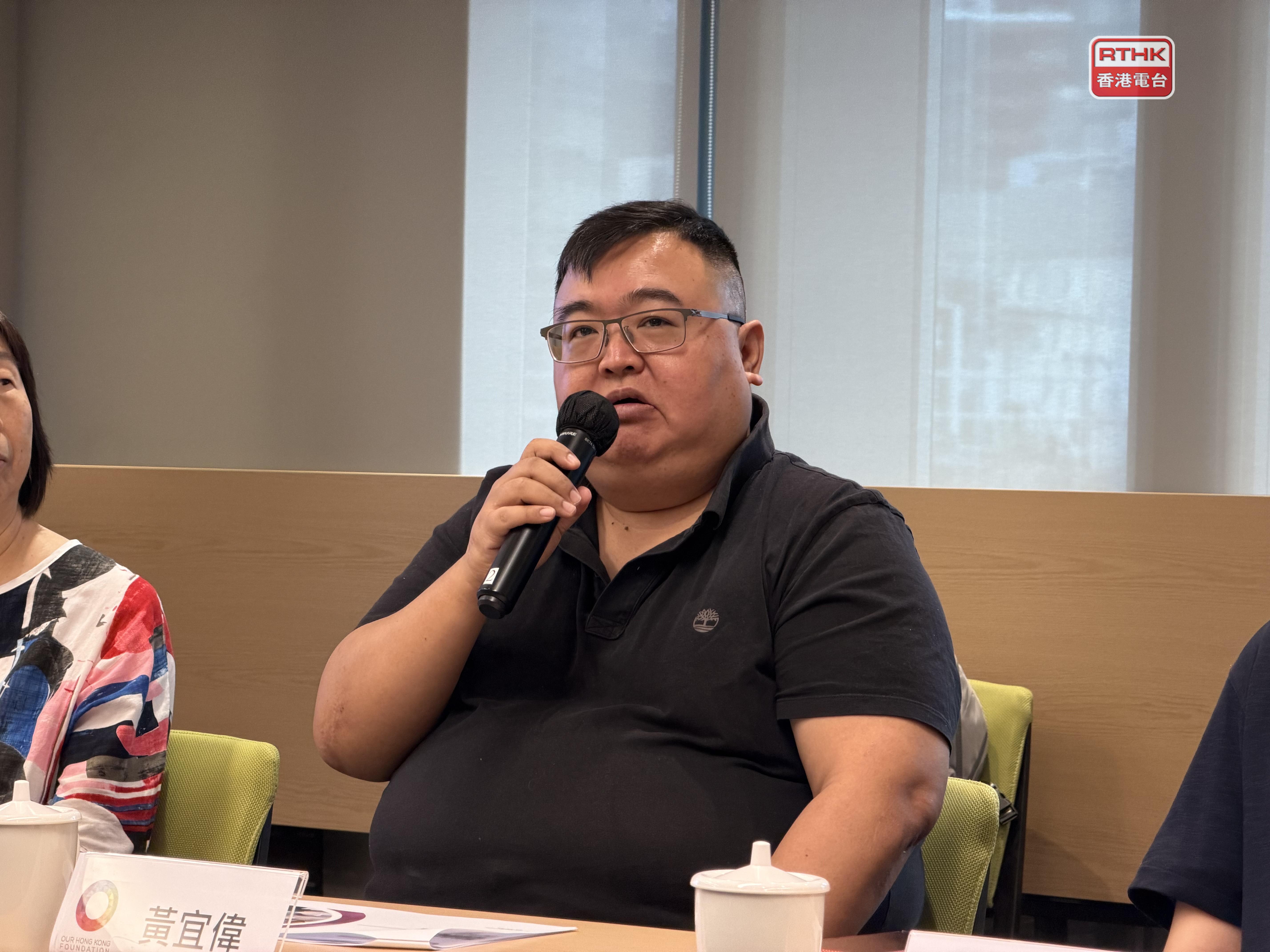
Wong, who's in his fifties and an accountant by profession, is training to become a volunteer "link worker" to help elderly people fight their loneliness by linking them with the appropriate activity resources.
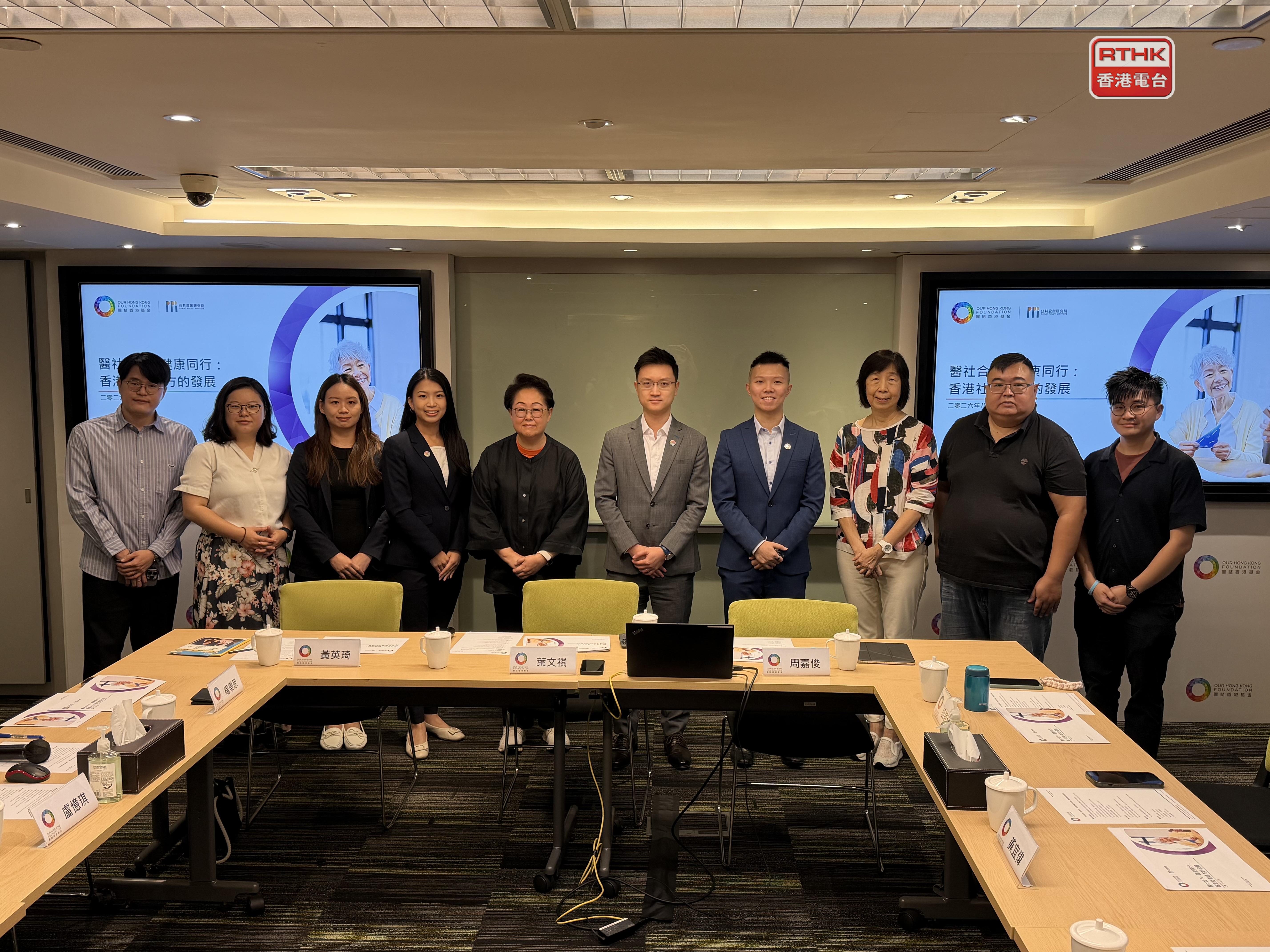
He is among a batch of 60 "link workers" under a programme that offers "social prescriptions" for some 300 senior citizens in New Territories East, including Tin Shui Wai, Tuen Mun and Yuen Long.
"Social Prescribing Lab 2.0", to be launched next year, was organised by Make A Difference Institute, the city's first community-initiative public services innovation lab, to provide personalised services for those in need.
The group said Hong Kong is grappling with a "loneliness epidemic", with one in five people reporting they feel lonely. That's higher than the global average of 16 percent.
Roughly 520,000 Hongkongers also noted that they are "self-isolating", unwilling to confide in family, friends or even AI, according to surveys.
"[For] many of the senior residents, actually they don't have the physical illnesses, what they really need is the 'social prescribing' to help them cope with loneliness," the institute's chairwoman Ada Wong said.
Dicky Chow, assistant research director of the think tank, Our Hong Kong Foundation, highlighted the differences between social workers in general and these "social prescribing link workers".
He said while social workers offer various types of services, "link workers" bring their clients to the actual social venues or help them access social resources.
"'Social prescribing' is actually serving as a bridge between medical and social sectors," Chow said.
"It's connecting the social sectors with the healthcare sectors, but at the same time, it is not [done] through just referrals, but more about accompanying the elderly, the patients... go through the whole journey with them.
"And this is particularly helpful in solving a lot of health concerns, especially loneliness and chronic diseases, because they're actually affected by social determinants of health instead of just treating it as a clinical issue."
The foundation also noted that its latest research found that "social prescriptions" can help people reduce the sense of loneliness by 51 percent, while studies in the UK found the general clinical consultation rate could be lowered by 28 percent.
Ryan Ip, vice president of Our Hong Kong Foundation, urged the government to put "social prescribing" into its policy agenda as the city's first-ever five-year plan as well as the chief executive's Policy Address are being drafted.
"Currently, we have the primary health blueprint, but it's more on medical focus. It's a lot less on medical-social collaboration," he said.
The foundation also said the government could consider setting up city-wide professional training and qualification frameworks for such roles, so as to cultivate more such talent to help tackle chronic illnesses associated with loneliness.
Edited by Edmond Fong
'Link workers' help fight elderly loneliness
2026-08-24 HKT 20:32
Share this story


Our Hong Kong Foundation's Dicky Chow speaks to Chloe Feng

