


US President Donald Trump on Monday threatened to raise US tariffs on all cars, trucks and automotive parts from Canada to 50 percent starting January 1, 2027, escalating a trade fight after negotiations collapsed last week.
The trade deal on the table would have cut the top-line tariff rate on Canadian cars and light-duty trucks from 25 percent to 15 percent and the tariffs on aluminium and steel from 50 percent to 25 percent, but the deal fell apart on Friday over a number of points of contention, including whether the US tariff relief would have applied to medium- or heavy-duty trucks.
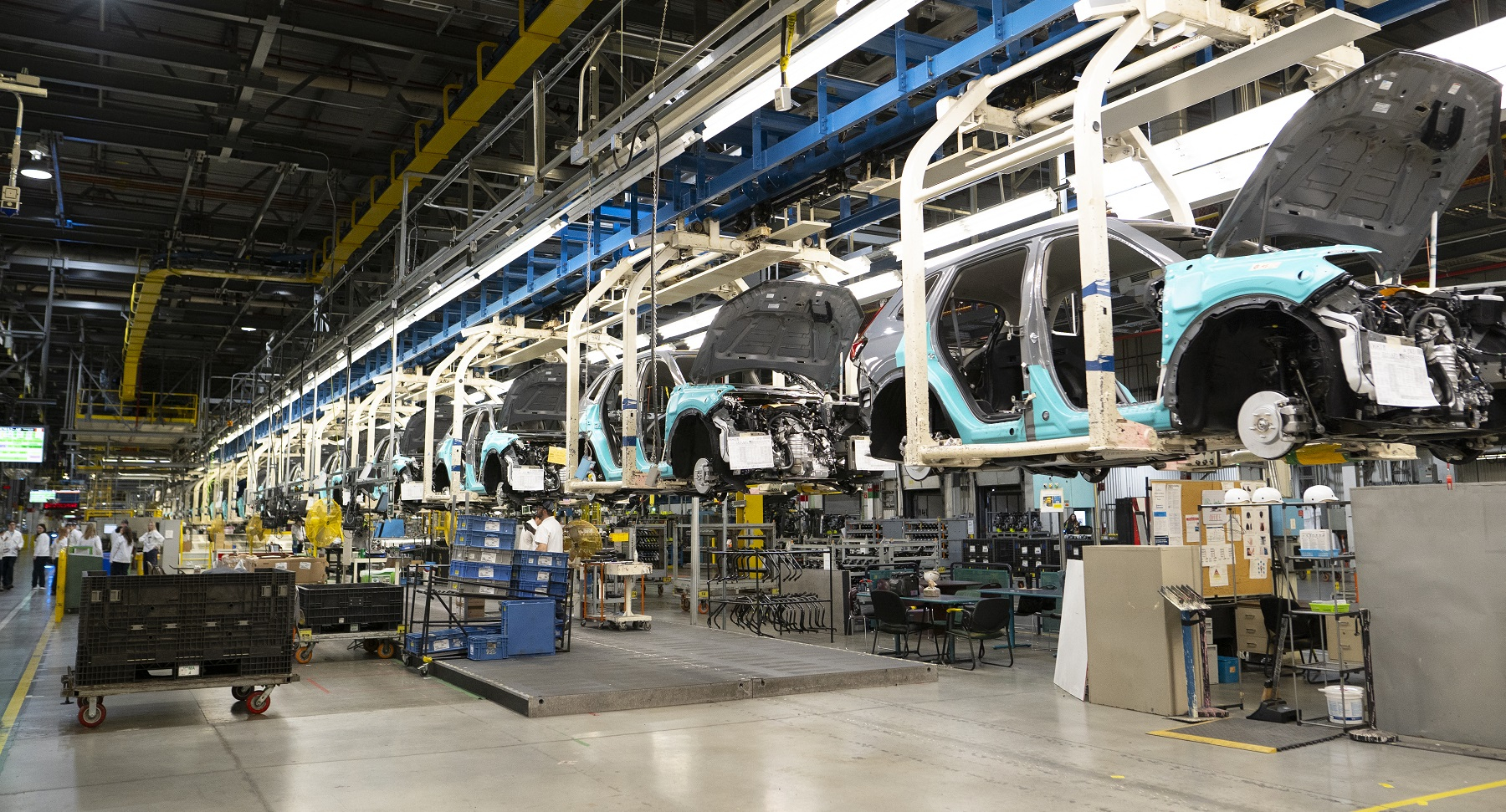
The escalation threatens to disrupt one of the world's most integrated auto supply chains.
US auto production is heavily reliant on Canadian-made parts and vehicles, and higher tariffs could raise costs for American automakers and consumers while deepening a trade standoff that has already weighed on auto stocks.
“Build in the US and there are ZERO TARIFFS. Canada will be treated like a State no longer!" Trump wrote in a social media post.
"On Trade, and in other ways, also, they are among the worst Nations in the World to deal with. They feel entitled, and yet, WE DON’T NEED CANADA, THEY NEED US!" Trump said.
Trump wants Canada to come to the table and negotiate in good faith, US Treasury Secretary Scott Bessent told reporters on Monday.
At a press conference in Quebec on Monday, Canadian Prime Minister Mark Carney said a "mutually beneficial deal" with the US was possible, but only if Americans respect Canada's sovereignty.
"When the Americans go to the negotiating table first with the right attitude toward our industry and a true partnership, of course we'll come to the negotiating table," Carney said at a briefing announcing an investment in six new Canadian icebreaker ships.
Auto stocks fell on the news. Shares of Ford and Stellantis were down 3.6 percent and 4.2 percent, respectively, while shares of General Motors were down 1.6 percent on Monday afternoon.
Toyota stock was down 1.5 percent in New York trading and Honda shares were down 2.1 percent.
Canada has consistently been one of the top two US trading partners and last year, US goods and services trade with Canada totalled US$872.3 billion, down 4.6 percent.
Canada exported about three-quarters of its goods to the US and imported almost half of its goods from the US, the US Trade Representative's Office said.
Flavio Volpe, president of Canada's Automotive Parts Manufacturers' Association, said: "A threatened US tariff on Canadian auto parts will be paid by (the) US auto assembly. Without those specific parts, auto assembly throughout the US would halt."
Canada will impose tariffs on some U.S. goods starting September 8 in retaliation for 50 percent levies ordered by Trump on US$20 billion in Canadian products.
"You're at war when you get attacked. We got attacked," Carney said on Saturday when asked whether Canada was engaged in a trade war.
Three in four Canadians approved of Carney’s decision to walk away from trade negotiations with the United States late on Friday night, according to an opinion poll by the Angus Reid Institute on Sunday.
Many automakers have announced or are considering plans to scale back Canadian auto production and the trade standoff has led to a 22 percent reduction in Canadian imports of US vehicles, according to the White House.
Auto executives, speaking to Reuters on condition of anonymity, raised scepticism about Trump's threat, noting that he has previously announced tariffs that were later scaled back or delayed.
They also noted that January was months after the upcoming US midterm elections in November, and that Trump's threat could be aimed at restarting talks. (Reuters)
_____________________________
Last updated: 2026-08-25 HKT 08:07
Edited by Cecil Wong
Trump threatens to double tariffs on Canada autos
2026-08-24 HKT 22:57
Share this story


Jamie Clarke reports

