


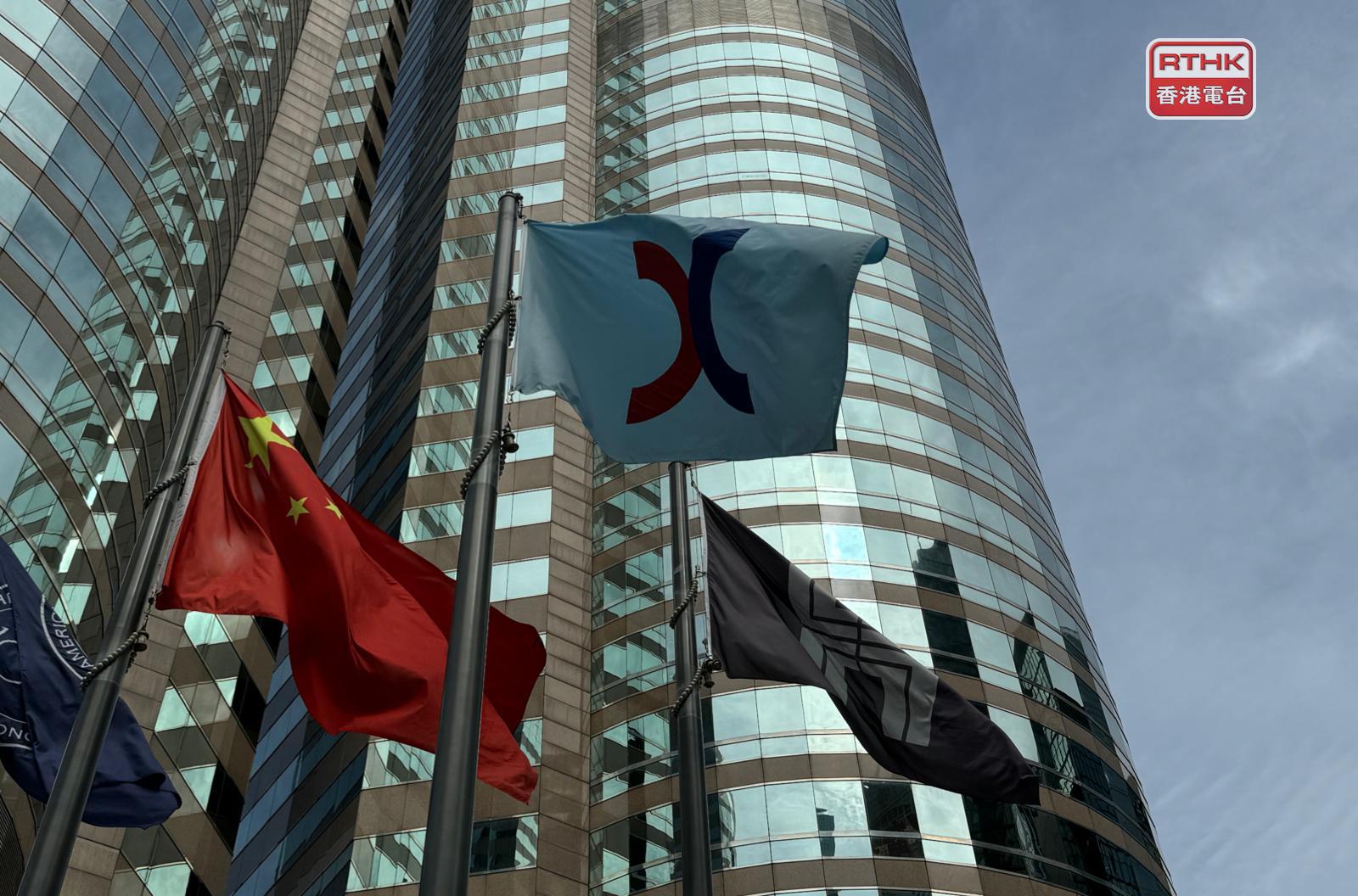
Asian stocks fluctuated on Tuesday as investors assess a US plan for the "economic asphyxiation" of Iran, while tech firms struggled following another down day on Wall Street and ahead of earnings from chip titan Nvidia.
In Hong Kong, the benchmark Hang Seng Index opened up 116 points, or 0.46 percent, at 25,634 before reversing direction to be 50 points, or 0.2 percent, down at 25,466 at one stage in early trading.
The China enterprises index opened 29 points or 0.34 percent, higher at 8,500 while the tech index rose eight points, or 0.18 percent, to 4,602, but both indices too soon fell into loss territory in early trading.
Up north, the benchmark Shanghai Composite Index opened down 0.48 percent at 3,863.
The Shenzhen Component Index was 0.8 percent lower at 13,683 while the ChiNext Index was 0.84 percent down at 3,403.
In Tokyo, the Nikkei opened down 333 points, or 0.5 percent, at 65,195 before reclaiming ground to be 58 points, or 0.089 percent, up at 65,586 at one stage before noon as chip-related stocks tracked declines in their US peers on caution ahead of Nvidia's earnings.
In Seoul, the Kospi was 126 points, or 1.89 percent, lower at 6,570 after opening down 161 points, or 2.4 percent, at 6,535.
The losses came after Treasury Secretary Scott Bessent said the White House was declaring an "economic D-Day" on Iran and threatened to hit countries that trade with it six months into a war that the United States started.
The threat comes with talks to reopen the Strait of Hormuz stalled and neither side showing any sign of backing down, pushing oil prices up for most of August, which has in turn fanned long-term inflation fears and put pressure on bond markets.
"Around the globe, our objective is to sever every economic lifeline that sustains this tyrannical regime until Tehran stands alone," Bessent said on Monday.
"We are going to hold everyone accountable, and this is economic asphyxiation of this regime," he said, adding that countries not joining US sanctions would "share" in Iran's isolation.
The tepid performance in regional markets also comes ahead of much-anticipated earnings from Nvidia, which has become something of a bellwether for the AI boom.
With vast sums lavished on artificial intelligence investment over the past two years, markets are growing increasingly nervous about whether firms can deliver results to match.
And analysts have warned that even forecast-beating figures can sometimes not be enough.
Charu Chanana at Saxo Markets said: "Investors are not simply asking whether Nvidia can deliver another strong quarter. They are asking whether it can deliver enough upside to justify already-high expectations, especially with bond yields elevated."
Eyes will also be on other tech names' releases, including Salesforce and Marvell. (Agencies)
Edited by Tony Sabine
HK stocks slip as US goes for Iran's economic jugular
2026-08-25 HKT 11:25
Share this story


